Views: 0 Author: Site Editor Publish Time: 2026-06-15 Origin: Site


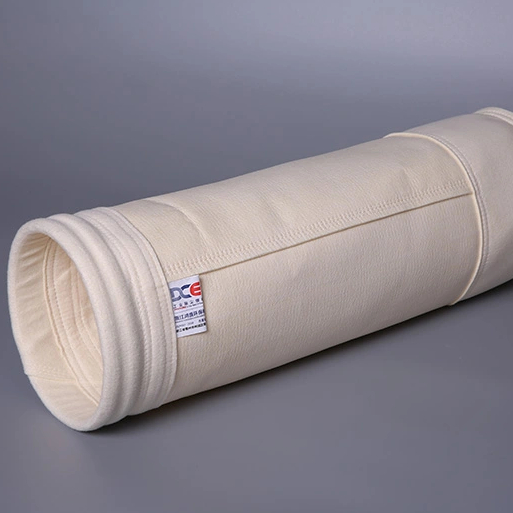
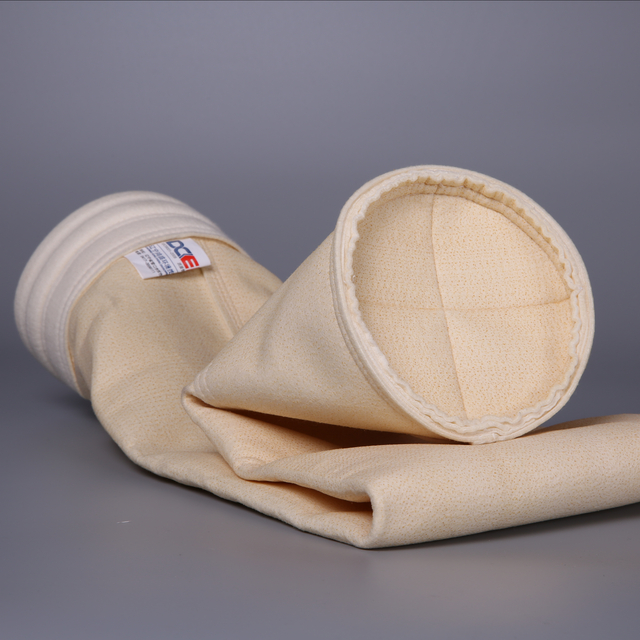
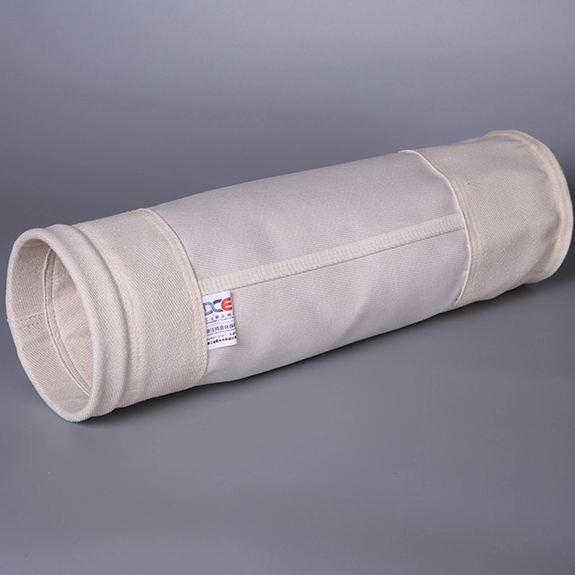
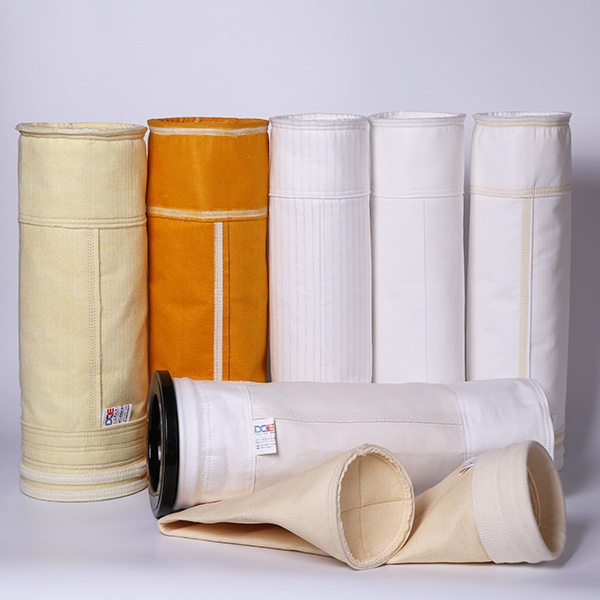
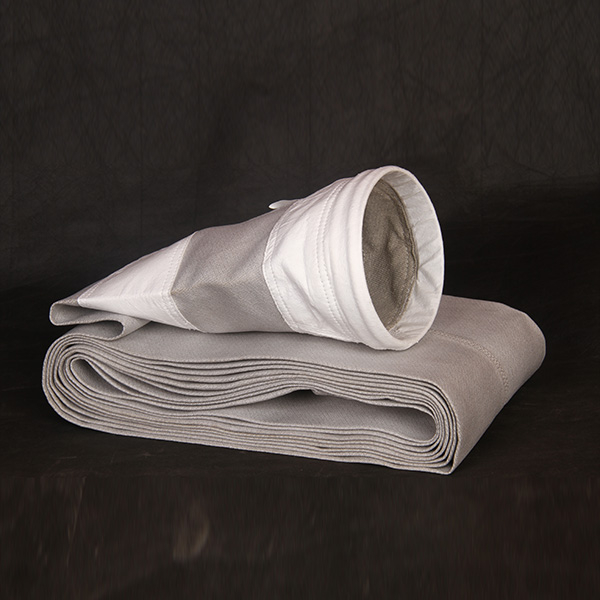
Polytetrafluoroethylene (PTFE) stands out as a highly specialized, premium filtration material. You rarely see it deployed as the default choice for standard dust collection due to its high cost. Procurement managers and plant engineers typically reserve it for the most demanding applications. Extreme operational environments require equally extreme engineering solutions.
Choosing to upgrade your filtration media requires careful analysis. High temperatures, aggressive chemical streams, and strict sub-micron emission mandates frequently overwhelm baseline filtration materials. When baseline fabrics fail, operations suffer massive downtime. You face severe regulatory penalties and constant maintenance headaches. Plant engineers need an objective, criteria-based framework to evaluate these material upgrades.
We will explore the critical indicators showing when standard media fails your facility. You will learn how to evaluate high-performance materials systematically. Ultimately, this guide helps you determine if specifying a PTFE Filter Bag justifies the upfront capital expenditure compared to traditional options like polyester or fiberglass.
Temperature Thresholds: PTFE is mandatory for continuous operating temperatures up to 260°C (500°F) where other polymers fail.
Chemical Superiority: It offers near-universal resistance to severe acid and alkali degradation.
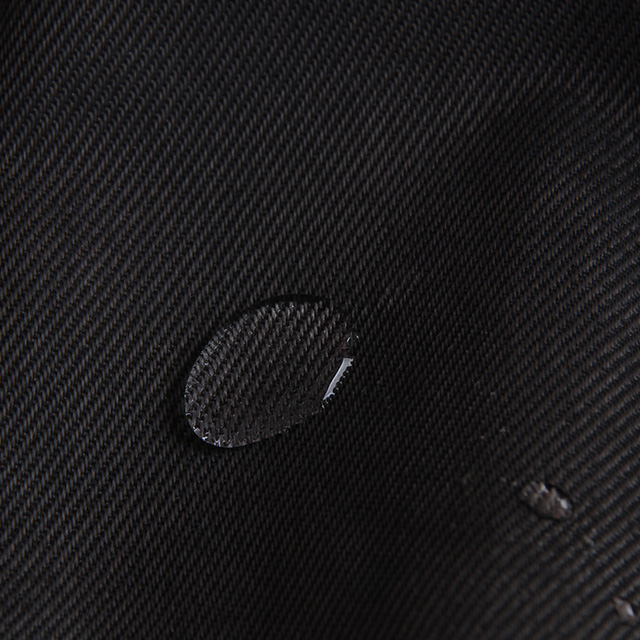
Moisture Defense: The inherent hydrophobicity of PTFE prevents blinding in high-humidity or sticky-dust applications.
Membrane vs. Finish: Differentiating between a surface-laminated ePTFE membrane and a standard PTFE chemical bath is critical for controlling pressure drop and emissions.
Assess your historical maintenance data thoroughly. Baseline materials prove insufficient if your current bags degrade prematurely. Polyester or aramid fibers frequently break down in under 12 to 18 months in harsh environments. Acid gas attacks and hydrolysis destroy these standard polymers rapidly. You must analyze the physical condition of removed bags. Brittle fibers, large tears, or dissolving fabrics indicate severe chemical degradation. A stronger polymer becomes absolutely necessary when standard media constantly breaks down.
Consider these common warning signs of premature failure:
Bags tearing near the bottom cap during routine operation.
Fabric feeling excessively stiff or "baked" after short runs.
Visible chemical discoloration across the media body.
Frequent cage wire imprints cutting into the weakened fabric.
Analyze your differential pressure (dP) spikes. Sudden or sustained pressure increases point directly to blinding issues. Hygroscopic dust actively absorbs moisture from the exhaust gas stream. This moisture causes dust particles to agglomerate. They form sticky, heavy cakes directly on the fabric surface. These tough cakes refuse to dislodge during normal cleaning cycles.
This situation forces your system into frequent, aggressive pulse-cleaning. Constant pulsing accelerates mechanical wear drastically. It wears out diaphragms and stretches the fabric beyond its limits. Production must slow down or stop entirely when the system cannot breathe. Recognizing this bottleneck helps you identify the need for specialized surface treatments.
Frame the compliance risk clearly. Regulators constantly monitor industrial emissions. Depth-filtration media naturally allows some fine particles to bleed through the fabric matrix. Standard materials often fail to capture sub-micron particulate effectively.
Identify if your facility is missing PM2.5 emission targets. Bleed-through causes visible stack plumes and triggers automated opacity alarms. Failing an environmental audit brings massive fines. It can even force a complete facility shutdown. Upgrading your filtration media becomes a mandatory compliance measure rather than a simple maintenance choice under these conditions.
We must look transparently at the financial reality. A premium PTFE Filter Bag costs significantly more than standard polyester. This initial price difference shocks many procurement teams. However, thermal limits rapidly dictate your material selection. Polyester reaches its maximum operational limit around 135°C (275°F). Operating above this temperature melts or burns standard polymers instantly.
Conversely, premium fluoropolymers handle extreme heat effortlessly. They maintain structural integrity at continuous operating temperatures up to 260°C (500°F). Facilities like smelting plants or heavy chemical incinerators cannot survive using standard polyester. The heat quickly reduces cheaper bags to ash.
Contrast universal inertness against vulnerable baseline materials. High-performance fluoropolymers resist almost all severe acid and alkali attacks. They remain completely stable in highly corrosive gas streams. Other high-temperature options possess severe chemical weaknesses.
Fiberglass handles high heat but remains highly vulnerable to fluorides and strong alkalis. These chemicals shatter glass filaments quickly. Aramid (Nomex) operates well in dry heat but fails disastrously under high moisture. Hydrolysis and acid attacks destroy Aramid fibers in weeks. You must understand the exact chemical makeup of your exhaust gas to prevent catastrophic material failure.
Maintain a skeptical, practical mindset during procurement. Do not specify extreme polymers for ambient-temperature applications. Dry, room-temperature nuisance dust rarely requires premium fabrics. Standard woodworking shops or basic cement handling facilities present mild environments.
Polyester or standard acrylic proves economically superior here. These standard materials capture large dust particles efficiently without massive capital expenditure. Installing premium chemical-resistant bags in a simple sawdust collector wastes significant budget. Always match the fabric capability directly to your exact environmental hazards.
Material Performance Comparison Table | ||||
Material Type | Max Continuous Temp | Acid Resistance | Alkali Resistance | Hydrolysis Resistance |
|---|---|---|---|---|
Polyester | 135°C (275°F) | Fair | Poor | Poor |
Fiberglass | 260°C (500°F) | Good | Poor | Excellent |
Aramid (Nomex) | 204°C (400°F) | Poor | Good | Poor |
PTFE | 260°C (500°F) | Excellent | Excellent | Excellent |
Define a finish simply as a chemical bath treatment. Manufacturers immerse base fibers like polyester, aramid, or fiberglass into a liquid fluoropolymer solution. They then cure the fabric in large ovens. This chemical coating coats the individual fibers.
A finish slightly improves dust cake release during pulse cleaning. It also provides a mild shield against corrosive gases. However, you must remember a crucial limitation. A finish does not change the fundamental depth-filtration mechanism. Dust particles still penetrate deep into the fabric matrix over time. Eventually, deep-seated dust causes irreversible blinding.
Engineers create expanded PTFE (ePTFE) by stretching the polymer into a micro-porous film. They thermally bond this ultra-thin film to a backing substrate. This architecture fundamentally shifts the filtration mechanics. You move entirely from depth filtration to pure surface filtration.
The microscopic pores allow clean air to pass freely. However, they physically block sub-micron particulate from entering the fabric. Dust collects solely on the slick outer surface. When the cleaning cycle pulses, the entire dust cake shears off effortlessly. Dust physically cannot penetrate or blind the backing material.
You must specify the correct architecture based on exact operational needs. Use a simple chemical finish for budget-constrained upgrades. A finish works well when you simply need slightly better dust release on larger particulates. It represents a modest step up from raw polyester.
Specify an ePTFE membrane for critical sub-micron particulate capture. Membranes prevent deep-seated blinding entirely. They allow your baghouse to run at lower, highly stable pressure drops. Review the comparison chart below to guide your final decision.
Chart: Decision Matrix for Surface Architectures | ||
Requirement | Chemical Finish | ePTFE Membrane |
|---|---|---|
Filtration Mechanism | Depth Filtration | Surface Filtration |
Primary Benefit | Mild chemical protection | Sub-micron capture |
Dust Penetration | Moderate to High | Zero |
Best Use Case | Budget-friendly upgrades | Strict compliance, sticky dust |
Fluoropolymers naturally repel water exceptionally well. We call this inherent property hydrophobicity. High moisture levels routinely destroy baseline fabrics. Boiler condensation or operations crossing the acid dew point create severe operational hazards. The gas stream generates a sticky, highly corrosive mud.
This mud blinds standard materials instantly. You must choose a hydrophobic material to survive these conditions. The slick surface prevents liquid droplets from soaking into the fibers. It represents the only viable choice for managing high-humidity environments without catastrophic blinding.
We must address the physical limits of premium materials honestly. Raw fluoropolymer fibers prove chemically invincible against acids and heat. However, they can be highly sensitive to severe mechanical abrasion. High-velocity, abrasive dust particles wear them down quickly. Constant flexing against metal cages causes structural fatigue.
You ensure long-term structural integrity by understanding fabric blending. Manufacturers often blend premium fibers or use heavy-duty scrims. A woven scrim acts as a tough structural backbone. It absorbs mechanical stress while the outer fibers handle the chemical attack.
Adding a micro-porous membrane alters system airflow dynamics favorably. The ultra-smooth surface creates significantly lower airflow resistance compared to thick depth-media. You can frequently run higher Air-to-Cloth (A/C) ratios safely.
Running higher A/C ratios effectively increases your overall baghouse capacity. The exhaust fan works less aggressively to pull air through the clean membrane. This enhanced flow potential allows facilities to increase production throughput without building larger, more expensive dust collector housings.
Mechanical risks destroy premium materials much faster than chemical attacks. Installing a premium PTFE Filter Bag on rusted, pitted cages guarantees rapid failure. The delicate micro-porous membrane demands smooth, well-fitting support structures.
Rough cages act like industrial sandpaper. They shred the inner lining and the outer membrane during every pulse-jet cleaning cycle. You must inspect your cages carefully before installing new bags. Replacing bad cages protects your substantial media investment.
Surface-filtration requires an entirely different approach to pulse cleaning. Standard depth-filtration bags need high-pressure air blasts to dislodge deep-seated dust. Conversely, surface membranes release dust incredibly easily.
Blasting a membrane with standard high-PSI air damages the structure permanently. It stretches the film and causes microscopic tears. You must reduce pulse-cleaning pressures significantly. Lower pressure cleans the fabric effectively, reduces compressed air consumption, and dramatically increases bag lifespan.
Facility managers must acknowledge installation fragility aggressively. Technicians easily scratch or puncture delicate membranes during careless loading. Sharp fingernails, dropped tools, or dragging bags across metal grating ruins the surface integrity instantly. A single pinhole leak causes immediate emission failures.
Implement these strict installation best practices:
Require all technicians to wear clean, soft cotton gloves.
Never drag replacement materials across the ground or steel grating.
Use protective sleeves when lowering media into the tubesheet.
Inspect all tools to ensure no sharp edges touch the fabric.
Train maintenance staff on the specific fragility of surface membranes.
We built a clear decision framework for upgrading your filtration media. You should choose extreme polymers only when heat, severe chemistry, or high moisture makes cheaper alternatives mathematically unviable. Constant downtime, high replacement labor, and regulatory fines quickly outweigh the upfront capital costs of premium media.
Remember that specifying premium materials is never a magic fix for a broken system. A poorly designed dust collector destroys even the best fabric. You must align your mechanical factors carefully with your material upgrade. Fix broken cleaning mechanisms, replace rusted cages, and lower your pulse pressure settings.
Take proactive action immediately. Audit your current baghouse temperature logs. Analyze your gas stream chemistry and differential pressure trends thoroughly. Review these critical system metrics before you request a high-performance material quote. Accurate data ensures you specify the exact architecture needed for lasting compliance.
A: It depends entirely on the application. In aggressive chemical or high-heat environments, polyester fails in weeks, while advanced fluoropolymers last three or more years. In ambient air, both may last three to five years, making the premium material a poor investment.
A: Yes, manufacturers successfully laminate ePTFE membranes to polyester, aramid, fiberglass, or woven fluoropolymer substrates. This flexibility allows you to optimize material costs based strictly on your specific temperature requirements.
A: Typically, yes. Surface membranes require higher wire counts, often needing 20 or more vertical wires. This dense cage structure provides adequate support. It prevents excessive flexing and stretching of the delicate membrane during aggressive pulse cleaning.
A: Usually it does. Because the membrane relies purely on surface filtration, dust never penetrates the fabric depth. However, if your high pressure drop stems from insufficient system exhaust or broken cleaning mechanisms, new material will not fix the underlying mechanical flaw.