Views: 0 Author: Site Editor Publish Time: 2026-05-22 Origin: Site


Industrial air filtration presents harsh realities for plant operators. When exhaust gas temperatures exceed 400°F, standard polyester simply fails. You face immediate filter collapse if you use the wrong materials. This failure risks major compliance violations and forces unexpected operational shutdowns. Advanced material selection becomes a critical necessity for your facility. We often see plant engineers turn to a legacy standard for extreme heat environments: glass fiber. It stands as a highly capable solution across heavy industries. However, you must fully understand its specific mechanical requirements. It is not a basic, drop-in fabric. This article provides plant engineers and procurement teams an objective, hype-free evaluation of this media. We will examine strict operational rules, chemical boundaries, and cage support needs. You will learn exactly when to deploy this material and when to avoid it entirely to protect your system.
Extreme Heat Tolerance: Sustains continuous operations at 500°F (260°C) with momentary surges up to 550°F (287°C), accompanied by near-zero thermal shrinkage.
Mechanical Vulnerability: Extremely susceptible to flex abrasion and brittleness; requires rigid structural support (e.g., 20-wire cages) and careful handling.
Chemical Boundaries: Excellent resistance to oxidation and moist heat, but strictly prohibited in environments containing hydrofluoric acid, chlorides, or cyanides.
Performance Upgrades: Surface treatments (ePTFE membranes, Teflon B, Silicone/Graphite) are practically mandatory to mitigate fiber-to-fiber friction and prevent premature failure.
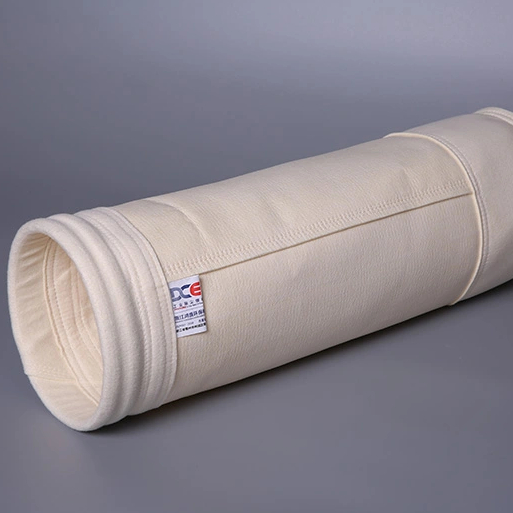
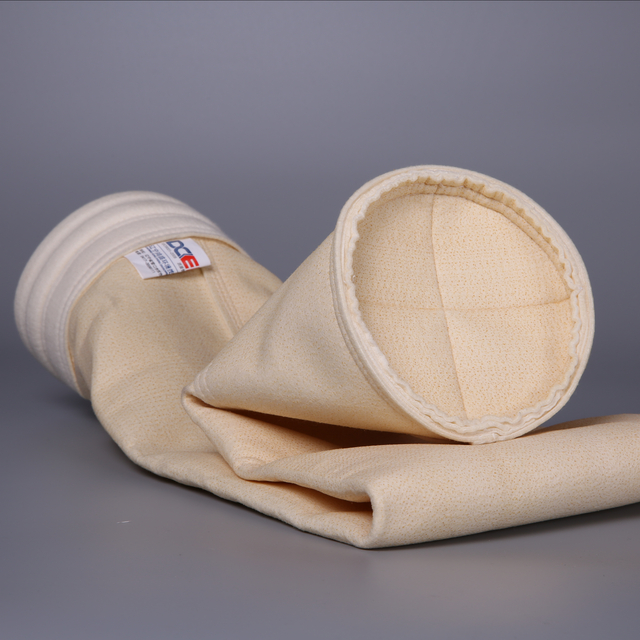
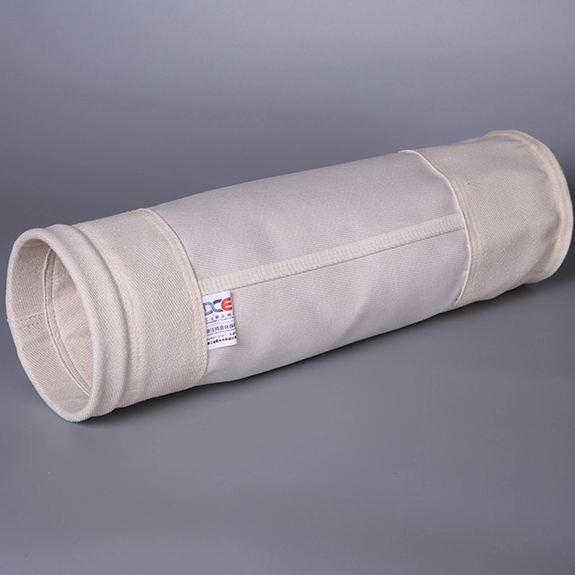
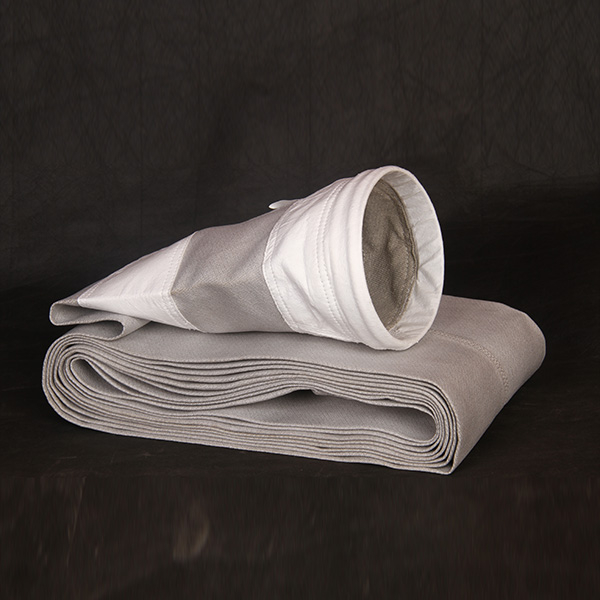
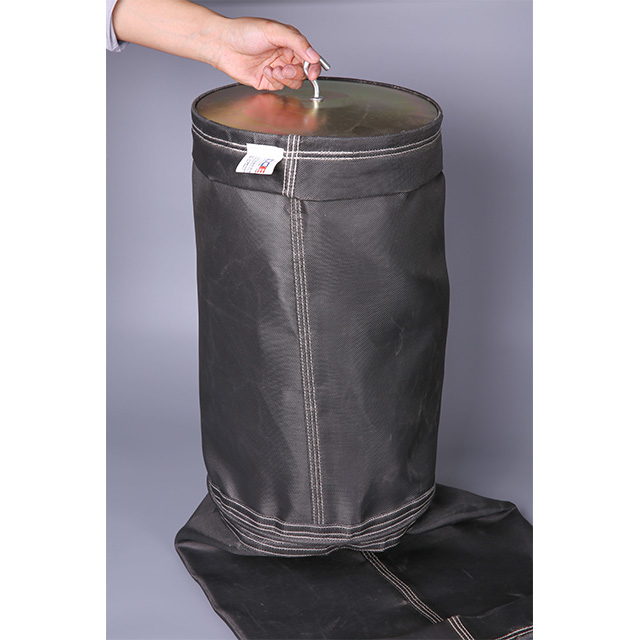
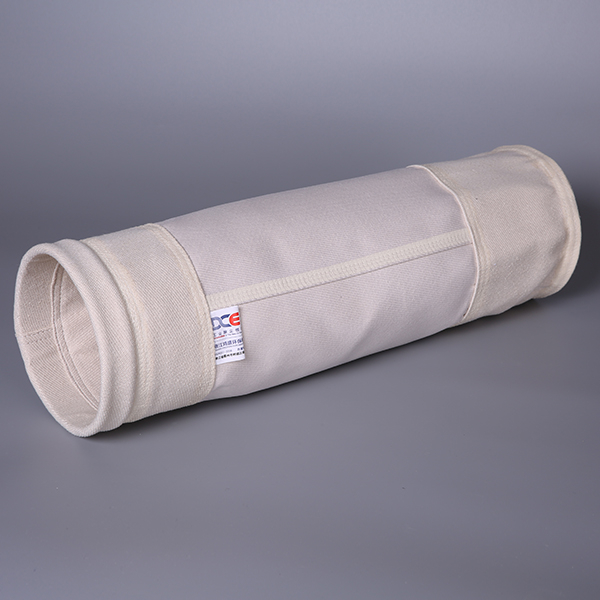
Engineers consistently choose the fiberglass filter bag for its undisputed thermal dominance. You can run these filters continuously at 500°F (260°C). They easily handle momentary temperature spikes up to 550°F (287°C). Beyond just surviving the heat, they offer superior dimensional stability. At these extreme temperatures, glass fibers exhibit near-zero shrinkage. They maintain their exact shape. This prevents the fabric from pulling away from the tubesheet or tearing under thermal stress.
Manufacturers produce these filters in two primary structural forms to match different cleaning mechanisms:
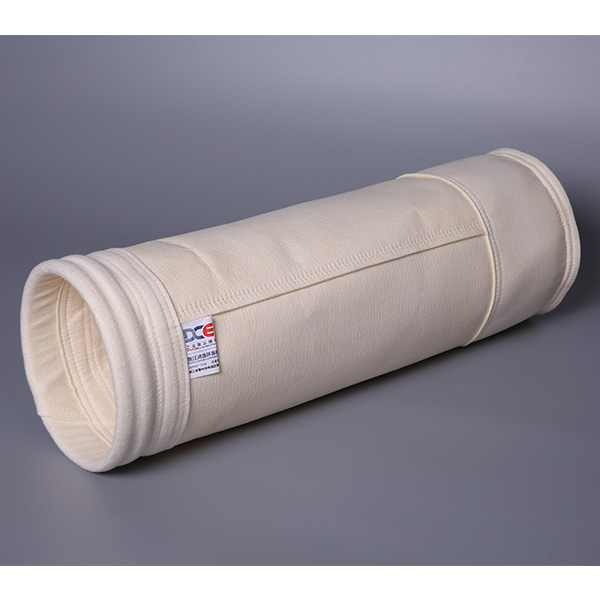
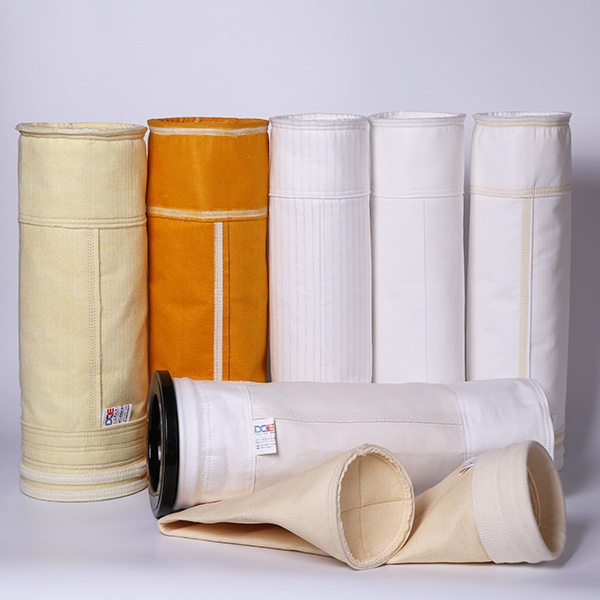
Woven Fiberglass: This format features yarn woven into a tight, structured pattern. It provides ultimate tensile strength. We highly recommend woven construction for older reverse-air and shaker systems. The structural rigidity resists the gentle swaying motions of these older units.
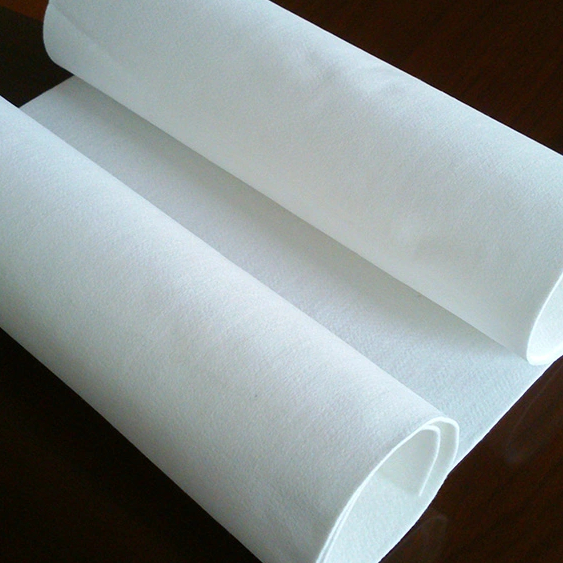
Non-Woven (Needle Felt): This variant uses interlocking fibers to create a thick felt. It provides much higher porosity and dust-holding capacity. Modern facilities prefer felted glass for pulse-jet systems. However, suppliers must use specialized fiber blending techniques. Standard felt cannot survive the aggressive shockwaves of pulse cleaning.
When you evaluate North American industry standards, two specifications dominate the market. You will almost always encounter 16.8 oz/yd² and 22 oz/yd² material weights. The 22 oz/yd² fabric serves as the heavy-duty standard for abrasive industrial applications. It offers maximum protection against internal cage wear.
Best Practice: Always verify your material weight. Specifying 16.8 oz/yd² when your application demands 22 oz/yd² will cut your operational lifespan in half.
Material selection for high temp dust collection requires a balanced look at pros and cons. You must weigh the exceptional thermal capabilities against severe mechanical frailties.
First, glass fibers are entirely non-combustible. They provide inherent spark resistance. This makes them ideal for metallurgical and cement applications where glowing embers occasionally reach the collector. Second, they exhibit exceptionally low moisture absorption. They will not swell or blind over in highly humid exhaust streams. Finally, they remain highly cost-effective. Compared to high-end synthetic polymers, glass provides the cheapest path to 500°F continuous filtration.
Despite the benefits, you must manage several distinct operational disadvantages. Glass fibers possess terrible wrinkle resistance. They suffer from rapid flex fatigue. Every time the fabric bends, tiny glass filaments grind against each other and snap. Additionally, they present a higher running resistance. The baseline pressure drop typically runs higher than some synthetic alternatives. You need stronger fans to pull air through the system.
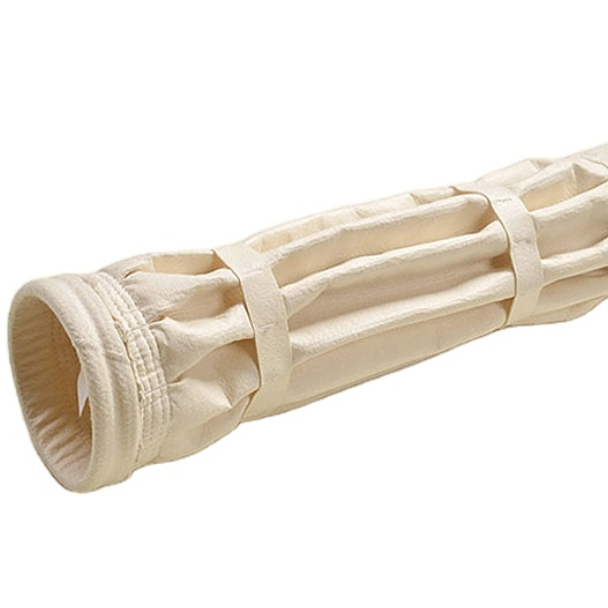
Common Mistake: Mishandling during installation ruins more glass bags than actual operation. Installers often fold them aggressively, step on them, or shove them forcefully into tubesheet holes. These actions cause microscopic fractures. Glass fibers also pose respiratory and dermal risks. Your maintenance crew must wear proper PPE during installation to avoid skin irritation.

You cannot ignore the chemical composition of your gas stream. Glass fibers survive intense heat, but specific chemicals dissolve them rapidly. We must establish clear boundaries for safe operation.
Glass performs exceptionally well in heavily oxidized environments. It completely ignores high humidity levels. It also handles moderate chemical exposure well. General industrial acids rarely degrade the structural integrity of the fibers. If your process emits dry, non-reactive dust alongside high heat, this material will excel.
You must absolutely avoid certain chemical environments. Do not install these filters if your process meets the following conditions:
Hydrofluoric Acid (HF): You must explicitly avoid HF. This acid actively dissolves silica. It will eat through the glass fibers in a matter of days.
High-Alkali Streams: Strong alkalis weaken the molecular structure of the glass, causing premature embrittlement.
Chlorides, Bromides, and Cyanides: Exhausts heavily laden with these salts will chemically attack the glass matrix.
Hygroscopic and Sticky Dust: Untreated glass creates a rough surface. Sticky, oily, or highly moisture-absorbent dust will permanently embed into the fibers. You must avoid these applications unless you use an ePTFE membrane.
Chemical Agent | Compatibility Rating | Operational Impact |
|---|---|---|
Oxidation | Excellent | No degradation; maintains full tensile strength. |
Moisture / High Humidity | Excellent | Does not absorb moisture; resists swelling. |
General Mineral Acids | Good to Fair | Acceptable for most standard acidic flue gases. |
Strong Alkalis | Poor | Causes rapid embrittlement and fiber breakage. |
Hydrofluoric Acid (HF) | Strictly Prohibited | Actively dissolves the glass fibers. Complete failure. |
You cannot deploy raw glass fibers successfully. The inherent brittleness demands rigorous structural engineering and advanced surface chemistry to survive daily operation.
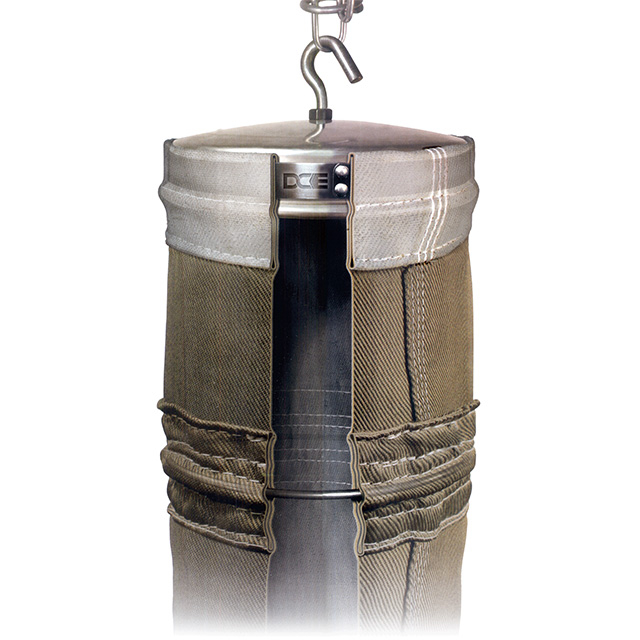
Standard cages fail fiberglass completely. A typical 10-wire or 12-wire cage leaves too much empty space between the vertical wires. When the cleaning pulse hits, the fabric bulges outward. When the pulse ends, the fabric snaps back aggressively against the wires. This sharp bending motion snaps the glass yarns immediately. You absolutely need rigid structural support. We require high-density 20-wire cages for these installations. The tight wire spacing limits the fabric's movement, preventing excessive flexing during cleaning cycles.
Why are surface treatments worth the upgrade? Because untreated glass destroys itself. The fibers act like microscopic saw blades rubbing together. You must lubricate them.
Teflon B Finish: This liquid finish coats individual glass yarns. It fundamentally reduces fiber-to-fiber friction. It stops the fabric from wearing itself out internally during flexing.
Silicone & Graphite Blends: This combination adds essential lubricity to the outer surface. It extends the wear life by preventing abrasion between the fabric and the metal cage.
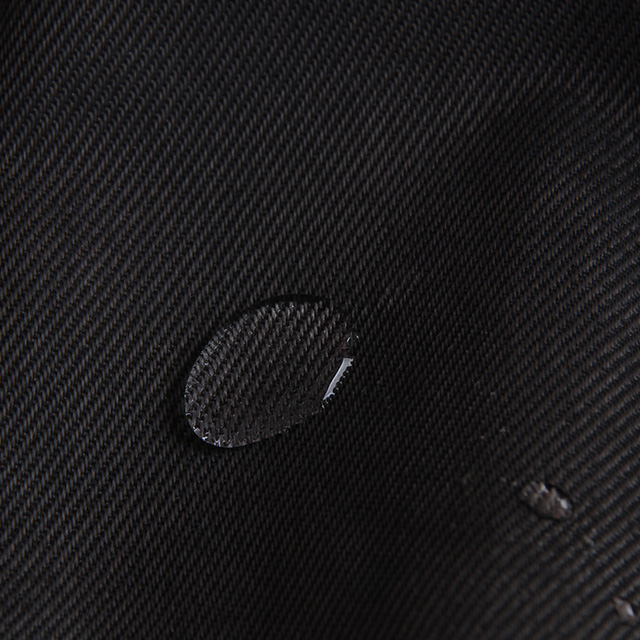
ePTFE Membrane: This represents the ultimate upgrade. It shifts the process to pure "surface filtration." The microporous membrane acts as an impenetrable barrier. The filter cake forms purely on the outside. Dust cannot penetrate the fabric. This protects the fragile glass fibers from chemical intrusion and particulate abrasion entirely.
When engineering a fiberglass baghouse, you must compare your options. Buyers often weigh glass against premium synthetic polymers like Aramid and PPS. The decision depends entirely on your specific chemical and mechanical stressors.
High-Temperature Material Decision Matrix Chart | |||
Material | Max Continuous Temp | Mechanical Strength | Best Application Environment |
|---|---|---|---|
Fiberglass | 500°F (260°C) | Low (Very Brittle) | Extreme heat, low mechanical vibration, heavy oxidation. |
Aramid (Nomex®) | 400°F (204°C) | High (Excellent Flex) | Dynamic environments, high vibration, heavy abrasion. |
PPS (Ryton®) | 375°F (190°C) | Medium (Good Flex) | High sulfur, high alkali, heavy acid gas concentrations. |
You should choose Aramid when temperatures sit slightly lower (up to 400°F), but the mechanical environment proves dynamic. If your collector suffers from high vibration or demands frequent, high-pressure pulse cleaning, glass will snap. Aramid provides massive abrasion resistance. It easily survives aggressive mechanical conditions where glass fails.
You should choose PPS when your environment features high alkalinity or intense acid gas concentrations. Coal-fired boilers often generate heavy sulfur dioxide loads. Under moderate high temperatures (up to 375°F), these sulfur compounds exceed the chemical limits of glass. PPS ignores sulfur and alkalis completely.
Glass wins purely on its cost-to-maximum-temperature ratio. If your system runs at 450°F+ and operates gently without harsh chemical salts, nothing beats the raw thermal endurance of glass.
Procuring and installing these filters requires specific engineering oversight. You cannot guess the sizing or skip startup procedures.
You must precoat your bags before initiating normal operations. Precoating involves injecting a neutral, porous powder (like agricultural lime) into the clean system. This establishes an initial protective filter cake on the fabric surface. If you skip this step, sticky or fine industrial dust will penetrate deep into the raw glass fibers. Immediate blinding will occur, permanently ruining the permeability of your new filters.
Air-to-Cloth (A/C) ratio dictates the survival of this material. The basic variable calculation is simple: Total Airflow Volume divided by the Air-to-Cloth Ratio equals your Required Filtration Area. Synthetic bags often survive high A/C ratios like 4:1 or 5:1. Glass cannot. High interstitial velocities force dust deep into the material and cause aggressive fabric flapping. You must size your collector conservatively, typically aiming for an A/C ratio closer to 2.5:1 or 3:1. High velocities drastically shorten lifespan.
Do not accept unverified materials. We strongly advise buyers to request ASTM standard testing documentation from their suppliers. Ask for the Mullen burst test results (ASTM D3786) and permeability ratings (ASTM D737). This documentation verifies you are receiving 100% virgin fiber quality, not recycled or chemically degraded off-cuts.
Fiberglass is not a "plug-and-play" material. You cannot treat it like standard polyester. It is a highly specialized, heat-resistant tool. It demands strict adherence to structural support requirements, specifically 20-wire cages. It also demands absolute respect for its chemical limitations, specifically regarding hydrofluoric acid and alkalis. When engineered correctly, it delivers unmatched high-temperature performance.
Your next step requires data gathering. We encourage facility managers to audit their current systems immediately. Check your gas stream chemistry. Log your daily temperature spikes. Inspect your current cage designs. Gather this critical data before you request a quote for replacement media or decide to upgrade to ePTFE-coated variants. Proper upfront engineering guarantees long-term filtration success.
A: They suffer from extreme flex abrasion. Glass yarns are highly brittle. Without protective chemical finishes to lubricate them, fiber-to-fiber friction causes internal self-destruction. Furthermore, if you use standard cages with wide wire spacing, the fabric bends sharply during cleaning cycles, immediately snapping the filaments.
A: Yes, but you cannot use standard woven glass. You must use specialized felted blends or materials with heavy ePTFE membranes. You also need to run your pulse pressures much lower than normal and use 20-wire cages to prevent the shockwave from fracturing the material.
A: A finish is a liquid treatment that penetrates the fabric. It coats individual yarns to add lubrication and reduce friction wear. A membrane is a microporous film laminated onto the outside. It sits on top, forces surface filtration, and completely blocks microscopic dust from penetrating the fabric.
A: The material reliably handles 500°F (260°C) continuously. It endures brief momentary surges up to 550°F (287°C). However, exceeding 550°F destroys the protective silicone, graphite, or Teflon finishes first. Once the lubricants burn off, the brittle glass quickly grinds itself to dust.