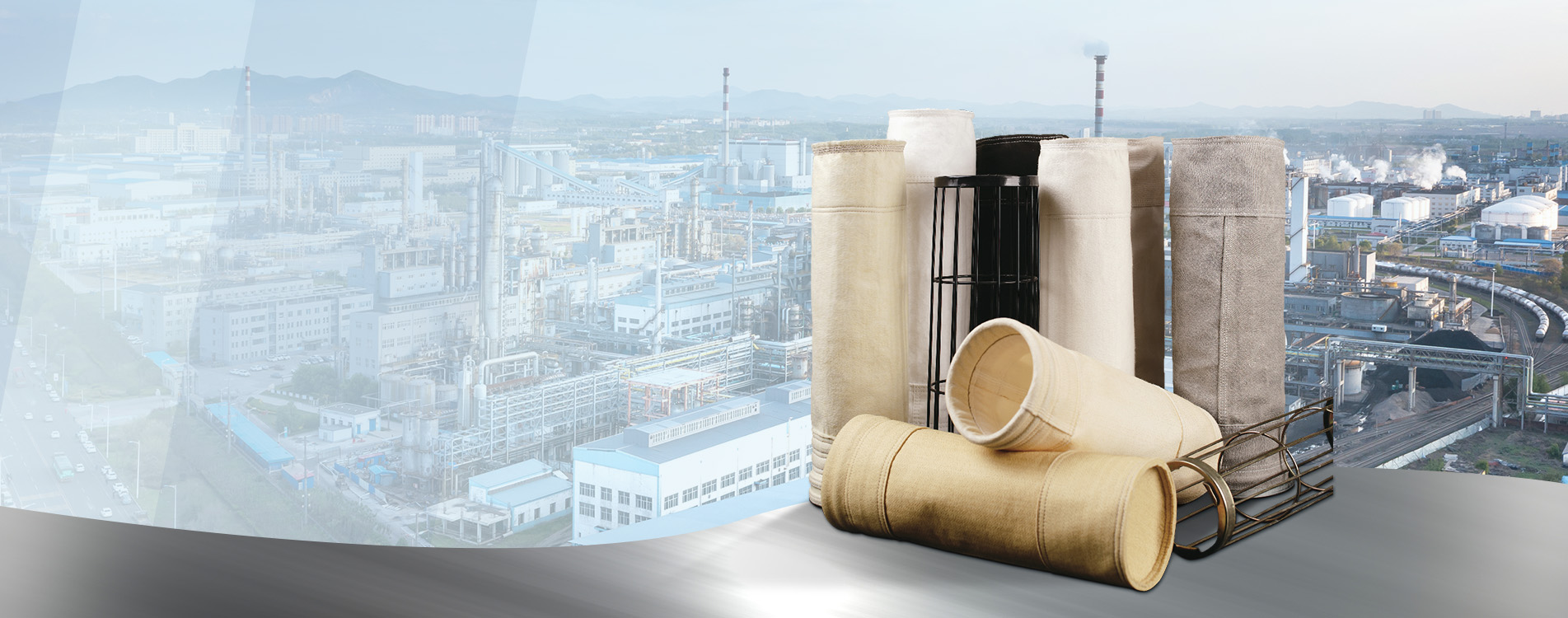





PTFE (Polytetrafluoroethylene) needle felt is widely used in industrial filtration due to its unique properties. One of the most significant advantages of PTFE needle felt is its low friction surface. This low friction plays a crucial role in enhancing filtration performance, ensuring that the material functions efficiently while requiring minimal maintenance.
PTFE (polytetrafluoroethylene), commonly known as Teflon, is a highly durable and chemically resistant material, widely used in industrial filtration systems. PTFE needle felt is made entirely from PTFE fibers, offering exceptional resistance to high temperatures, chemicals, and abrasion, making it ideal for extreme industrial applications like cement plants, steel mills, and chemical processing.
PTFE (Teflon) needle felt is a high-performance filtration material made from polytetrafluoroethylene (PTFE) fibers, known for its exceptional durability and resistance to high temperatures and chemicals. This material is primarily used in industrial filtration systems, particularly in environments where extreme conditions, such as high heat, high dust loads, and exposure to aggressive chemicals, are common.
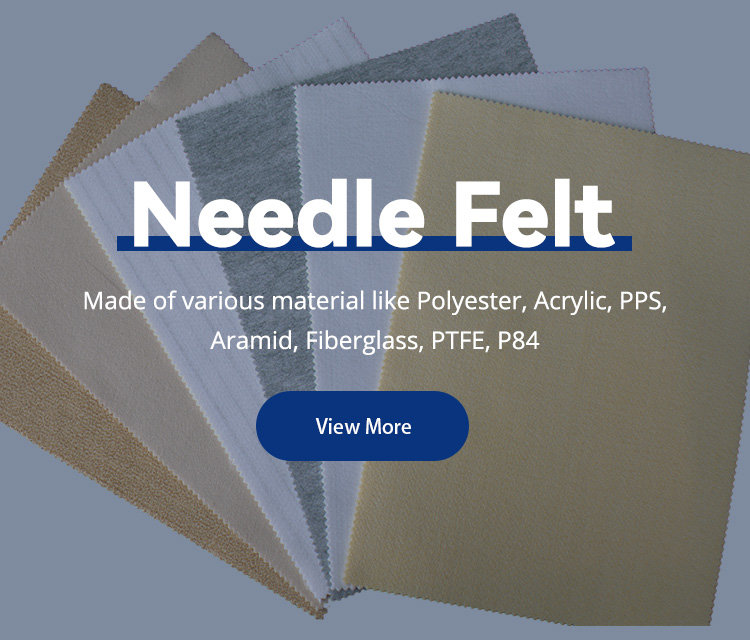
Polyester needle felt is a type of nonwoven fabric made from high-strength polyester fibers that are mechanically bonded together through a needle-punching process. This results in a durable and stable material with a three-dimensional structure, making it ideal for filtration applications.
When selecting filter media, understanding its temperature tolerance is crucial. Polyester needle felt typically withstands 130–135°C continuously and can endure 149–150°C for short-term exposure. These temperature limits are vital for ensuring the filter’s longevity and performance.