Views: 0 Author: Site Editor Publish Time: 2026-01-20 Origin: Site


In industrial filtration systems, reverse air filter bags play a vital role in capturing dust and particulate matter from exhaust gases to maintain clean air and ensure environmental compliance. These bags are cleaned using a reverse air flow method, which helps dislodge accumulated dust and keep the filtration system running efficiently. The material of the filter bags is crucial for their performance, as it determines factors such as durability, temperature resistance, chemical stability, and cleaning efficiency. Selecting the right material ensures that the filter bags can withstand the specific demands of the environment, providing reliable filtration while minimizing maintenance costs and downtime.
Reverse air filter bags are made from a variety of materials, each chosen for specific properties that make them suitable for different industrial applications. The material used plays a significant role in determining the performance, durability, and efficiency of the filtration system.
Polyester is one of the most commonly used materials for reverse air filter bags due to its cost-effectiveness and durability. It is resistant to moderate temperatures and can handle a range of dust types, making it ideal for general-purpose filtration in industries where high heat or aggressive chemicals are not a concern. Polyester is particularly effective in light to moderate dust load environments, offering good filtration efficiency and relatively low maintenance requirements.
Fiberglass is known for its excellent ability to withstand high temperatures and handle abrasive dust. It is commonly used in industries such as cement production and power generation, where temperatures can exceed 250°C (482°F). Fiberglass is durable and can endure harsh conditions, but it is not as chemically resistant as some other materials. Its ability to handle high-heat environments makes it the ideal choice for applications involving high-temperature exhaust gases or dust that may cause more wear and tear on other filter materials.
Aramid fibers, such as Nomex, are suitable for high-temperature environments and are highly resistant to abrasive dust. This makes them a popular choice for industries like cement plants, steel mills, and metal processing, where high temperatures and rough, abrasive dust are common. Aramid filter bags offer superior durability in extreme conditions and are effective for prolonged use in environments with constant exposure to heat and friction. They also provide good resistance to tearing and abrasion, making them suitable for heavy-duty applications.
PTFE (Teflon) is used for reverse air filter bags in applications requiring superior chemical resistance and extreme heat tolerance. PTFE filter bags are ideal for industries where corrosive chemicals, high temperatures, and abrasive conditions are present. They can withstand temperatures up to 260°C (500°F) continuously and handle short bursts of up to 300°C (572°F). Due to its chemical inertness, PTFE is commonly used in chemical processing, pharmaceutical manufacturing, and other industries dealing with aggressive substances. Its non-stick properties also make it easier to clean, further extending its service life.
Each material used for reverse air filter bags offers unique advantages depending on the environmental conditions and the specific filtration needs of the application. The choice of material is crucial for optimizing filtration performance, durability, and cost-effectiveness.
Polyester is a popular material for reverse air filter bags due to its cost-effectiveness and durability. It is ideal for environments with moderate dust loads and lower temperatures. Polyester filter bags are easy to maintain, offering good filtration efficiency for applications where the dust is not highly abrasive or where temperatures do not exceed moderate limits. They are commonly used in industries like food processing, pharmaceuticals, and light manufacturing, where performance requirements are more moderate.
Fiberglass is the best choice for applications with high heat due to its ability to withstand extremely high temperatures. It can handle temperatures up to 250°C (482°F), making it ideal for industries like cement plants and power generation. However, while fiberglass performs well in high-temperature environments, it may be less durable compared to materials like PTFE, especially when exposed to abrasive dust or harsh chemical environments. It is an economical choice for applications where heat resistance is the primary concern but does not face extreme chemical exposure.
Aramid (Nomex) is known for its durability in high-temperature and abrasive environments. It provides moderate chemical resistance and is particularly effective in industries such as cement production, steel mills, and foundries, where exposure to high temperatures and rough, abrasive dust is common. While aramid is not as chemically resistant as PTFE, it excels in environments where heat and abrasion are the primary challenges. It is an excellent choice for demanding applications requiring long-term durability and resistance to physical stress.
PTFE offers exceptional resistance to both heat and chemicals, making it perfect for the most demanding filtration environments. PTFE can withstand continuous temperatures up to 260°C (500°F) and short bursts up to 300°C (572°F), along with superior resistance to abrasive dust and harsh chemicals. This makes PTFE filter bags ideal for industries such as chemical processing, pharmaceuticals, and oil and gas. The material’s non-stick properties also help in cleaning, extending its service life and reducing maintenance costs. PTFE is the best choice when dealing with extreme conditions, ensuring reliable performance even in the harshest environments.
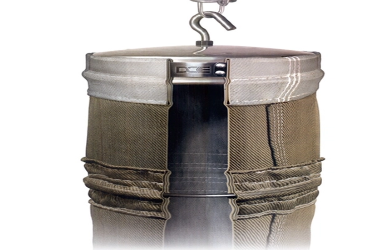
Selecting the right material for reverse air filter bags is crucial for ensuring optimal filtration performance. Key factors to consider include temperature, dust type, and chemical exposure.
Polyester works well for moderate temperatures up to 150°C (302°F), making it ideal for food processing and light manufacturing.
Fiberglass is suitable for higher temperatures, up to 250°C (482°F), commonly used in cement and power generation industries.
Aramid (Nomex) handles high temperatures and abrasive dust, perfect for steel mills and foundries.
PTFE is best for extreme temperatures, up to 260°C (500°F) continuously, used in chemical processing and pharmaceuticals.
Polyester is ideal for moderate dust loads and non-abrasive particles.
Fiberglass excels in abrasive dust environments, such as in cement and metal processing.
Aramid is effective in abrasive dust conditions found in mining and metalworking.
PTFE handles fine and abrasive dust efficiently, with its non-stick properties making it ideal for chemical processing.
Polyester has moderate chemical resistance, suitable for mild exposure.
Fiberglass resists heat but can degrade with strong chemicals, used in power plants.
Aramid provides moderate chemical resistance for mild chemical exposure in high-temperature settings.
PTFE offers superior chemical resistance and is perfect for harsh chemical environments.
Polyester is a popular choice for reverse air filter bags because it is cost-effective, durable, and resistant to moderate temperatures. It is ideal for applications with lower dust loads and lower heat levels, such as in food processing, pharmaceuticals, and light manufacturing. Polyester provides reliable filtration performance and is easy to maintain, making it a practical option for industries that don’t require extreme temperature or chemical resistance.
Fiberglass is the best choice for high-temperature applications where temperatures exceed 250°C (482°F). It is highly resistant to heat and is well-suited for environments such as cement plants, power generation, and industrial furnaces, where high temperatures are prevalent. Additionally, fiberglass is capable of handling abrasive dust found in heavy-duty applications. While it offers excellent heat resistance, it may be less durable compared to other materials like PTFE in chemically aggressive environments.
Aramid fibers, such as Nomex, are commonly used in industries with high temperatures and abrasive dust, such as cement plants, steel mills, foundries, and metal processing. Aramid is known for its durability in extreme conditions, providing excellent resistance to heat and mechanical wear. It is particularly suitable for environments where both abrasive particles and high heat are a concern, ensuring long-lasting filtration efficiency.
PTFE (Teflon) is used in reverse air filter bags for harsh environments due to its superior chemical resistance and exceptional ability to withstand extreme temperatures (up to 260°C/500°F continuously and 300°C/572°F for short bursts). It is ideal for industries that handle highly corrosive substances such as chemical processing, pharmaceutical manufacturing, and oil and gas. PTFE’s non-stick properties also make it perfect for environments dealing with sticky particles or fine particulates, ensuring efficient filtration and reduced maintenance.
The selection of the appropriate material for reverse air filter bags is crucial for achieving optimal filtration performance and ensuring cost-effectiveness in industrial applications. Different materials, such as polyester, fiberglass, aramid, and PTFE, each offer unique advantages depending on factors like temperature, dust type, and chemical exposure. By choosing the right material, industries can ensure efficient filtration, prolong the lifespan of their filter bags, and reduce maintenance costs. Proper material selection also helps maintain compliance with environmental regulations and enhances overall operational efficiency, making it an essential decision for any filtration system.