Views: 0 Author: Site Editor Publish Time: 2026-01-19 Origin: Site


Reverse air filter bags play a crucial role in industrial filtration systems by providing an efficient solution for dust collection and air cleaning. These filter bags are cleaned using reverse airflow, which is a gentler process compared to other cleaning methods like pulse jet. This makes reverse air filter bags especially suitable for environments with moderate dust loads and where maintaining the integrity of the filter bags is important. The cleaning process is cost-effective, reducing the need for frequent maintenance and helping industries maintain optimal filtration performance over time. But when is it ideal to use reverse air filter bags? In this article, we’ll explore the specific conditions and industries where reverse air filter bags are most beneficial, and how they compare to other filter types in various applications.
Reverse air filter bags are a type of filtration media used in industrial dust collection systems, designed to capture particulate matter from the air. They are typically made from woven or felted fabrics such as polyester, fiberglass, or PTFE, and are used in environments where efficient filtration is essential. These bags are installed in a baghouse or filtration unit, and the cleaning process is carried out through a reverse air flow method.
In a reverse air filtration system, air containing dust and particulates passes through the filter bags. As the air flows through the fabric, particles are captured on the surface of the bags, allowing clean air to pass through. Over time, the filter bags accumulate dust, which can reduce filtration efficiency. To maintain optimal performance, the reverse air cleaning method is used.
The reverse air cleaning method involves blowing a high-volume burst of air in the opposite direction of the airflow. This reverse air flow loosens and removes the accumulated dust from the surface of the filter bags. The dislodged dust is then collected in a hopper below the bags. This cleaning process is typically done in stages, with sections of the filter bags being cleaned in rotation to ensure continuous filtration.
Gentle Cleaning:
The reverse air cleaning process is less aggressive than methods like pulse jet cleaning, making it ideal for fine particulate collection and fragile filter materials. It helps maintain the integrity of the filter bags over time.
Cost-Effective:
Reverse air filter bags require less energy for cleaning compared to pulse jet filters, making them a cost-effective option for many industries. The energy savings come from the lower pressure required to clean the bags, reducing overall operating costs.
Longer Bag Life:
The gentle nature of the reverse air cleaning process reduces wear and tear on the filter bags, leading to longer service life and lower replacement costs.
Efficient Filtration:
Reverse air filter bags are highly efficient at capturing moderate amounts of dust and fine particles, making them suitable for light to moderate dust load applications in industries like cement, food processing, and pharmaceuticals.
Reverse air filter bags offer several key advantages that make them a preferred choice for many industrial dust collection systems. These benefits include cost-effectiveness, a gentle cleaning process, and efficient filtration in lower dust load environments.
One of the primary benefits of reverse air filter bags is their cost-effectiveness. The reverse air cleaning method requires less energy than alternative cleaning methods like pulse jet cleaning. This is because reverse air filters use low-pressure air to dislodge dust from the bags, reducing the energy consumption associated with cleaning. Over time, this results in lower operational costs, making reverse air filter bags an attractive option for industries looking to minimize their energy expenses while maintaining high filtration efficiency.
The gentle cleaning process of reverse air filter bags is ideal for environments where fine particulate matter is present. Unlike pulse jet cleaning, which uses high-pressure bursts of air that can stress and damage the filter media, reverse air cleaning operates in a more controlled manner. The reverse air flow loosens the dust from the surface of the bags without causing wear or tear, making this cleaning process particularly well-suited for delicate filter materials. This helps extend the service life of the filter bags, reducing the frequency of replacements and minimizing overall maintenance costs.
Reverse air filter bags are particularly effective in applications with lower dust concentrations. In environments where dust levels are moderate or where fine dust is prevalent, reverse air filter bags efficiently capture particulates without becoming clogged as quickly as other types of filter bags. The gentle cleaning process helps maintain consistent filtration efficiency, ensuring optimal performance over longer periods, especially in industries such as pharmaceuticals, food processing, and light manufacturing.
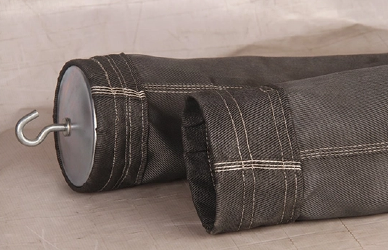
Reverse air filter bags are ideal for filtration systems in specific conditions where moderate dust loads, non-abrasive particles, and high-efficiency filtration are required. Here’s when they are most effective:
Moderate Dust Load:
Reverse air filter bags are most effective in environments with moderate dust concentrations. Their cleaning method ensures optimal performance without clogging or excessive wear.
Non-Abrasive Dust:
These filters work best in environments with non-abrasive dust, where the gentle reverse air cleaning process won’t damage the filter bags.
High Efficiency Needs:
They are ideal for applications requiring high filtration efficiency. The gentle cleaning process reduces damage to the filter media, ensuring long-lasting, reliable performance.
Reverse air filter bags are especially useful in industries with moderate dust loads and non-abrasive particles, including:
Cement Industry:
Commonly used in cement plants for dust collection, where the moderate dust load and non-abrasive nature of cement dust make them an efficient choice.
Food Processing:
In food processing, reverse air filter bags are ideal for collecting fine, non-abrasive dust, maintaining sanitation standards and clean air.
Pharmaceuticals:
Pharmaceutical manufacturing requires efficient, hygienic filtration. Reverse air filter bags offer high filtration efficiency and gentle cleaning, suitable for these environments.
Light Manufacturing:
In light manufacturing, where dust levels are lower, reverse air filter bags provide cost-effective, efficient filtration without the need for aggressive cleaning methods.
Reverse air filter bags are commonly used in industrial filtration systems, but they differ from other types, like pulse jet filters and shaker filters, in several key areas. Here's a comparison focusing on cleaning methods, dust loading capacity, and maintenance.
Cleaning Methods:
Reverse air filter bags use gentle reverse airflow to clean the bags, ideal for fine, non-abrasive dust, and minimizing wear.
Pulse jet filters rely on high-pressure air bursts, effective for high dust loads but can damage filter bags, especially with abrasive particles.
Dust Loading Capacity:
Reverse air filter bags are better for moderate dust loads and fine particulates.
Pulse jet filters handle heavier dust loads, though less efficiently with fine dust.
Maintenance:
Reverse air filter bags require lower maintenance due to less wear on the bags and longer lifespan.
Pulse jet filters typically incur higher maintenance costs because of more frequent bag replacement due to aggressive cleaning.
Cleaning Methods:
Reverse air filter bags use gentle reverse air to remove dust, maintaining bag integrity.
Shaker filters rely on mechanical shaking, which can lead to higher wear on bags over time.
Operational Costs:
Reverse air filter bags are more energy-efficient due to lower-pressure cleaning.
Shaker filters have lower operational costs but cause more frequent maintenance due to mechanical stress on the bags.
Reverse air filter bags are most effective for systems with moderate dust loads and non-abrasive particulate matter, such as in food processing or pharmaceuticals.
Reverse air cleaning uses a gentle airflow to clean the filter bags, whereas pulse jet cleaning uses bursts of compressed air. Reverse air is better for fragile filters and fine dust collection.
Reverse air filter bags are more suitable for moderate dust loads. For high dust concentrations, pulse jet filters might be a better choice due to their cleaning efficiency.
Reverse air filter bags require less frequent maintenance than pulse jet filters because the gentle cleaning process causes less wear on the bags, extending their service life.
Reverse air filter bags are the best choice for industrial filtration systems in environments with moderate dust loads and non-abrasive particles. They offer several key benefits, including cost-effectiveness, as they require less energy for cleaning compared to other methods like pulse jet filters. Their gentle cleaning process extends the lifespan of the bags, leading to lower maintenance and reduced operational costs. Additionally, reverse air filter bags maintain high filtration efficiency, ensuring consistent performance even with fine particulate matter. Their ability to provide reliable and efficient filtration with minimal maintenance makes them an ideal choice for industries like cement, food processing, and pharmaceuticals.