Views: 0 Author: Site Editor Publish Time: 2026-05-22 Origin: Site


Cement manufacturing creates one of the most abrasive, alkaline, and thermally volatile environments in modern industrial production facilities. Kiln operators constantly battle extreme conditions where dust and gas behave unpredictably. Standard polyester media degrades rapidly under these severe heat stresses. Facility managers quickly face unexpected downtime, strict compliance breaches, and inflated maintenance hours.
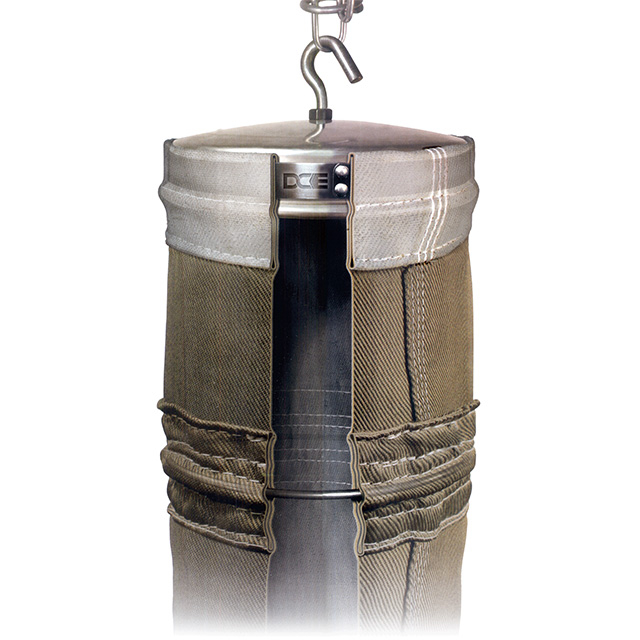
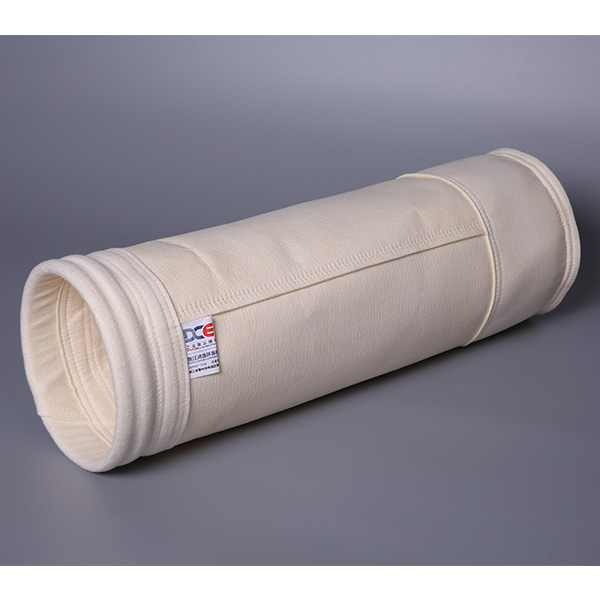
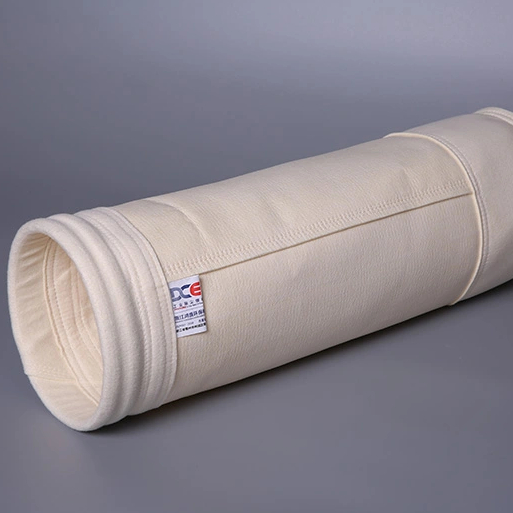
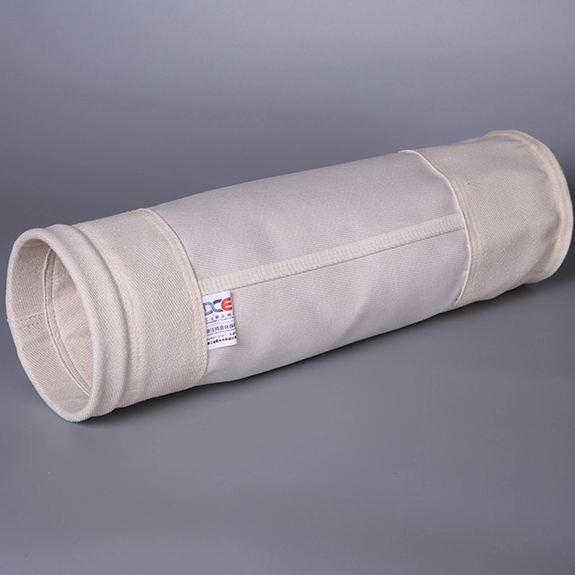
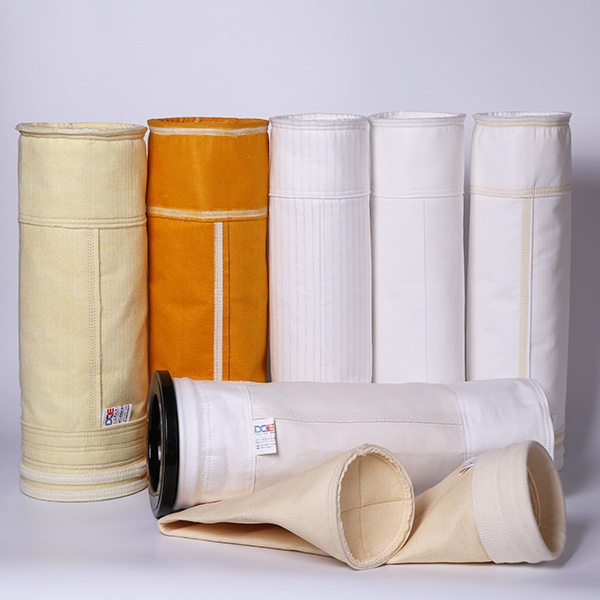
You need a better approach to reliable operations. Plant engineers now treat high-temperature cement dust collector bags as a strategic reliability investment rather than a consumable expense. By focusing on specific media combinations, facilities successfully solve distinct process bottlenecks and maintain continuous production.
Readers will discover exactly how different advanced materials perform inside specific facility zones. We will explore the mechanical reasons behind standard media failure. Furthermore, you will learn how upgrading your filtration setup supports vital retrofit projects and optimizes critical airflow.
Standard filter bags fail in cement plants due to thermal shrinkage, moisture-induced "crusting," and extreme alkalinity (pH 10-12).
High-temperature materials like Aramid, P84®, and ePTFE membranes extend operational life from months to years when matched to specific facility zones.
Premium filtration media lowers differential pressure, directly reducing fan energy consumption and CO2 emissions.
Upgrading to advanced media is a critical enabler for ESP-to-baghouse retrofits aiming for strict <10 mg/Nm³ emission targets.
Industrial filtration systems experience brutal punishment during normal operations. Rapid temperature fluctuations occur constantly, especially inside clinker coolers. These sudden thermal spikes cause standard polyester fibers to warp. They often leak or physically snap under heavy tension.
Standard bags rely on basic weave patterns. They stretch and distort easily. When extreme heat hits, they warp drastically. The fabric shrinks aggressively when exposed to heat beyond its design limit. This thermal shrinkage pulls the bag tightly against the inner steel cage. The tight fit creates severe mechanical friction during pulse cleaning cycles. Eventually, the fabric tears open. Operators then face immediate emission violations due to particulate leakage. Production must stop entirely while maintenance crews replace the damaged rows.
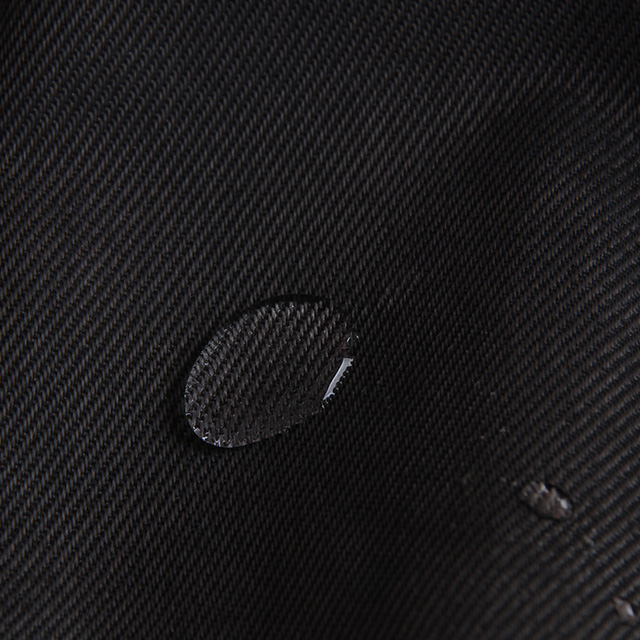
Moisture presents another severe operational trap. Facilities frequently inject cooling water into gas streams to manage extreme temperatures. This moisture inevitably combines with fine cement dust. It forms hardened, crusty chunks inside the fabric structure. These crusts block the media pores completely.
Engineers call this phenomenon irreversible blinding. The filter bags lose all gas permeability. Routine pulse cleaning cannot remove these hardened nodules. The gas stream simply cannot pass through the blocked fibers. The system draft collapses, forcing an immediate operational shutdown.
Chemical attacks further accelerate media failure. Clinker dust remains highly alkaline. It typically registers a pH level between 10 and 12. Trace moisture activates this extreme alkalinity.
When you combine high heat, trace moisture, and high alkalinity, basic polymers degrade rapidly. The chemical bonds within standard polyester break down completely. The material becomes highly brittle. It often crumbles to the bare touch. Standard bags usually fail chemically within 12 to 18 months under these aggressive conditions. You must upgrade the material chemistry to survive this environment.

Plant managers must match exact fiber properties to specific operational challenges. Modern industrial filtration offers several advanced materials designed specifically for extreme heat environments.
Aramid acts as the rugged all-rounder for heavy industries. It provides excellent mechanical resistance against severe abrasion and sharp clinker dust. It withstands consistent high temperatures seamlessly. You can rely on Aramid for long-term physical durability.
However, it requires strict internal moisture monitoring. Aramid is highly susceptible to chemical hydrolysis. High moisture and heat will break down the fiber chemically. You must keep the exhaust gas stream safely above the acid dew point to protect the bags.
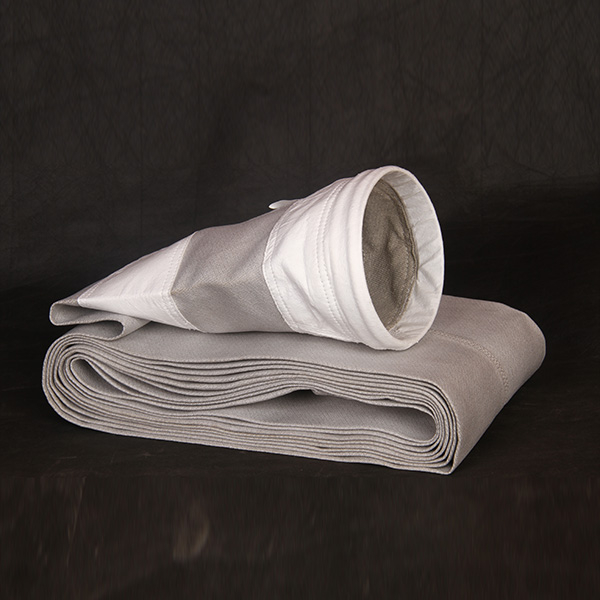
Operators often call this specific combination the ultimate heat shield. The ePTFE membrane offers incredible surface-filtration capability. It prevents fine microscopic dust from penetrating the deep fiber bed. This keeps the delicate glass substrate incredibly clean. It provides excellent chemical resistance against aggressive alkaline attacks.
Caveat: Fiberglass remains inherently brittle. It is highly vulnerable to structural failure. High-vibration environments will snap the glass filaments quickly. Aggressive over-pulsing also shatters the delicate fibers over time. You must tune your compressed air cleaning system gently.
Polyimide features a highly unique multi-lobe fiber structure. Its irregular cross-section creates a massive surface area compared to standard round fibers. This physical shape traps the finest particulate directly on the outer fabric surface.
It prevents deep-bed clogging entirely. The advanced multi-lobe shape creates a tightly packed surface shield. It intercepts dust particles measuring fractions of a micron. Because the dust never enters the fiber matrix, the bag cleans off perfectly. You achieve highly efficient cleaning cycles. Dust releases easily during the compressed air pulse sequence. The material retains high permeability throughout its entire lifespan.
Different production zones demand distinct media solutions. You cannot use a single material across the entire facility. Engineering an optimal environment requires careful process mapping.
Cement Plant Zone | Recommended Media Solution | Primary Operational Challenge |
|---|---|---|
Kiln and Preheater Sections | 100% Polyimide (P84) or ePTFE Fiberglass | Sustained extreme temperatures, fluctuating VOCs |
Clinker Cooling and Transport | Aramid (Nomex) or Blended Media | Highly abrasive sharp dust, sudden thermal spikes |
Raw Mill / Grinding | Moisture-resistant treated PPS | High moisture, condensation, hard nodule formation |
Coal Mill Processing | Anti-static / Explosion-proof Media | Combustible dust, severe explosive risks |
These specific areas experience sustained extreme temperatures daily. They also face fluctuating volatile organic compounds (VOCs) originating from alternative secondary fuels. We highly recommend using 100% Polyimide (P84) or high-grade fiberglass here. These premium materials handle complex, highly reactive gas streams perfectly. They do not degrade under sustained thermal stress.
Dust generated here is extremely sharp and mechanically abrasive. Sudden thermal spikes occur frequently when process cooling systems adjust automatically. We recommend Aramid or robust blended media for this zone. They resist heavy physical abrasion while managing unpredictable heat shocks safely. They protect the system cage integrity.
Moisture levels rise significantly during the raw grinding phases. You must actively combat internal condensation. Water vapor leads directly to destructive nodule formation on the fabric. Moisture-resistant treatments become an absolute necessity here. PPS works excellently in these mills if ambient temperatures remain within its safe operating limits.
Combustible dust creates severe explosion risks in coal processing zones. Safety regulations mandate strict compliance protocols. You must use explosion-proof media here. Anti-static bags handling combustible dust utilize conductive stainless steel fibers woven into the fabric. This safely grounds the media and prevents deadly static charge accumulation.
Surface-filtration technologies maintain stable operational metrics effortlessly. Materials like ePTFE or P84 keep system differential pressure exceptionally low. They stop dust from burying deeply into the material structure.
Draft fans consume massive amounts of electricity in cement plants. Every millimeter of water gauge pressure requires additional motor amperage. When you implement premium surface-filtration media, draft resistance drops dramatically. This directly reduces the heavy electrical load on Induced Draft (ID) fans. The ID fan motors spin easier. Lower fan loads help facilities meet strict facility-wide CO2 reduction goals. Smooth, uninterrupted airflow ensures steady clinker production rates.
Efficient dust release completely changes the maintenance dynamic. A well-designed pulse jet baghouse requires lower pulse pressures to shed accumulated dust. It also needs significantly less frequent cleaning cycles.
Better advanced media drops the heavy dust cake instantly. This eliminates the dangerous practice of over-pulsing. Over-pulsing remains a hidden killer of bag longevity. It physically destroys delicate fibers over time through sheer kinetic force. You preserve the bag structure permanently by cleaning it gently.
Compare short-term standard media to premium engineered options. Standard bags often require full replacement every 3 to 6 months. This triggers frequent labor interventions and halted production schedules.
Conversely, premium high-temperature bags routinely last 24 to 36 months. They endure the exact same highly abrasive conditions without failing structurally. Maintenance frequency dictates facility profitability. Shutting down a massive rotary kiln for bag replacement disrupts the entire supply chain. Standard bags force this disruption multiple times a year. Premium materials eliminate these frequent stops. By extending bag life past the two-year mark, you align filtration maintenance with major annual plant outages. This extended operational life maximizes facility uptime completely.
Regulatory bodies continually enforce stricter particulate emission limits globally. Many environmental jurisdictions now mandate emission levels strictly below 10 mg/Nm³. This massive industry shift forces facilities to abandon traditional Electrostatic Precipitators (ESPs).
Older ESPs struggle heavily to capture microscopic particulates reliably. They perform poorly when gas chemistry fluctuates due to alternative fuels. Facilities must upgrade their technology to maintain operating licenses.
Converting an older ESP to a modern fabric system requires careful engineering. You can often repurpose the existing ESP structural casings to save project time. This specific engineering checklist guides the complex transformation:
Assess the existing casing structural integrity for heavy vacuum pressures.
Map new hopper evacuation routes to handle increased dust capture volumes.
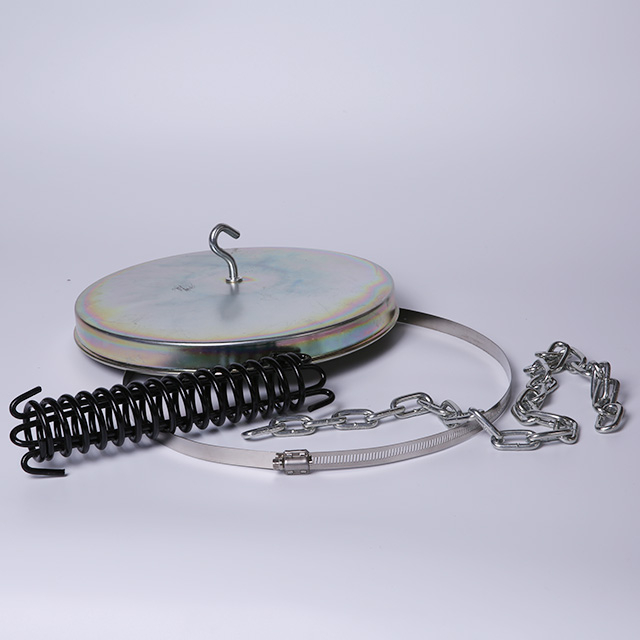
Install custom engineered tubesheets to hold the new high-temperature filter bags.
Configure modern compressed air pulse cleaning headers accurately.
Adding high-temperature bags inherently increases overall system aerodynamic drag. The woven fabric creates more physical resistance than empty ESP collector plates. Upgrading ID fans and EP fans becomes a mandatory project phase to maintain necessary gas volumes.
Furthermore, you must strictly control conditioning tower temperatures. Water injection controls must be perfectly calibrated. Poor temperature control leads directly to catastrophic bag burnout. It also causes severe acid condensation if temperatures drop too low during startup phases.
Specifying the exact media requires diligent engineering evaluation. It is an exercise in matching chemical, thermal, and physical plant realities to specialized fiber properties. Facility operators must approach this systematically to guarantee success. You cannot guess when selecting industrial fabrics for severe environments.
We strongly recommend conducting a localized dust analysis first. Examine the precise particle size, abrasiveness, and moisture content. Next, perform a complete airflow audit. Evaluate the current system can velocity and the existing air-to-cloth ratio. Do this critical math before selecting a new media type.
Finally, partner with technical engineering experts. Encourage your maintenance teams to consult an industrial filtration specialist today. They will accurately map custom media blends to your specific kiln or mill conditions, ensuring long-lasting operational reliability.
A: Aramid (Nomex®) stands out as the optimal choice for clinker coolers. It provides exceptional abrasion resistance against sharp, abrasive clinker dust. Aramid handles heavy particulate loads effectively while safely managing sudden thermal spikes. It performs incredibly reliably provided operational gas temperatures remain consistently under 204°C (400°F). You must monitor moisture to prevent chemical degradation.
A: High differential pressure usually stems from severe media blinding. Moisture from cooling water injections mixes with fine cement dust, forming hard crusts. Fine dust penetration deep into standard fibers also heavily restricts airflow. Additionally, operating with an undersized air-to-cloth ratio forces too much gas through limited media, artificially driving system pressure upward.
A: Moisture introduces catastrophic failures quickly. It interacts with highly alkaline cement dust to create rock-hard crusts or nodules directly on the fabric surface. These hardened layers actively prevent dust release during routine pulse cleaning cycles. The restricted airflow forces the system to over-pulse repeatedly, which eventually tears the filter bag apart structurally.