Views: 0 Author: Site Editor Publish Time: 2026-05-01 Origin: Site


Sub-optimal media selection in cement manufacturing leads directly to premature blinding. It causes unplanned kiln shutdowns and costly compliance violations. Plant managers face intense pressure to maintain continuous operation. They must do this without exceeding strict environmental caps. Today, emission regulations strictly enforce particulate limits well below 30 mg/Nm³. Relying on legacy filtration materials is no longer a viable strategy. Operational guesswork frequently leads to catastrophic failures. You need engineered solutions to handle aggressive alkaline environments and extreme thermal conditions.
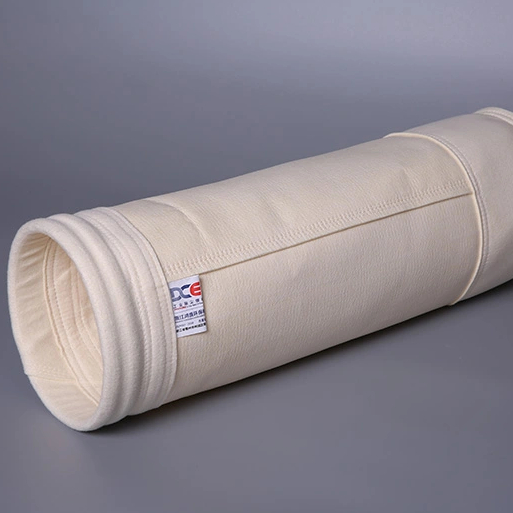
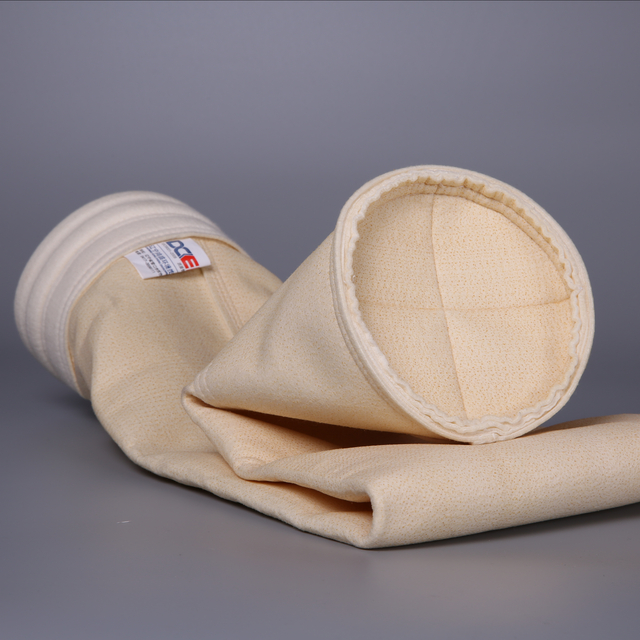
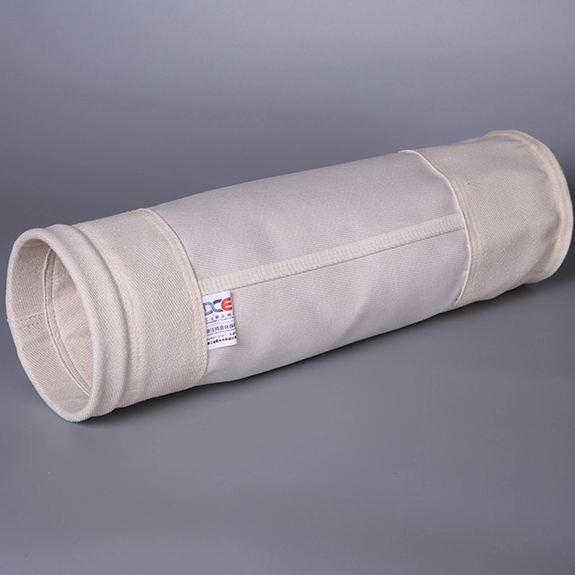
This guide provides plant engineers and procurement teams with an evidence-based evaluation framework. You will learn exactly how to match filter media to specific gas properties. We explore process-specific dust characteristics in detail. Furthermore, we cover critical system airflow mechanics. This knowledge helps you specify the correct filter bag for cement plant operations and maximize equipment longevity.
Filter media selection must be treated as a two-dimensional matrix matching gas characteristics (temperature, humidity, chemistry) with dust behavior (abrasion, hygroscopicity).
High-alkaline environments (pH 10-12), typical in cement kilns, heavily dictate material viability—often necessitating PTFE membranes over traditional aramid fibers.
System longevity relies as much on operational sizing (air-to-cloth ratio, can velocity) as it does on fabric choice.
Upgrading from Electrostatic Precipitators (ESPs) to baghouse systems requires holistic system analysis, particularly regarding ID fan capacity and cooling tower adjustments.
You cannot select reliable filtration media based on temperature alone. Engineers must evaluate environmental baselines against material resistance assumptions. We treat this as a two-dimensional matrix. First, analyze the gas. Second, analyze the dust.
Temperature thresholds strictly dictate baseline material choices. You must delineate materials by continuous operating temperatures versus surge temperatures. Standard polyester performs well in ambient zones. It remains viable only below 130°C (266°F). Surges above this limit cause irreversible damage. A temperature surge should never exceed 10 minutes per day. Continuous high heat demands advanced polymers. You should specify PTFE, Fiberglass, or P84 materials for extreme zones.
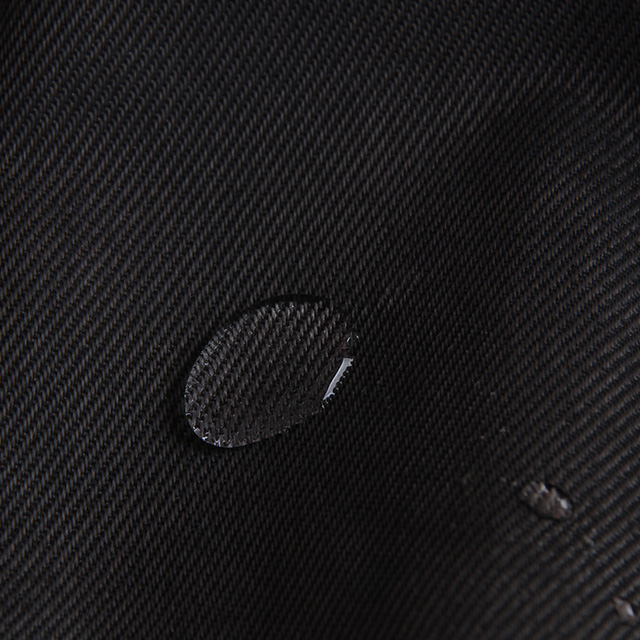
Moisture limits also govern material selection. Environments exhibiting over 30% humidity pose high condensation risks. You must avoid standard polyester in these conditions. Polyester is highly prone to hydrolysis. Moisture breaks down its polymer chains rapidly. Instead, prioritize hydrophobic treatments. PTFE membranes provide excellent protection here. They prevent mud-caking on the fabric surface.
Cement dust exhibits unique physical and chemical behaviors. Abrasion peaks predictably around the 90-micron particle size. High-abrasion zones destroy weak fabrics quickly. They require heavy-duty needle-felt synthetic fibers. These outperform standard woven fiberglass significantly. Manufacturers often supplement these felts. They apply silicone or graphite coatings to add physical lubricity.
Hygroscopicity is another critical dust characteristic. Materials like calcium oxide (CaO) actively absorb moisture. Deliquescent dust creates sticky mud on fabric surfaces. Smooth membrane finishes become mandatory here. A non-linting finish prevents particles from embedding deeply. This stops catastrophic blinding.
Alkaline attack destroys many conventional fabrics. We must acknowledge the harsh chemical reality of cement dust. It frequently reaches pH levels between 10 and 12. Certain materials fail prematurely under high-alkaline oxidation. Aramid fibers degrade chemically in these basic environments. You must verify chemical resistance before finalizing any material choice.

Every operational node presents unique challenges. You must map product capabilities directly to specific process conditions. A universal fabric approach always fails in modern facilities.
The kiln tail represents the harshest operational zone. Conditions include continuous high temperatures ranging from 120°C to 260°C. The clinker dust is highly abrasive. Furthermore, the environment features aggressive alkaline chemistry. Choosing a cement kiln filter bag demands precision.
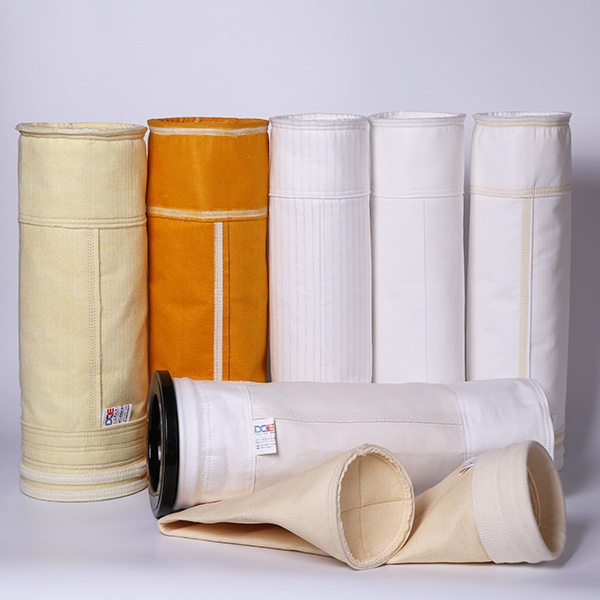
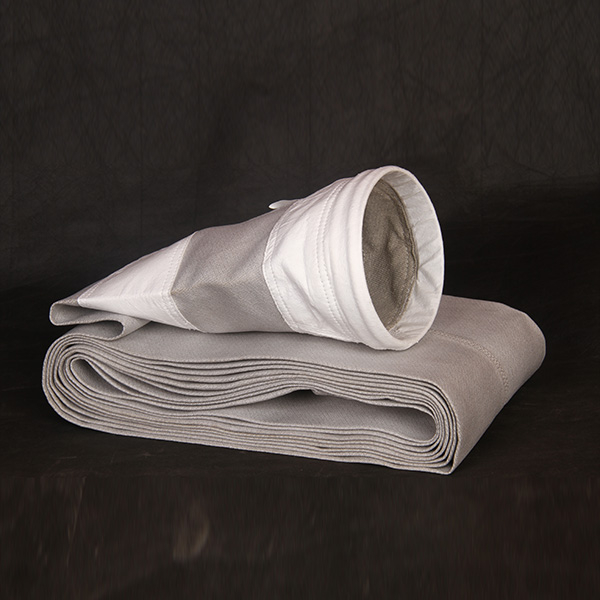
PTFE-laminated fiberglass is the standard industry recommendation. You might also consider 100% PTFE bags for extreme cases. These materials resist alkaline degradation exceptionally well. They perform far better than Nomex (aramid) under high pH conditions. PTFE uses surface filtration mechanisms. This keeps fine CaO and SiO2 particles outside the matrix. The fine dust cannot penetrate the core fibers.
Coal mills introduce severe safety hazards. Conditions here feature high combustibility. Static electricity risks are exceptionally high. Plant explosions remain a constant threat.
Safety and regulatory compliance dictate material choice. Guidelines from NFPA require anti-static filter media. Manufacturers address this by blending conductive fibers into the felt. They typically weave 2% to 5% stainless steel or carbon fibers into acrylic or polyester. This conductive grid ensures safe static dissipation. It grounds the electrical charge safely away from the explosive dust.
Clinker coolers subject media to extreme physical abuse. Conditions feature intense abrasion. Temperatures fluctuate wildly depending on the process stage.
Selection logic focuses heavily on mechanical durability. Aramid (Nomex) performs beautifully here. You can also use specially treated polyester in lower temperature zones. High-density needle-felt construction is essential. It provides optimal wear resistance against sharp, abrasive clinker particles.
Filter Media Selection Chart by Cement Plant Process | |||
Process Area | Temperature Range | Primary Hazards | Recommended Media |
|---|---|---|---|
Kiln Tail / Raw Mill | 120°C – 260°C | Alkaline attack, ultra-fine dust | PTFE / PTFE-laminated fiberglass |
Coal Mill | 60°C – 90°C | Combustibility, static charge | Anti-static Acrylic / Polyester |
Clinker Cooler | 100°C – 200°C | Extreme abrasion, sharp particles | Aramid (Nomex) needle-felt |
Excellent fabric choices fail inside poorly sized systems. You must align filter bags with existing baghouse filter mechanics. This prevents premature failure and excessive energy consumption.
The air-to-cloth ratio defines safe operating parameters. It prevents forced particle embedment into the fabric. High ratios push dust violently into the fibers. This causes irreversible blinding.
Standard engineering benchmarks provide clear guidelines. Typical pulse-jet applications in cement plants require 0.8 to 1.2 m/min. If you operate a reverse-air system, you must adjust this downward. Reverse-air setups handling ultra-fine kiln dust need a ratio between 0.4 and 0.6 m/min. Pushing beyond these limits guarantees short lifespans.
Can velocity dictates how dust behaves inside the housing. It is the upward speed of air between the suspended bags. The target range sits safely between 0.8 and 1.2 m/sec.
If upward air velocity rises too high, problems occur. Pulsed dust cannot settle downward into the hopper. The strong upward draft pushes it back onto the bags. We call this phenomenon reentrainment. It renders the highest-quality fabrics completely useless. They suffer from constant, heavy dust loading. Cleaning cycles become continuous. Compressed air usage skyrockets.
Many plants are replacing Electrostatic Precipitators (ESPs) today. Retrofitting introduces specific structural realities. You must address these implementation risks carefully.
Transitioning to fabric filtration inherently increases system resistance. ESP systems operate with very low pressure drops. Baghouses introduce a physical barrier to airflow. You must evaluate the Induced Draft (ID) fan immediately.
Older fans usually lack the static pressure capacity required. Upgrading the ID fan becomes absolutely necessary. It maintains required airflow through the kiln. Failing to upgrade the fan throttles plant production.
Cooling tower adjustments dictate retrofit success. Old ESP systems often utilize water-injection conditioning towers. They spray water to cool gases and improve electrical conductivity.
You cannot use raw water spray before a fabric filter. It introduces severe condensation risks. Water spray must often be disabled completely. Engineers replace it with cold-air dilution valves. This completely eliminates moisture introduction. Unplanned moisture causes catastrophic bag blinding within hours.
Modern retrofits require modernized cleaning controls. We strongly recommend moving away from timer-based cleaning. Timers pulse the bags continuously regardless of actual dust loading.
Implementing Demand-Pulse cleaning provides superior results. This system triggers based on specific inlet and outlet DP thresholds. It only cleans when the pressure drop demands it. This strategy reduces mechanical wear significantly. It also saves massive amounts of compressed air.
Conduct a comprehensive computational fluid dynamics (CFD) analysis beforehand.
Ensure the existing ESP casing structural integrity can support new tube sheets.
Install broken bag detectors on the clean air plenum.
Keeping the old ESP fan and hoping it handles the new static pressure.
Leaving existing water conditioning systems active on automatic mode.
Failing to reinforce hopper walls for the new, denser dust accumulation.
A proactive lifecycle management strategy stabilizes your operations. An optimized cement dust collection setup requires strict monitoring. You must define clear end-of-life indicators.
Operators must establish normal operating ranges early. Typical pressure drops range between 1200 and 1800 Pa. You should record these baseline metrics daily.
Sustained deviations signal serious internal issues. If pressure climbs above 2500 Pa, severe blinding is occurring. If it suddenly drops below 800 Pa, suspect a bag rupture. Monitoring DP trends prevents small leaks from becoming major environmental incidents.
Pulse-jet systems depend entirely on clean air. The compressed air used for cleaning must be strictly filtered. Operators must remove all trace oils and water droplets.
Moisture in the pulse air acts like a glue. It instantly cakes the interior and exterior of the bags. Oil vapor coats the pores permanently. Check your air dryers and oil separators weekly.
You need objective criteria to authorize replacements. Guesswork leads to wasted budgets or compliance fines. Follow these specific replacement triggers:
Chronic emission spikes: Continuous particulate readings near or above the 30 mg/Nm³ limit indicate failing media.
Unrecoverable pressure drop: If DP remains above 2000 Pa despite continuous, aggressive pulsing, the pores are permanently blinded.
Physical fabric degradation: Visual inspections revealing abrasive wear, pinholes, or chemical embrittlement require immediate change-outs.
Choosing filtration media for a cement plant is never a simple commodity purchase. It represents a highly engineered system integration. Your decision directly impacts kiln uptime and regulatory compliance. The optimal choice requires balancing extreme temperature resistances with harsh chemical defenses. You must also calculate precise aerodynamic sizing.
Treat the selection process as a holistic engineering challenge. First, secure comprehensive dust testing from your specific process nodes. Second, conduct thorough system airflow audits. Examine your fans, can velocities, and air-to-cloth ratios carefully. Encourage your procurement teams to demand these technical verifications before committing to any material specification. Proper evaluation today prevents catastrophic shutdowns tomorrow.
A: High temperatures combined with high alkaline levels (pH 10-12) and moisture cause chemical hydrolysis or oxidation. Materials like aramid (Nomex) degrade chemically under these basic conditions. They lose physical tensile strength rapidly, even if the operating temperature remains safely within their published thermal limits.
A: PTFE (Teflon) lamination represents the industry standard for high-moisture and hygroscopic dust like CaO. It creates a highly effective, non-stick surface filtration barrier. This slick barrier prevents deliquescent dust from penetrating deeply and blinding the internal fabric core.
A: An optimal ratio for cement mills using pulse-jet cleaning typically sits between 0.8 and 1.2 m/min. If your system runs consistently above this range, fabrics suffer from high-velocity abrasion. They experience rapid blinding, require excessive pulse cleaning, and display drastically shortened lifespans.