Views: 0 Author: Site Editor Publish Time: 2026-04-24 Origin: Site


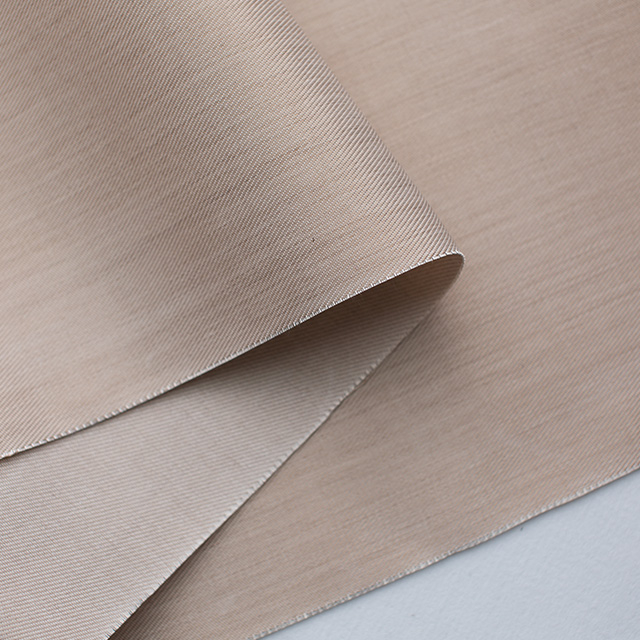
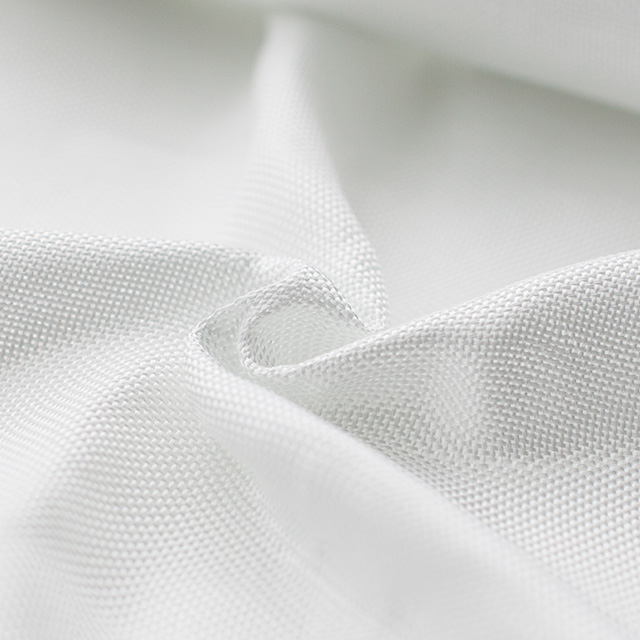
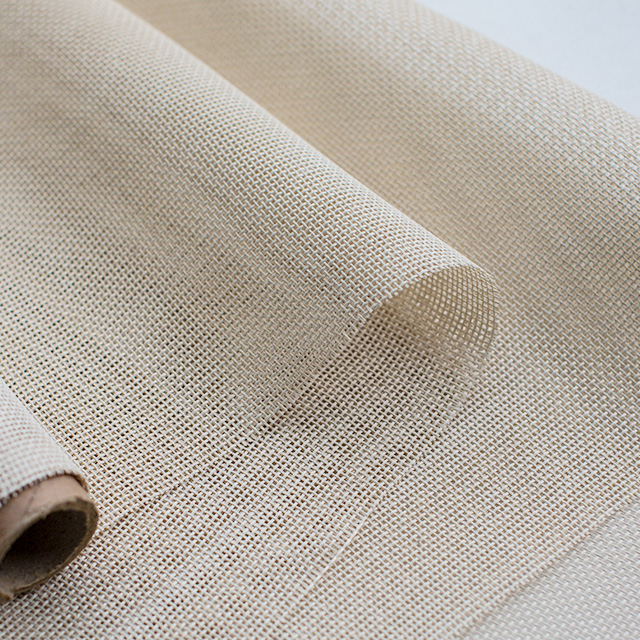
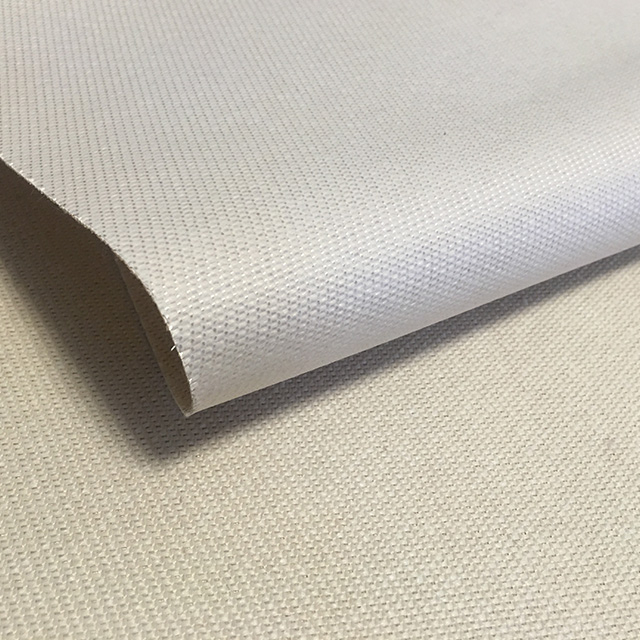
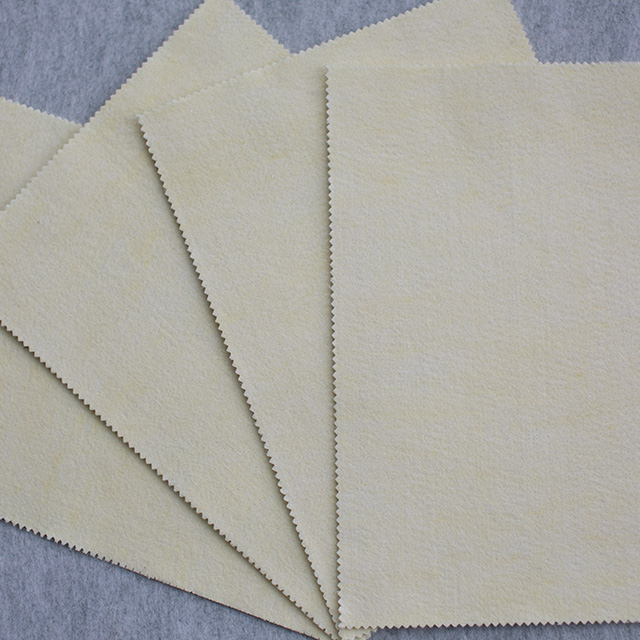
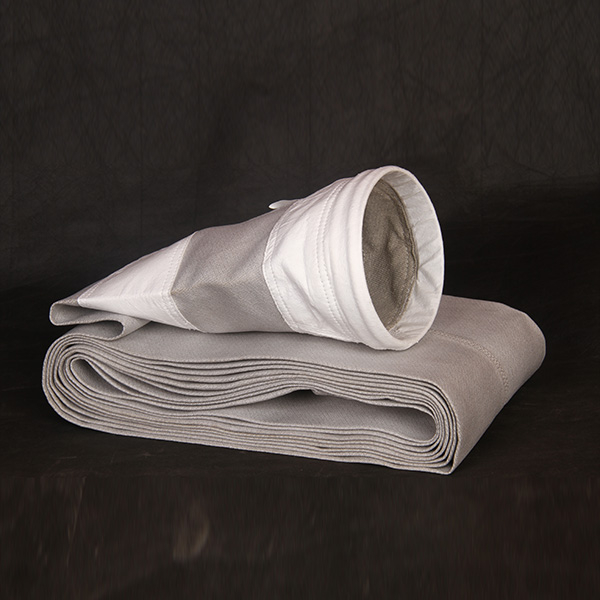
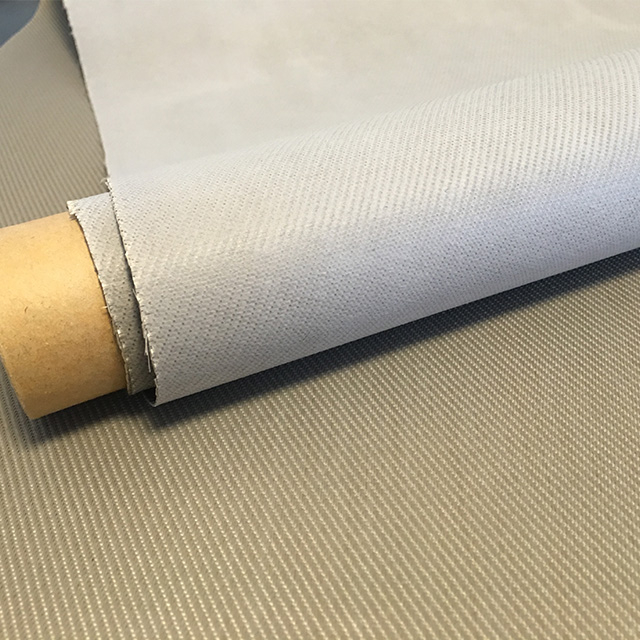
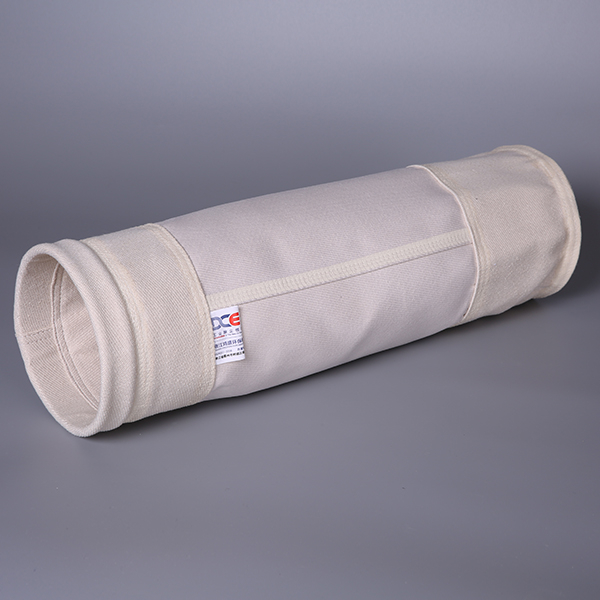
Fiberglass filter fabric is a special material made from fiberglass. It helps remove tiny particles and dirt from air or liquids. You can find it in places like cement factories, power plants, metal factories, and chemical plants. It works well because it can handle very hot temperatures and strong chemicals. This material is important because it makes the air cleaner and keeps machines safe.
The worldwide fiberglass filter fabrics market might reach about $20 billion by 2028.
The market could grow at a Compound Annual Growth Rate (CAGR) of 6%.
Application Type | Description |
|---|---|
Cement Manufacturing | Works well in clinker coolers, kilns, and dust collection systems. |
Power Plants | Gives good filtration in fly ash and flue gas desulfurization systems. |
Metal Processing | Filters small particles and gases in smelting and refining processes. |
Chemical Processing | Handles strong chemicals and high heat very well. |
Environmental Filtration | Used in air pollution control systems to catch harmful emissions. |
Fiberglass filter fabric is strong and lasts a long time. It can handle very hot temperatures. This makes it good for hard places like factories and power plants.
These filters last longer than polyester or aramid filters. You do not need to replace them as often. This helps you save money over time.
When you pick a filter, think about how you will use it. Look at the working conditions. Also, know what kind of dirt or dust you want to catch.
It is important to take care of your filters. Change them every 12 to 24 months. Check for dust so your filter works well.
For better allergen control in home HVAC systems, use pleated filters with higher MERV ratings. These are better than regular fiberglass filters.
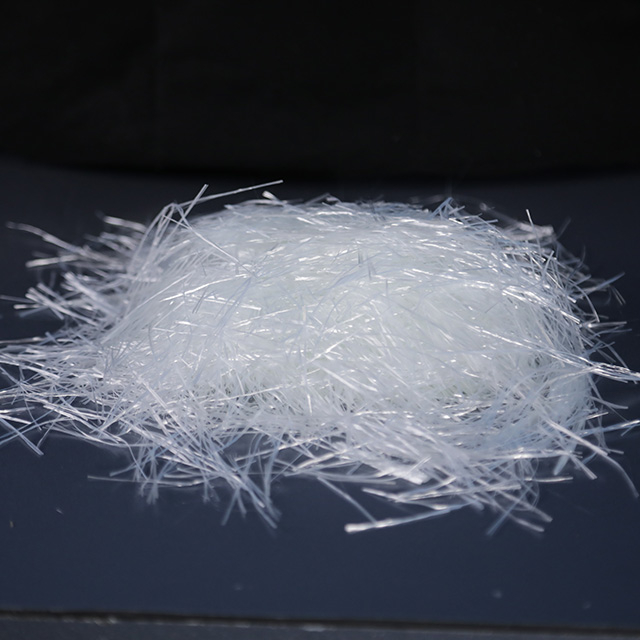
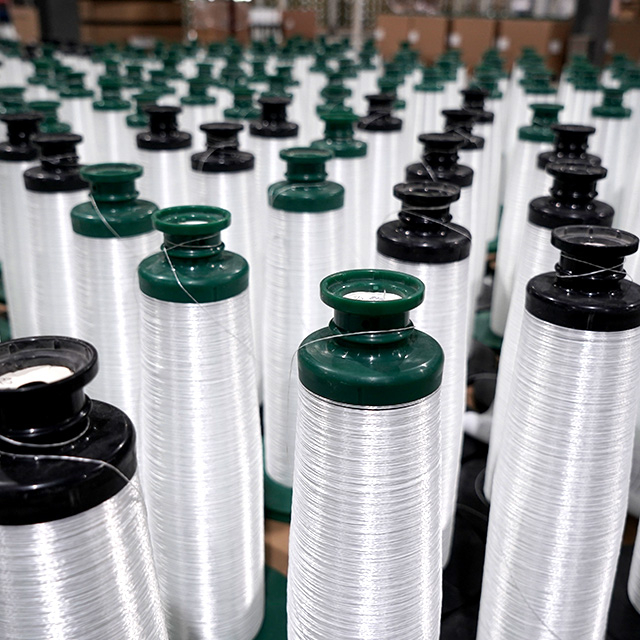
Fiberglass filter fabric is made from strong and bendy materials. The main part is fiberglass fiber. This fiber is made by melting glass and spinning it into thin threads. Some filters, like high silica fiberglass filters, use a special glass with more silica. This helps them work better in hot places and with strong chemicals.
Fiberglass fiber is the main part of the fabric.
High silica fiberglass filters have more silica for better use.
The fibers can be different sizes, usually 15 to 60 micrometers (μm).
The fabric is often between ¾ and 1 inch thick.
These materials give the fabric special features. The filter can handle heat, fight off chemicals, and last a long time. The kind of glass and how the fibers are put together change what the filter can do.
People who make fiberglass filter fabric use special ways to build it. One way is called needle-punching. In this way, machines push needles through layers of fiberglass fibers. This makes a strong mat that is not woven. High silica fiberglass filters often use this way so the fabric stays together when stressed.
How the fabric is built is very important. The glass mat structure changes how air or liquid moves through the filter. The size of the fibers and how thick the fabric is also matter a lot. Here is a table that shows how these things change how the filter works:
Specification | Impact on Performance |
|---|---|
Fiber Diameter (0.10-2.0μm) | Catches tiny particles like PM10 and PM2.5, so the filter works well. |
Thickness (< 0.8mm) | Makes the filter lighter and easier to use, which saves money and time. |
Strength (> 2000N) | Keeps the filter strong when it gets hot and stops shrinking. |
Elongation Rate (< 3%) | Makes it less likely to break when cleaned, so it lasts longer. |
You can see that the features and types of fiberglass mesh filters change with these details. High silica fiberglass filters are special because they keep their shape and work well in tough places. When you pick a filter, look at these things to find what you need.
Fiberglass filter fabric can handle very high heat. It works at temperatures up to 260°C. PTFE can also take this much heat, but PPS can only go up to 190°C. Here is a table that shows how these materials compare:
Material | Max. Temp. (Continuous) |
|---|---|
Fiberglass | 260°C |
PPS | 190°C |
PTFE | 260°C |
This fabric also stands up to many chemicals. You can use it where there are acids, alkalis, and gases from factories. Most acids and alkalis do not hurt the fabric. But hydrofluoric acid and very strong chemicals can damage it. Sometimes, people add coatings like PTFE or silicone/graphite to make it even stronger. High silica fiberglass filters protect better in places with harsh chemicals. This means the filter lasts longer than polyester or aramid filters. You will not need to replace it as often, so machines can keep running.
Substance | Resistance Level |
|---|---|
Most acids | Strong resistance |
Most alkalis | Strong resistance |
Industrial gases | Strong resistance |
Hydrofluoric acid | Not resistant |
Extremely strong alkali/acid conditions | Not resistant |
Tip: If you work with tough chemicals, pick high silica fiberglass filters. They last longer and are tougher.
Air permeability and porosity help the filter work well. Fiberglass filter fabric lets air and gases move through easily. The small holes in the fabric catch tiny bits of dirt but let clean air pass. Some products, like AFT® PulseGuard™ Fiberglass Filter Bags, use an ePTFE membrane. This helps the bag hold more dust and dirt. The fabric’s porosity keeps air moving fast without making the system work harder. This means better filtering and lower energy bills.
There are many types of fiberglass mesh filters. Some have special pore sizes for different jobs, like filtering alloys. New ways of weaving and degassing make the fabric stronger and better. Now, you can get custom filters with 3D printing and coatings that break down over time.
Fiberglass filter fabric is very strong and stable. It does not shrink or soak up water. The fabric keeps its shape in hot and wet places. Here is a table that shows these features:
Property | Description |
|---|---|
Dimensional Stability | Excellent dimensional stability with near-zero shrinkage |
Moisture Absorption | Does not absorb water, ensuring consistent performance |
Thermal Resistance | Maintains stable filtration performance in high temperatures up to 260°C and peak resistance to 280°C |
The fabric almost never shrinks.
It does not take in water.
It works well in hot and wet places.
New ideas make fiberglass filter fabric even stronger. Some new filters can handle heat up to 1,500°C. There are also coatings that break down and are better for the earth.
Note: Fiberglass filter fabric lasts a long time and works well in hard places. High silica fiberglass filters are even stronger and more stable.
Fiberglass filter fabric is used in home heating and cooling systems. These filters help make the air inside your house cleaner by catching small and tiny particles. When you use fiberglass mesh filters, you keep dust, bacteria, and viruses away from your HVAC system. The filters also protect the machine parts from getting hurt.
Fiberglass filters catch big pieces of dirt in the air.
They do not work as well for tiny things that cause allergies.
Most fiberglass filters have low MERV ratings, usually between 1 and 4, so they do not stop very small germs or dust.
Pleated filters are better for people with allergies because they have higher MERV ratings.
Tip: If you want to block more allergens, pick pleated filters instead of regular fiberglass mesh filters.
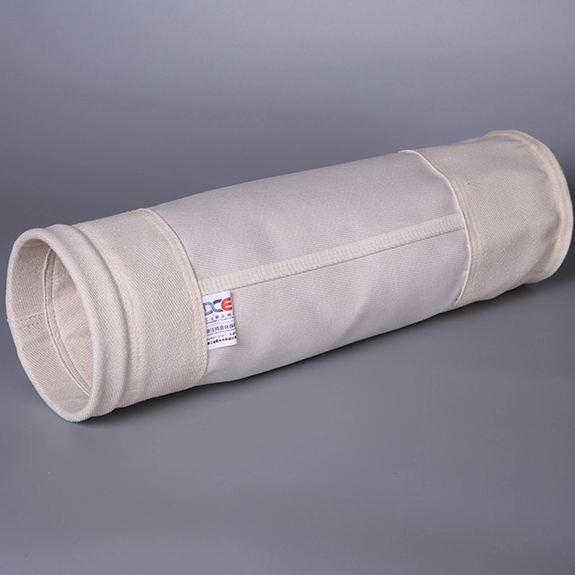
Factories and plants use a lot of fiberglass filter fabric. You can find these filters in cement factory baghouse filters, steel plant dust systems, and power plant boiler exhausts.
In cement factories, the filters take out rough dust from clinker coolers and kilns.
Steel plants use them to catch tiny bits in blast furnaces and sintering plants.
Power plants use filters to clean hot, dirty gases and lower the amount of dust in the air.
Incinerators use filters to meet rules by trapping hot, dirty air with lots of particles.
Fiberglass filter fabric lasts two to three times longer than polyester or aramid filters. This helps you save money and have less machine downtime. PTFE-coated fiberglass gives good heat resistance, strong build, and saves money. These features make fiberglass mesh filters great for hard jobs in factories.
Fiberglass filter fabric is used in many other jobs.
Automotive
Asphalt
Chemical
Mining
Oil and gas
Paper and pulp making
Sugar processing
Food processing
Tobacco making
Fiberglass mesh filters help remove dust and clean air in drum, belt, and press filter fabrics. You also see them used for foundry filtration in metal casting and making alloys. High silica fiberglass filters work well in tough places, making work safer and saving energy.
Note: Fiberglass filter fabric is used in many fields because it can handle heat, chemicals, and heavy work.
Fiberglass filter fabric gives you many good things. It is strong and lasts a long time. It works well even in hard places. You can trust it to keep air and machines clean.
Microglass fibers make the fabric tough and simple to put in.
These filters catch big things like dirt and lint.
They also trap small things like pollen and dust.
You can use them where it gets very hot, up to 300° F.
The filter has layers that trap dirt well, so it works for many jobs.
Tip: If you need a filter for hot and dirty places, fiberglass filter fabric is a smart pick.
Saving money is important when picking filters. You want one that lasts and does not cost too much over time. The table below shows how fiberglass filter fabric is better than other types:
Filter Fabric | Initial Cost | Typical Lifespan | Replacement Frequency | Cost Efficiency Over Time |
|---|---|---|---|---|
Polyester | $ | 6 – 12 months | Frequent | Low |
Aramid | $$ | 1.5 – 2 years | Moderate | Moderate |
Fiberglass Filter Fabric | $$$ | 2 – 4 years | Rare | High |
You can see fiberglass filter fabric lasts longer than polyester or aramid. You do not have to change it as much. This means you save money and do not spend as much time fixing things. It is a good choice for homes and factories.
Fiberglass filter fabric also does not get hurt by chemicals or water. It does not shrink or stop working in wet or hot places. You get clean air and good filtering for a long time.
Note: Using fiberglass filter fabric helps your machines and makes air better. You also save money and have less downtime.
You should know about some challenges when you use fiberglass mesh filters. These filters help clean air and liquids, but they are not perfect for every job. Here are some common drawbacks:
Most fiberglass mesh filters are disposable. You need to replace them often, which adds to your costs over time.
These filters can get damaged by too much moisture or by certain strong chemicals. This means you cannot use them everywhere.
The fibers can break if you handle them roughly. You should wear gloves and a mask when you change them to stay safe.
If you use the wrong filter for your system, you might not get the best results. Always check the size and type before you buy.
Note: Always follow safety steps when you handle or replace these filters. Tiny fibers can irritate your skin or lungs.
You need to take care of your filters to keep your system working well. Here are some tips for maintenance:
Replace your filter every 12 to 24 months. The exact time depends on how much you use it and where you use it.
Check your filter often. If you see a lot of dust or damage, change it sooner.
Clean the area around your filter to stop dirt from building up.
When you pick a fiberglass mesh filter, think about your needs. Use the table below to help you choose the right one:
Criteria | Description |
|---|---|
Filtration Application | Think about what you want to filter and what kind of dirt or dust you have. |
Filter Equipment | Look at the type of machine you have, like single-thread or multi-thread filter cloth. |
Operating Conditions | Check the temperature and pH where you will use the filter. |
Material Viscosity | See how thick or thin the material you want to filter is. |
Filtration Precision | Decide how clean you need the air or liquid to be after filtering. |
Tip: If you are not sure which filter to use, ask an expert or check your machine’s manual.
By knowing these points, you can make smart choices and keep your system running smoothly.
You have learned that fiberglass filter fabric stands out for its durability, heat resistance, and use in tough places like cement plants and power stations.
It lasts 12 to 24 months and works well in high temperatures.
You will find it in many industries for dust control.
You need to know both the strengths and limits of these filters. This helps you pick the right one for your air quality and system needs. Always check what your system requires so your filter works its best.
Fiberglass filter fabric can handle heat and chemicals very well. Polyester and aramid filters do not last as long in hard places. Fiberglass filters work in hot and rough spots.
Yes, you can use fiberglass filter fabric in home HVAC systems. These filters catch big dust pieces and keep your machines safe. If you want to stop allergens, use pleated filters with higher MERV ratings.
You should change fiberglass filter fabric every 12 to 24 months. Look at your filter often. If you see a lot of dust or damage, change it sooner so your system works well.
Wear gloves and a mask when you touch fiberglass filter fabric. Small fibers can bother your skin or lungs. Always follow safety rules when you change or clean filters.
Factories, power plants, cement plants, and chemical plants use fiberglass filter fabric. You also see it in mining, car making, and food factories. These filters help stop dust and keep machines safe.