
Views: 0 Author: Site Editor Publish Time: 2025-10-27 Origin: Site


In industrial environments where dust collection and air pollution control are essential, Fiberglass Filter Fabric stands out as a reliable and cost-effective solution. Engineered for high-performance filtration under extreme conditions, this fabric plays a critical role in cement plants, steel mills, and coal-fired power stations. This article will explore the material characteristics of fiberglass filter fabric, its heat resistance properties, comparisons with other high-temperature filter media such as PPS and PTFE, and its overall economic advantages. We’ll also recommend Hongyuan Envirotech Co., Ltd. as a trusted supplier of high-quality fiberglass filter fabrics.
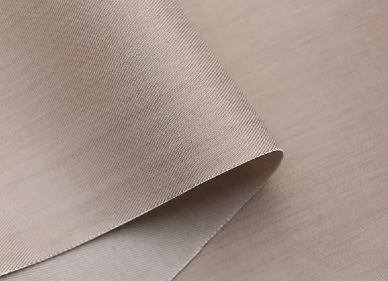
Fiberglass Filter Fabric is a high-performance filtration material widely used in industrial dust collection systems due to its exceptional physical and chemical properties.
High Strength, Low Elongation, and Dimensional Stability: The fabric offers excellent tensile strength while maintaining its shape and size under thermal and mechanical stress, ensuring long-term stability in filtration systems.
High Filtration Precision: With a fine and uniform structure, fiberglass fabric captures very small particles efficiently, contributing to cleaner emissions and better air quality control.
Thin, Flexible, and Easy to Clean: Although strong, it is also thin and soft, making installation and cleaning more convenient. It responds well to pulse-jet or reverse-air cleaning.
Oxidation and Corrosion Resistance: Fiberglass naturally resists chemical attacks and oxidation, making it suitable for use in corrosive industrial environments.
Excellent Flex Resistance: The fabric maintains its durability even under repeated bending and flexing, which is crucial during filter cleaning cycles.
Water and Oil Repellent: With PTFE or silicone coatings, it effectively repels water and oil, preventing clogging and extending filter life.
Thanks to these features, Fiberglass Filter Fabric is a trusted material for reliable, long-lasting, and efficient industrial filtration solutions.
Among all fabric filter media, Fiberglass Filter Fabric is particularly noted for its excellent thermal resistance. Standard fiberglass fabrics can withstand continuous operating temperatures of up to 260°C (500°F), while specially treated variants—such as those finished with PTFE or silicone—can endure even higher temperatures, reaching up to 300°C (572°F) for short-term exposure.
In high-temperature industrial settings such as cement kilns, smelting and sintering operations in steel plants, and boilers in coal-fired power stations, fiberglass filter bags maintain their structural integrity without melting, embrittlement, shrinkage, or fiber degradation. This high level of heat resistance ensures long-term durability and stable filtration performance, especially in environments with frequent thermal cycling and aggressive exhaust gas compositions.
Advantages in High Heat Applications:
No melting or dripping, even at extreme temperatures
Strong resistance to thermal shock and temperature fluctuations
Reliable compatibility with various hot gas filtration systems
These characteristics make Fiberglass Filter Fabric an ideal solution for demanding high-temperature filtration applications across heavy industries.
Fiberglass filter fabric has widespread use in demanding industrial dust collection systems due to its robust physical and thermal properties. Here are three key sectors where its usage is most prominent:
In cement plants, fiberglass filter fabric is commonly used in baghouse filters located in clinker coolers, rotary kilns, and cement mills. These systems filter high-temperature exhaust laden with abrasive dust and alkaline fumes. Fiberglass fabric endures the extreme heat and harsh chemical exposure, ensuring stable filtration performance and long service life.
In steel manufacturing, especially in blast furnaces, sintering plants, and electric arc furnaces, dust extraction systems rely on fiberglass filter bags to capture fine particulate matter and metallic dust. The fabric resists high dust loading, thermal cycling, and corrosive gases generated during metal processing.
Fiberglass filter fabric is essential in boiler exhaust systems and fly ash recovery units. It helps reduce particulate emissions and enhances energy efficiency by filtering hot, contaminated gases containing acidic compounds (SO₂, NOx) and soot particles.
Fiberglass Filter Fabric is widely used in incinerators for filtering hot, particle-laden exhaust gases. It withstands high temperatures and corrosive flue gases, ensuring stable filtration, long service life, and compliance with emission standards in waste-to-energy and hazardous waste incineration facilities.
In all these demanding applications, Fiberglass Filter Fabric consistently outperforms many synthetic alternatives by offering greater durability, thermal resistance, and long-term operational stability, making it an ideal choice for industrial dust filtration.
While fiberglass is widely used, it’s important to compare it with other high-temperature filter materials such as PPS (polyphenylene sulfide) and PTFE (polytetrafluoroethylene) to better understand its unique advantages.
Property | Fiberglass | PPS | PTFE |
Max. Temp. (Continuous) | 260°C | 190°C | 260°C |
Chemical Resistance | Good | Excellent (acids/bases) | Excellent (universal) |
Mechanical Strength | High | Moderate | Low |
Abrasion Resistance | Moderate | Good | Poor |
Cost | Moderate | High | Very High |
Surface Treatment | Required (e.g. PTFE) | Optional (laminated) | Fully PTFE-based |
Analysis:
PPS is suitable for slightly lower temperature applications with high chemical exposure. However, it can degrade under high oxygen or high-temperature spikes.
PTFE provides unmatched chemical resistance and is ideal for highly corrosive environments, but it is expensive and less mechanically robust.
Fiberglass, especially when treated with PTFE coating, strikes a balance between heat resistance, cost-effectiveness, and mechanical strength, making it ideal for most industrial applications.
When selecting filtration materials for industrial dust collection systems, one of the most critical considerations is the total lifecycle cost, which encompasses not only the initial investment—such as the cost of fabrication and installation—but also ongoing operating costs (energy consumption, regular maintenance) and downtime costs related to filter bag replacements and cleaning cycles.
Fiberglass Filter Fabric is recognized for its exceptional durability and long service life, typically lasting 12 to 24 months, depending on usage conditions. Its resilience can be further enhanced with specialized finishing treatments, such as acid-resistant coatings, PTFE membrane laminations, or graphite impregnation. These surface enhancements help maintain low differential pressure and extend the filter’s operational lifespan even in chemically aggressive or high-temperature environments.
Economic Advantages:
Lower replacement frequency compared to synthetic alternatives
Stable filtration performance across long service intervals
Reduced labor and maintenance costs in baghouse operations
Greater resistance to chemical corrosion and thermal degradation
In addition, fiberglass media supports efficient cleaning, preserving airflow and minimizing fan energy consumption. Overall, Fiberglass Filter Fabric delivers long-term cost-effectiveness and operational reliability, making it a preferred choice in demanding industrial filtration applications.
For industries looking to integrate premium fiberglass filter fabric into their emission control systems, Hongyuan Envirotech Co., Ltd. is a highly recommended supplier. With decades of experience in the filtration industry, Hongyuan specializes in the production and customization of high-temperature filter fabrics and bags.
Why Hongyuan?
Advanced Production: ISO-certified manufacturing lines for fiberglass filter fabrics.
Customization: Tailored coatings, thicknesses, and weaving patterns to suit specific industrial conditions.
Quality Control: Rigorous testing for tensile strength, permeability, and temperature tolerance.
Global Service: Fast delivery and technical support for clients across Asia, Europe, and the Americas.
The company’s commitment to environmental sustainability, combined with cutting-edge filtration technology, makes it a top choice for cement plants, power stations, and metallurgical industries worldwide.
Fiberglass Filter Fabric is a critical solution for high-efficiency dust collection in extreme industrial environments. With superior heat resistance, mechanical stability, and cost performance, it outshines many synthetic alternatives like PPS and PTFE in specific applications.
For industries seeking reliable, high-temperature filtration solutions that balance longevity and efficiency, partnering with a trusted supplier like Hongyuan Envirotech Co., Ltd. ensures peace of mind and operational success.