Views: 0 Author: Site Editor Publish Time: 2026-04-03 Origin: Site


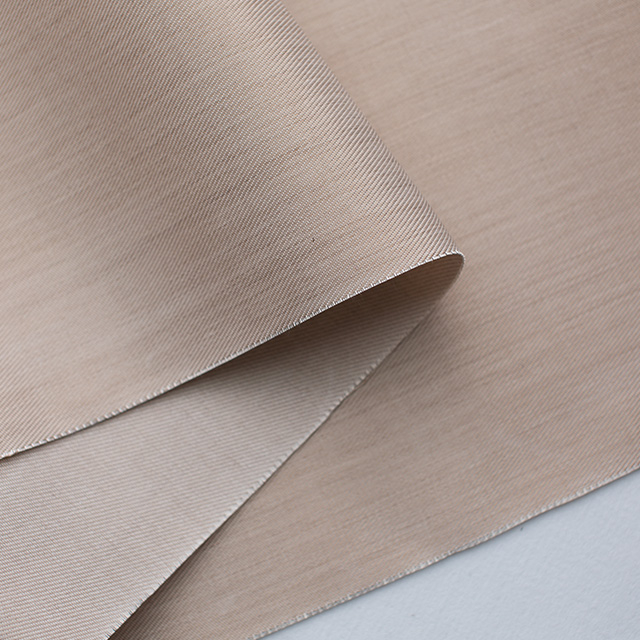
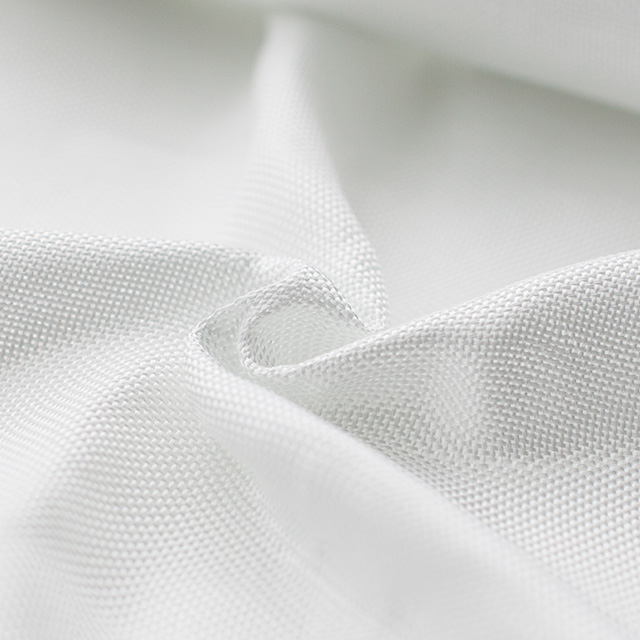
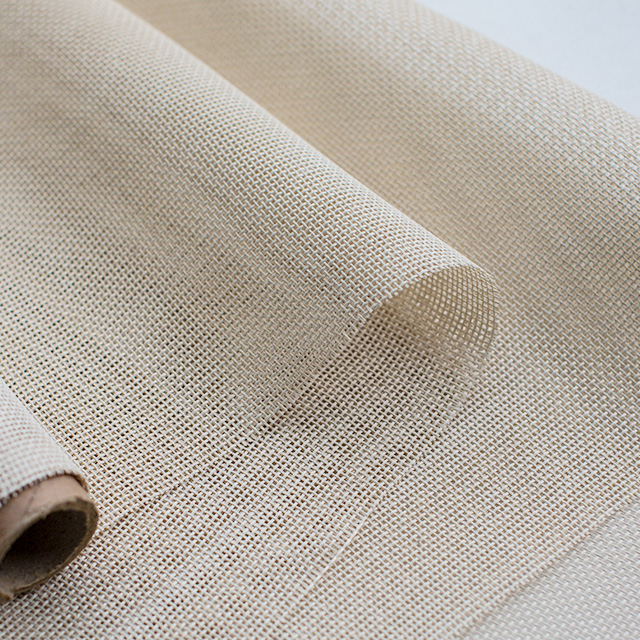
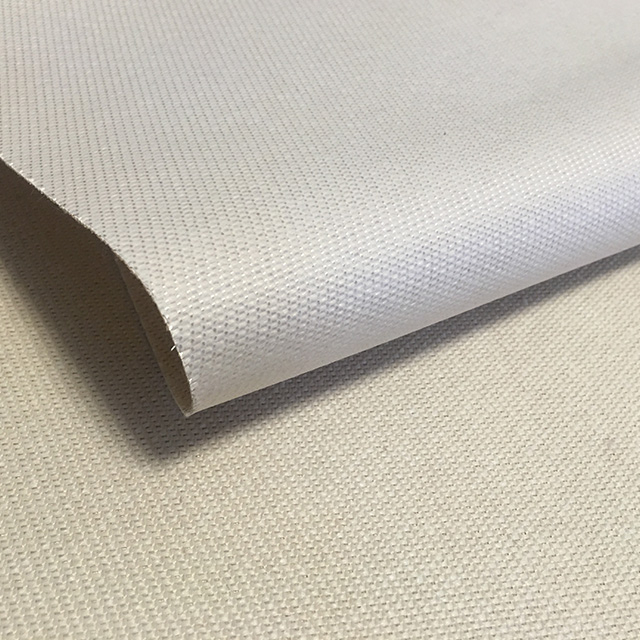
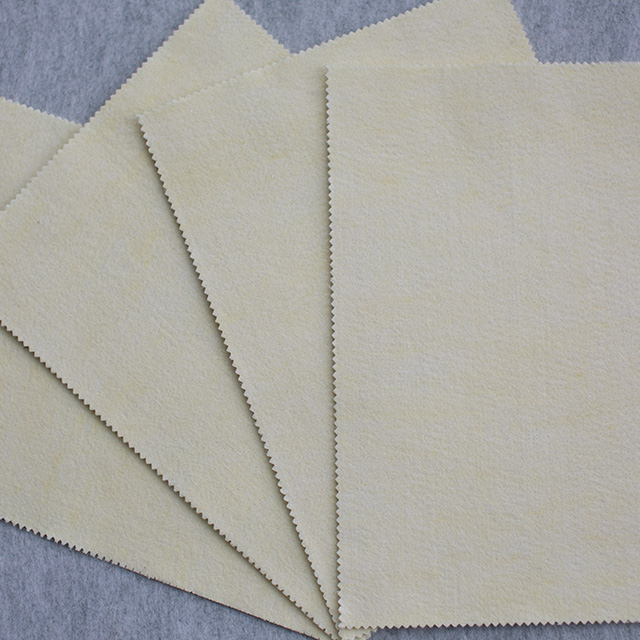
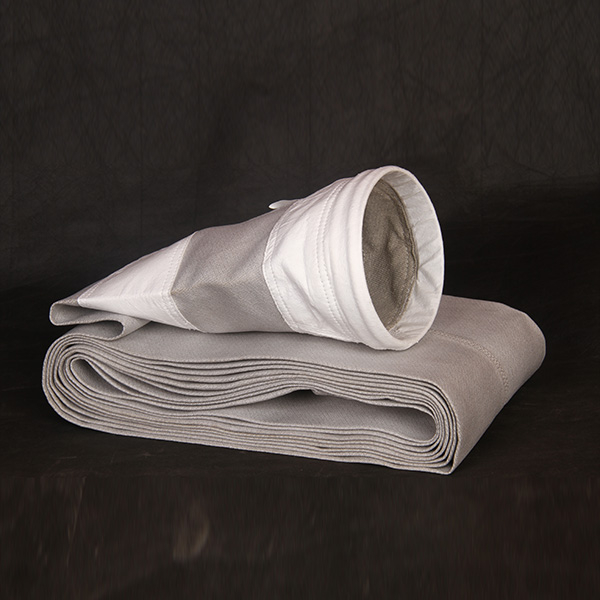
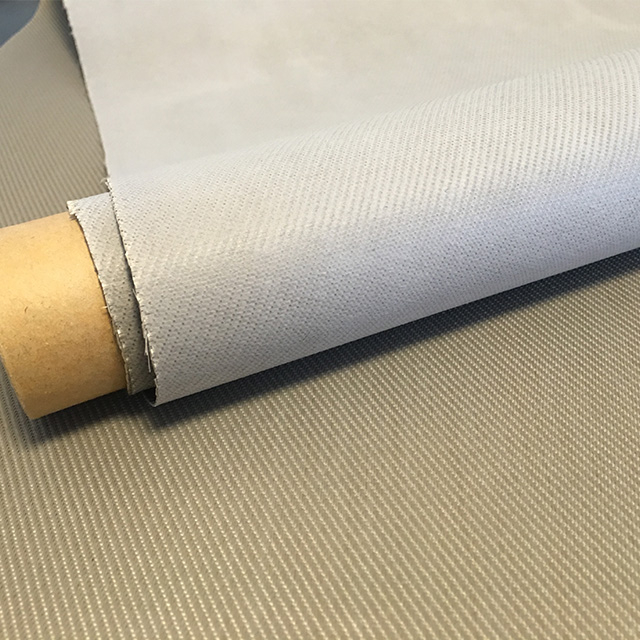
You need something that can handle the tough work in cement production. Fiberglass Filter Fabric is good for this job because it can resist heat and acid. It also filters well and lasts a long time. Many cement plants use this fabric in kilns and dust collectors. It lets go of dust easily and lasts two to three times longer than polyester or aramid. If you pick Fiberglass Filter Fabric, you spend less on repairs and your work goes smoothly.
Fiberglass Filter Fabric can handle very high heat, up to 300°C. This makes it great for cement kilns. You do not need to replace it often.
This fabric does not get damaged by acids or harmful gases. It lasts longer and keeps your equipment safe from harm.
Fiberglass Filter Fabric can filter out 99.9% of dust and dirt. This helps cement plants follow rules and keeps the air cleaner.
Using Fiberglass Filter Fabric can help you save money. It cuts down on repairs and stops work from being delayed. This helps everything run better.
You can change the Fiberglass Filter Fabric to fit your needs. You can pick the shape, size, or add special coatings to make it work better.
Cement plants get very hot. Fiberglass Filter Fabric works well in heat. Other materials can break at high temperatures. This fabric keeps working up to 260°C (500°F). It can handle even higher peaks above 280°C (536°F). Here is a simple comparison:
Continuous Operation | Peak Temperature |
|---|---|
160-240°C (320-464°F) | 220-280°C (428-536°F) |
Up to 280°C (536°F) | Up to 300°C (572°F) |
Up to 260-300°C | Not specified |
Fiberglass Filter Fabric does as well or better than other filters. You do not need to change filters often. Your plant keeps running without problems.
Tip: Fiberglass Filter Fabric is great for cement kilns and pulse-jet baghouses. It handles heat better than polyester or PPS.
Cement plants make dust and gases that can hurt filters. Sharp minerals like silica and alumina are in the dust. Gases like SO₂ and NOx can cause damage. Humid air makes corrosion worse. Fiberglass Filter Fabric does not get damaged by these chemicals.
Cement dust has rough minerals.
Corrosive gases are found in cement plants.
Fiberglass Filter Fabric stops oxidation and corrosion.
Your filter lasts longer. Your equipment stays safe.
You want clean air and to follow rules. Fiberglass Filter Fabric catches tiny dust and bad pollutants. It stops 99.9% of particles from getting out. You meet rules like NESHAP and MACT. Keeping baghouses clean helps control emissions. This filter makes it easier.
Filters with high efficiency catch pollutants.
You protect the environment and follow rules.
Fiberglass Filter Fabric helps control air pollution.
Benefit | Description |
|---|---|
Dust Control | Fiberglass filter bags keep dust low and your plant working well. |
Environmental Compliance | Filters help you meet rules and avoid fines. |
Air Quality Improvement | Fine fibers catch tiny particles for cleaner air. |
Cost-Effectiveness | Strong filters last longer and save money. |
You want filters that last a long time. Fiberglass Filter Fabric can last 18 to 36 months. This is longer than synthetic fabrics. You spend less time and money fixing things. The fabric does not wear out fast. It resists corrosion and heat. You get fewer problems and more work done.
Longer filter life means less downtime.
Tough fabric needs less fixing.
High-density weave stops damage.
Note: Picking the right filter helps your equipment work better and last longer.
Fiberglass Filter Fabric saves you money. It lasts about two years. You change filters less often. Less downtime means more work gets done. Unplanned changes can cost a lot, up to $250,000. A good filter helps avoid these costs. Maintenance is easier and you do not replace filters often.
Aspect | Fiberglass Filter Fabric | Other Filtration Materials |
|---|---|---|
Average Service Life | 2 years | 1-5 years |
Downtime for Change-outs | 24 hours | Varies |
Cost of Unplanned Change | $250,000 | Varies |
Maintenance Complexity | High | Varies |
You help the environment too. Fiberglass Filter Fabric meets ISO9001, ISO14001, and ISO45001. You make air cleaner and workplaces safer.
The filter stops 99.9% of particles.
You follow strict rules.
You save money and make your plant work better.
Cement plants get very hot. You need a filter that can handle this heat. Fiberglass Filter Fabric works well from 260°C to 300°C. It does not lose its shape or stop working when it gets hot. Polyester filter fabric cannot take as much heat. Polyester starts to break down and melt in cement kilns. Fiberglass Filter Fabric is better for jobs with high heat.
Cement plants also have strong chemicals. Fiberglass can resist acids and harmful gases. Polyester does not protect as well from these things. Fiberglass filters last longer and need fewer changes.
Feature | Fiberglass Filter Fabric | Polyester Filter Fabric |
|---|---|---|
Max Temp Resistance | 260-300°C | 150°C |
Acid Resistance | Excellent | Moderate |
Filter Life | 18-36 months | 12-18 months |
Cost | Moderate | Low |
Tip: Pick fiberglass for cement kilns and baghouses. You will not need to change filters often. You save money over time.
Nomex filter fabric can also work in hot places. Nomex can handle heat up to 200°C. Fiberglass Filter Fabric can take even more heat, up to 300°C. Fiberglass gives you better heat protection.
Nomex can resist some acids. But it does not protect as well as fiberglass. Nomex filters wear out faster with cement dust and gases. Fiberglass Filter Fabric lasts longer and keeps your plant working.
Feature | Fiberglass Filter Fabric | Nomex Filter Fabric |
|---|---|---|
Max Temp Resistance | 260-300°C | 200°C |
Acid Resistance | Excellent | Good |
Filter Life | 18-36 months | 12-24 months |
Cost | Moderate | High |
Fiberglass saves you money. You do not spend as much on repairs or new filters. You get better filtering and longer use.
Note: Fiberglass Filter Fabric gives you the best mix of heat resistance, chemical safety, and cost savings for cement jobs.
You must take care of your filters. This helps them work well. Check filters often by looking at them. Look for leaks or damage. Also check if air flows right. Change filter bags before they break. Watch the differential pressure (ΔP). If ΔP goes up, clean the filter. Make sure hoppers remove dust as they should. Use dry and clean air for pulse-jet systems. Write down how long bags last. Record cleaning cycles and ΔP changes. These steps help you stop downtime. Your plant keeps running smoothly.
Maintenance Practice | Description |
|---|---|
Regular Inspections | Look for leaks, damage, and airflow problems. |
Preventive Bag Replacement | Change bags before they break. |
Monitoring Differential Pressure (ΔP) | Watch ΔP to find cleaning needs. |
Dust Discharge | Make sure hoppers remove dust. |
Compressed Air System | Use dry, clean air for cleaning. |
Keep Records | Write down bag life and cleaning cycles. |
Tip: Good care makes filters last longer and air cleaner.
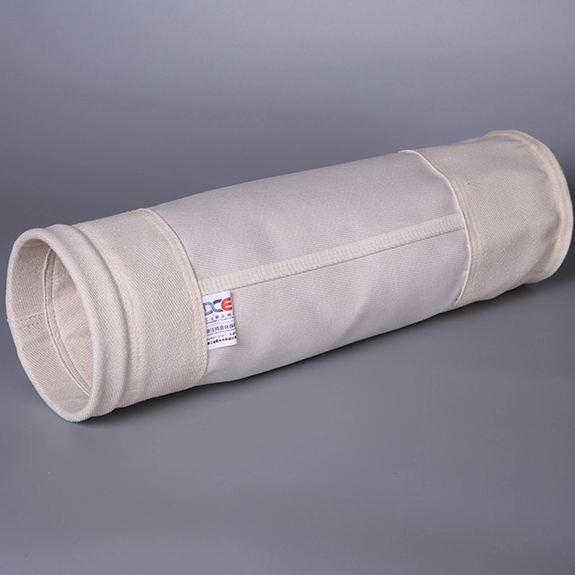
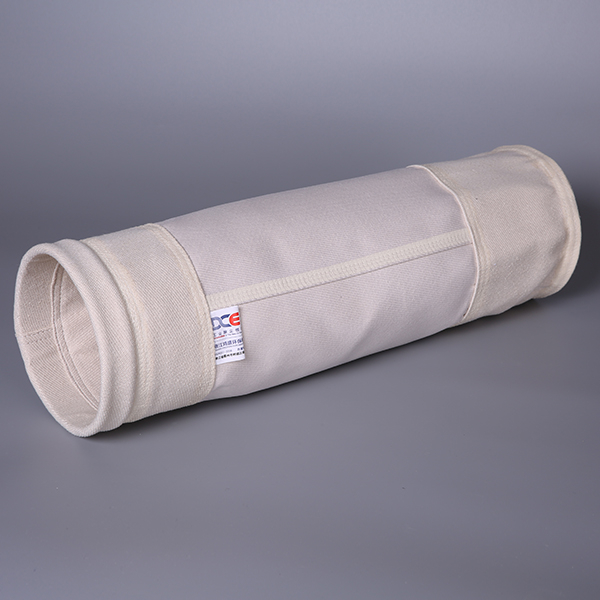
Fiberglass Filter Fabric is used in many cement plant areas. It works in preheater and kiln exhaust systems. These places get very hot, up to 280°C. You also see it in dust collectors and baghouses. The fabric helps control dust and keeps air clean. It helps you follow environmental rules. The filter catches up to 99.99% of emissions. PTFE seam tape stops dust from leaking through holes. The design lowers emission spikes during cleaning. You protect the environment and meet rules like NESHAP.
Preheater and kiln exhaust systems
Dust collectors and baghouses
Air filtration for cement production
Feature | Description |
|---|---|
Emission Capture Rate | Catches up to 99.99% of emissions. |
Dust Leakage Prevention | PTFE seam tape stops dust leaks. |
Emission Spikes Reduction | Design lowers emissions during cleaning. |
Bag Life Extension | Seam tape helps filter bags last longer. |
You can change Fiberglass Filter Fabric to fit your plant. Pick the shape and size you need. Adjust the mouth ring for better sealing. Change the top and bottom for more function. Choose surface treatments like PTFE coating, silicone oil, or graphite. PTFE coating protects from harmful gas and helps filter better. Silicone oil treatment makes the bag resist water and oil. Graphite treatment gives antistatic protection and helps in high heat. These choices help your filter work better and last longer.
Customization Feature | Description |
|---|---|
Shape | Pick the shape you need. |
Size | Adjust size for different jobs. |
Mouth Ring | Change mouth ring for better sealing. |
Top and Bottom Design | Change design for more function. |
Surface Treatments | PTFE, silicone oil, graphite for better use. |
Note: Custom filters fix special problems in cement plants. They help you reach your goals.
You want your cement plant to work well. Fiberglass filter fabric works hard and lasts a long time. It helps you save money. You will have less downtime. The air in your plant will be cleaner. Here is how the main benefits compare:
Advantage | Description |
|---|---|
Superior Performance | Works better than regular filter bags in cement jobs. |
Durability | Stands up to wear and lasts longer. |
Lower Operating Costs | Helps you spend less to run your plant. |
Pick fiberglass filter fabric to keep your plant working well and easy.
Fiberglass filter fabric can handle high heat. It lasts a long time in cement plants. You do not need to fix it often. This means you can focus more on making cement.
Check your filter bags every few months. Most fiberglass filter bags last from 18 to 36 months. Change them if you see any damage or if they stop working well.
Yes, fiberglass filter fabric can resist acids and harmful gases. It works well in cement plants with lots of chemicals.
Fiberglass filter fabric helps the environment. It catches up to 99.9% of dust and pollution. You meet air quality rules and keep your workplace safer.