Views: 0 Author: Site Editor Publish Time: 2026-04-11 Origin: Site


When you choose fiberglass filter fabric, you have to think about a few key things. You should look at the operating temperature, chemical resistance, dust type, air-to-cloth ratio, and if the filter fits your baghouse system. If you match these things to your workplace, you can stop problems during filtration. Check the table below for the main things to look for:
Selection Criteria | Description |
|---|---|
Operating Temperature | Makes sure the fabric can handle the heat from your work. |
Pore Size/Mesh Count | Controls how small the particles are and how fast air moves through. |
Coating Type | Keeps the fiberglass safe from harm, especially when it gets very hot. |
Weave Density & Thickness | Balances how strong the fabric is and how well it filters. |
Dimensional & Shape Stability | Helps the filter keep its shape while you use it. |
Strength (Room & High Temp) | Stops the filter from breaking when you move or put it in. |
Knowing these things will help you not make mistakes and choose fiberglass filter that is right for what you need.
Think about how hot your filter will get. Pick a filter that can take the heat at your job so it does not break.
Look at how well the filter stands up to chemicals. Choose coated filters if you work with strong chemicals so they last longer.
Make sure the filter matches your dust type. Use thick filters for big, rough dust and thin filters for tiny dust.
Check the air-to-cloth ratio. A lower ratio helps the filter work better and last longer.
Make sure the filter fits your baghouse system. The right size works better and saves money on repairs.
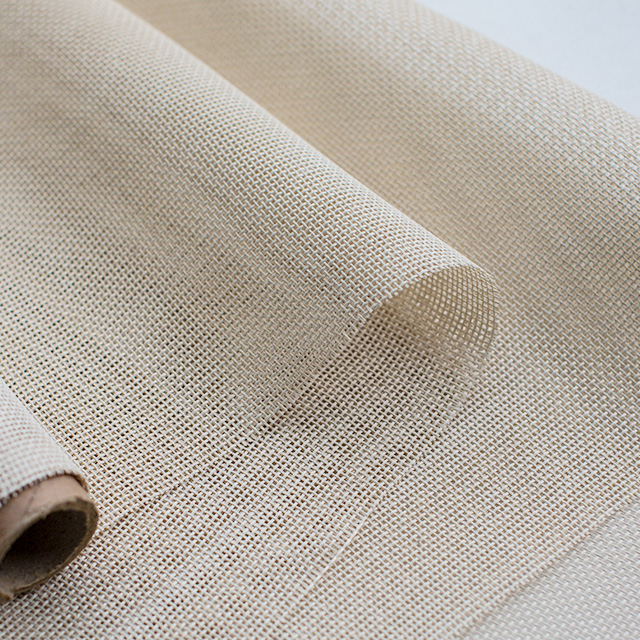
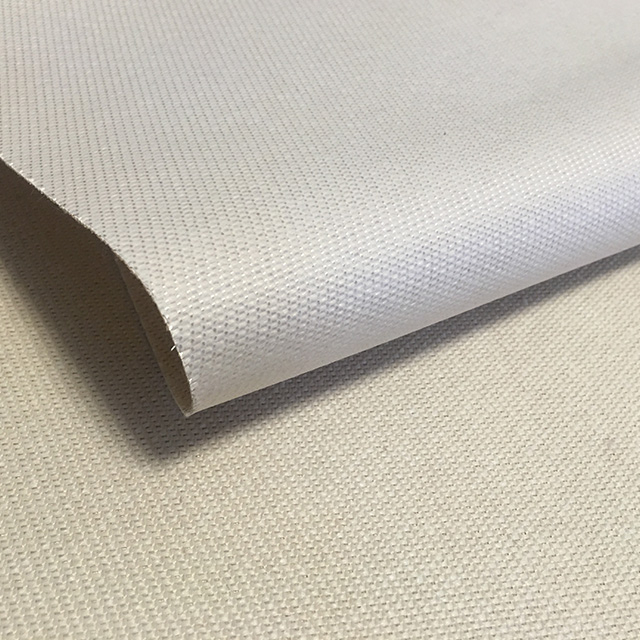
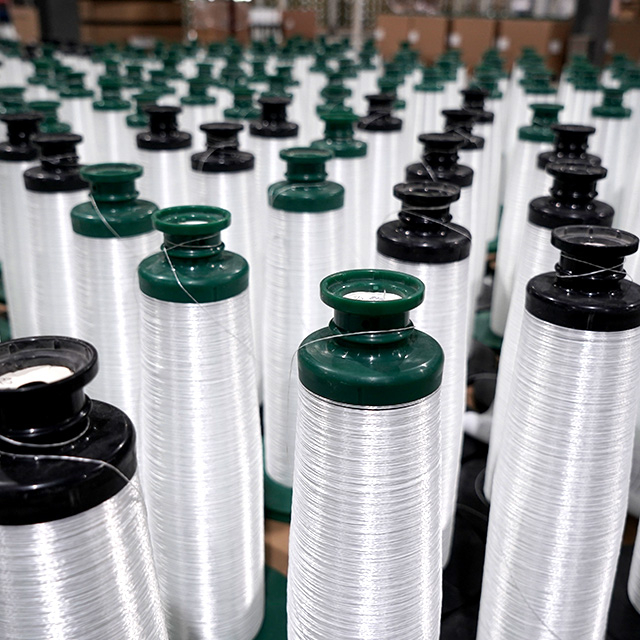
Fiberglass mesh filters are made by weaving or layering thin glass fibers. These fibers make the material strong and bendy. Most industrial fiberglass mesh filters have fibers that are 2 to 4 microns wide. The weight is usually between 100 and 300 grams for each square meter. This design lets the filter work in very hot places, sometimes up to 400°C. You can see the main features in the table below:
Specification | Details |
|---|---|
Fiber Diameter | 2-4 microns |
Weight | 100-300 g/m² |
Operating Temperature | Up to 400°C |
Chemical Resistance | Strong against acids, bases, solvents |
Filtration Efficiency | Up to 99.9% (for particles ≥0.3 micron) |
How you put the fibers together changes how well the filter works. Nonwoven fiberglass mesh filters usually catch more particles than woven ones. For example, nonwoven filters can trap 36.8% to 61.9% of particles. Woven filters can trap 16.8% to 24.4%. If you use high voltage, nonwoven filters can reach up to 83.3% efficiency.
When picking fiberglass mesh filters, look at these important things:
High strength and low stretch help the filter stay in shape.
High filtration precision lets you catch tiny particles and clean the air.
Thin and bendy material makes it easy to put in and clean.
The filter does not rust or break down easily, so you can use it in tough places.
Great flex resistance means the filter lasts longer, even if you clean it a lot.
Coatings that keep water and oil away help stop the filter from getting blocked.
Tip: Always pick a filter with the right properties for your job. This helps the filter work better and last longer.
There are many kinds of fiberglass mesh filters. Each kind works best for certain jobs. You need to know what each filter can do. This helps you pick the right one for your work. The characteristics decide how well the filter works. They also decide how long it lasts and where you can use it.
You can pick woven or non-woven fiberglass mesh filters. Each kind has its own features. Woven filters are strong and do not tear easily. Non-woven filters catch tiny particles better. The table below shows the main features of both types:
Feature | Woven Fabrics | Non-Woven Fabrics |
|---|---|---|
Durability | More durable and resistant to tearing | Less durable, suitable for single-use |
Filtration Efficiency | Better for precise particle separation | Excellent for capturing fine particles |
Woven filters are good when you need strength and long life. Non-woven filters are best for catching small particles.
You should also look at coated and uncoated filters. Coated filters have special layers. These layers help the filter resist chemicals. They also make the filter last longer. The table below explains the features of coated and uncoated filters:
Filter Type | Chemical Resistance | Lifespan Impact |
|---|---|---|
Coated Fiberglass Filters | Superior chemical and corrosion resistance | Long service life in harsh environments |
Uncoated Fiberglass Filters | Degrades over time with aggressive chemicals | Shorter lifespan due to chemical exposure |
If you work with strong chemicals, pick coated filters. These filters keep working well even in tough places.
You need to match the filter to your job. Woven filters are used in many industries. These include pharmaceuticals, food and beverage, petrochemicals, mining, and wastewater treatment. These jobs need filters that are strong and resist chemicals. Non-woven filters are good for catching very small particles. Fiberglass mesh filters work well in hot places. You see them in cement plants, steel factories, coal-fired power plants, and incinerators. These filters keep working even when it is very hot.
Tip: Always check the features of each filter before you choose. This helps you get the best filtration and longest life for your system.
When you pick a fiberglass filter, you should think about a few important things. Each thing can change how well your filter works and how long it lasts. If you only care about price, you might miss something important. This could make your filter break or cost more later. Let’s talk about each thing and how it matters.
Temperature is very important when picking a fiberglass filter. Each kind of fiberglass can handle a different amount of heat. If you use the wrong kind, the filter can get weak or break. The table below shows how much heat each fiberglass type can take:
Fiberglass Type | Continuous Operating Temperature (°C) |
|---|---|
High-Silica | > 1000 |
Medium-Silica | 800 |
E-glass | 550 |
C-glass | 500 |
You can also see the differences in this chart:

If your work uses a lot of heat, pick high-silica fiberglass mesh filters. For less heat, E-glass or C-glass can work. Always choose a filter that matches the hottest part of your system. This keeps your filter safe and strong.
You need to check chemical resistance before picking a fiberglass filter. Some chemicals can hurt fiberglass, especially with heat and wet air. Fiberglass works well in many places, like incinerators, because it can handle hot, dirty gases and keep working. It also lasts a long time and helps you follow emission rules.
Here is how fiberglass compares to other filter materials:
Property | Fiberglass | PPS | PTFE |
|---|---|---|---|
Max. Temp. (Continuous) | 260°C | 190°C | 260°C |
Chemical Resistance | Good | Excellent (acids/bases) | Excellent (universal) |
Mechanical Strength | High | Moderate | Low |
Abrasion Resistance | Moderate | Good | Poor |
Cost | Moderate | High | Very High |
Surface Treatment | Required (e.g. PTFE) | Optional (laminated) | Fully PTFE-based |
Some chemicals can still damage fiberglass mesh filters. Watch out for:
Hydrolysis, which happens with heat and wet air.
High-temperature hydrolysis at 230°C and 15% humidity.
Filters that get brittle and weak in these conditions.
To keep your filter safe:
Test your filter bags often to check their strength.
Try not to use them in heat and wet air for too long.
Use filters with special coatings in tough places.
If you pick fiberglass filter with the right coating, it can work better and last longer.
The kind of dust in your system changes what filter you need. Some dust is sharp or heavy and can wear out the filter fast. You should look at the weight, thickness, and strength of fiberglass mesh filters to match your dust type. Here is a table with some options:
Model No. | Weight (g/m2) | Thickness (mm) | Tensile Strength (N/25mm) | Bursting Strength (N) | Air Permeability (dm³/m2.s) @200Pa | Temperature (°C) | Construction |
|---|---|---|---|---|---|---|---|
ZFE-300 | 315 | 0.3±0.03 | 1980 | 1560 | 700 | 180~320 | Twill |
ZFE-400 | 420 | 0.4±0.04 | 2080 | 1790 | 820 | 160~320 | Twill |
ZFE-500 | 540 | 0.5±0.05 | 2254 | 2205 | 940 | 180~300 | Double filling weave |
ZFE-600 | 620 | 0.6±0.06 | 2380 | 2380 | 1080 | 190~310 | Double filling weave |
ZFE-700 | 720 | 0.7±0.07 | 2460 | 2420 | 1200 | 180~300 | Double filling weave |

If you have rough dust, pick a thicker and stronger filter. This helps your filter last longer and work better. For tiny dust, use a filter with smaller holes to catch more dust.
The air-to-cloth ratio tells you how much air goes through each square meter of filter. If this number is too high, the filter can get too full. This makes it work less well and you have to clean or change it more. If you keep the number low, you catch more dust and your filter lasts longer.
You should always check how much air and dust your system has. Change the air-to-cloth ratio to fit your needs. This helps your filter work its best and keeps your system running well.
Tip: A good air-to-cloth ratio helps your filter work better and saves money.
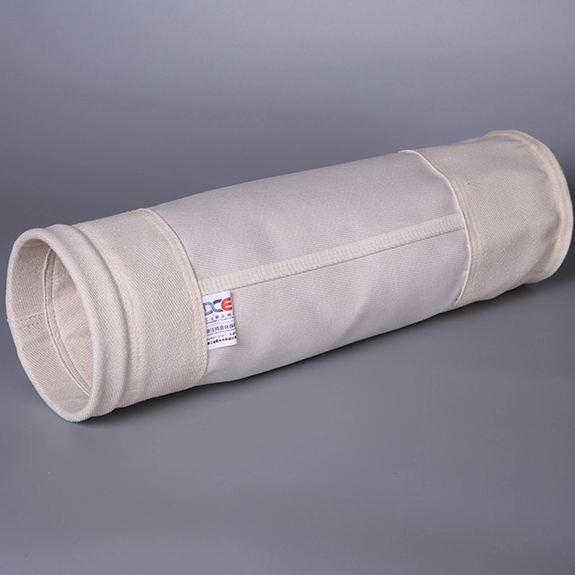
Not every filter fits every baghouse. You need to make sure the fiberglass mesh filters you pick work with your system. Fiberglass filters work well in these baghouse types:
Reverse-air baghouses
Pulse-jet baghouses
Shaker-style baghouses, especially with high heat
Check your baghouse design before picking a fiberglass filter. The right filter gives you better results and lasts longer.
Note: If you do not check if the filter fits your system, you could have bad filtration and spend more money.
When you pick a fiberglass filter, always look at these five main things. Do not just think about the price. If you match the filter to your heat, chemicals, dust, airflow, and baghouse, you get the best results. This keeps your system safe, works well, and saves money.
You must pick the right filter for your job. First, know what your project needs. Think about how hot it gets, what kind of dust you have, and what chemicals are there. Fiberglass mesh filters work best when used in the right spot. Always check if the filter fits your dust collector. Make sure the size and shape are correct. Look at how much dust the filter can handle. If you use the wrong filter, your equipment might not work well or could get damaged.
Tip: Make sure the filter can take the hottest temperature in your process. This helps stop the filter from failing too soon.
Do not choose a filter that is too strong or too weak. If the filter is too strong, you waste money. If it is too weak, it will not last long and will not clean well. People often make mistakes like not checking the real temperature, forgetting about chemical resistance, or only thinking about price. Here are some mistakes to avoid:
Not checking the real temperature in your system.
Forgetting about the chemicals in your flue gas.
Picking by price only, not by how well it filters or how strong it is.
Choosing a filter that does not fit your dust collector.
Not asking experts for help.
The best fiberglass filter balances cost, how well it filters, and how long it lasts.
Always look at the manufacturer’s details before buying. Check for important things that show if the filter will work for you. The table below lists what to look for:
Key Detail | Description |
|---|---|
Heat Resistance | Can the filter work below 280°C for a long time? |
Dust Peeling Performance | Does it use less power for ash removal? |
Size Stability | Will the filter keep its shape at high temperatures? |
Chemical Resistance | Is it stable against most chemicals? |
Moisture Absorption | Does it resist moisture and humidity? |
Filtering Efficiency | Can it capture dust below PM2.5 with high filtration efficiency? |
Strength | Does it have high tensile strength over 3000N/5*20cm? |
Note: Filters that are strong and filter well give you better results and last longer.
If you follow these tips, your fiberglass filter will work better. You will also avoid common mistakes and get better filtration.
When you pick fiberglass filtration, you should look at every detail. Check the main things like temperature, chemical resistance, and how well it filters. If you match the fiberglass filtration to your needs, you get many good things for a long time:
Benefit | Description |
|---|---|
Improved Filtration Efficiency | Makes sure liquid and solid are separated well by using the right pore size. |
Lower Operating Costs | Saves energy, lowers how often you fix it, and cuts down on work costs. |
Extended Service Life | Makes it easy to clean and stops clogging or blocking. |
Optimized Product Quality | Keeps the filter working well so it meets what your job needs. |
Reduced Downtime | Lets you use your equipment more because the filter lasts longer. |
You can make fiberglass filtration better if you do not make these mistakes:
If you ignore the material type, the filter may not work as well.
If you forget about air moving through, the filter might not clean as much.
If you do not keep up with cleaning, the filter will not work as well.
If you are not sure, ask suppliers or experts for help. Making careful choices helps you get the best results with fiberglass filtration.
Fiberglass filter fabric can handle high heat. It also stays strong with many chemicals. This makes it good for hard jobs in factories and power plants.
You can clean fiberglass filter bags by shaking them. You can also use reverse air or pulse-jet cleaning. Always read and follow what the manufacturer says to do.
No, you should not use fiberglass filters for wet dust. Water can hurt the fibers. This makes the filter not last as long.
A fiberglass filter usually lasts one to five years. How long it lasts depends on the heat, the kind of dust, and how you clean it.