Views: 0 Author: Site Editor Publish Time: 2026-04-20 Origin: Site


When you look at polyester filters and Fiberglass Filter Fabric, you see that polyester filters usually work better for cleaning air. Polyester filters can catch over 95% of particles at first. They can also hold almost twice as many particles as fiberglass filters. Polyester filters cause less pressure drop, so your air system runs smoother. If you want to save money and only need basic air cleaning, fiberglass is a good choice. You should think about what is most important to you. Do you want high air cleaning, longer filter use, or less air system care? Maybe you do not want to change filters often or you worry about allergies. The best filter depends on what you need for air quality and where you use it. Always check what your air system needs before you pick a filter.
Polyester filters catch more than 95% of particles. This helps make the air cleaner and removes more allergens.
Fiberglass filters cost less at first but need to be changed often. Over time, this can cost more money.
Pick polyester filters for homes and offices. They help lower allergies and make the air better with less work.
Fiberglass filters are good for factories with lots of heat and dust. But they can bother your skin and lungs.
Think about what you need, like how clean you want the air and how long the filter lasts, before you pick polyester or fiberglass filters.
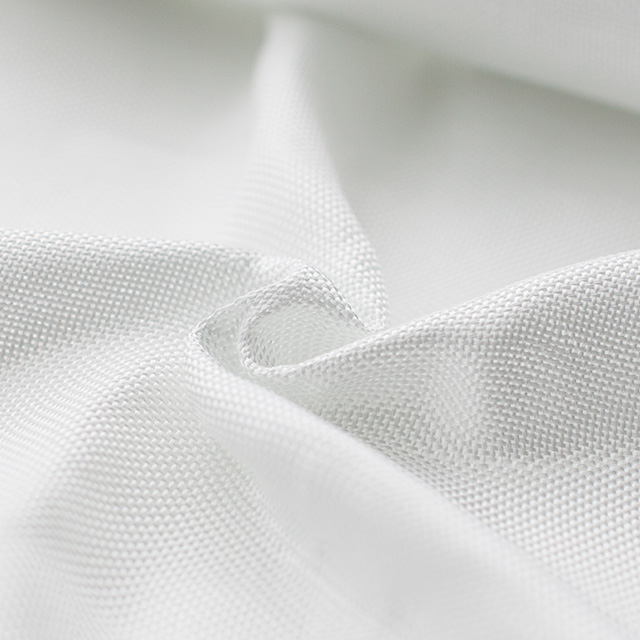
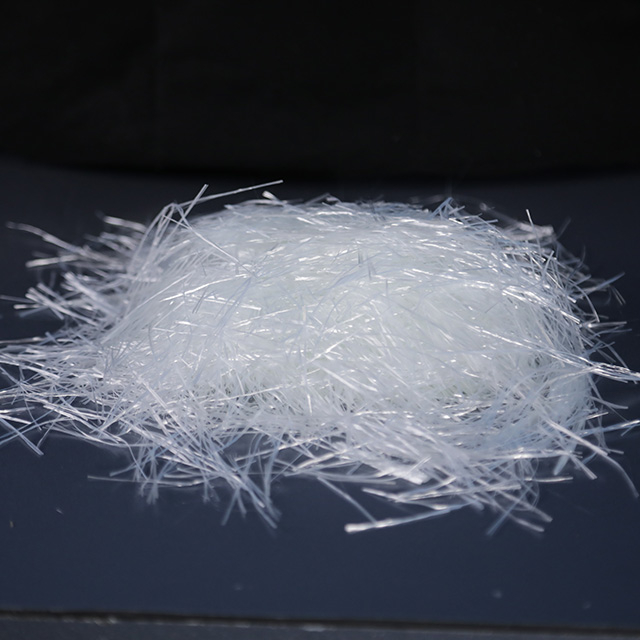
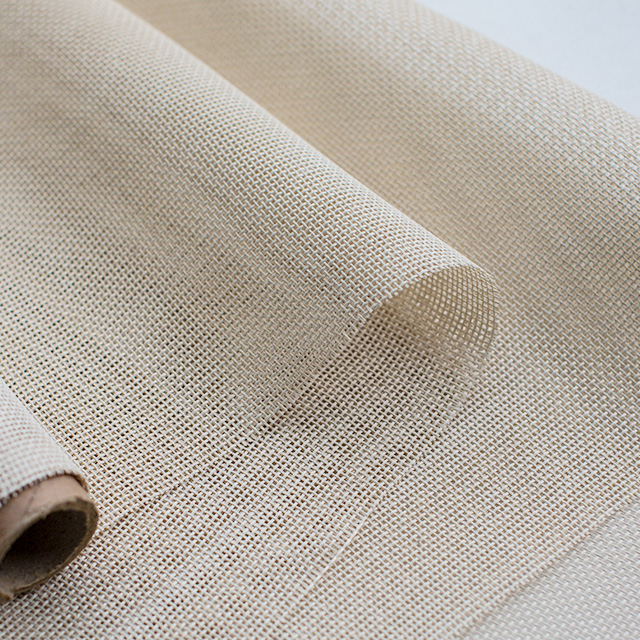
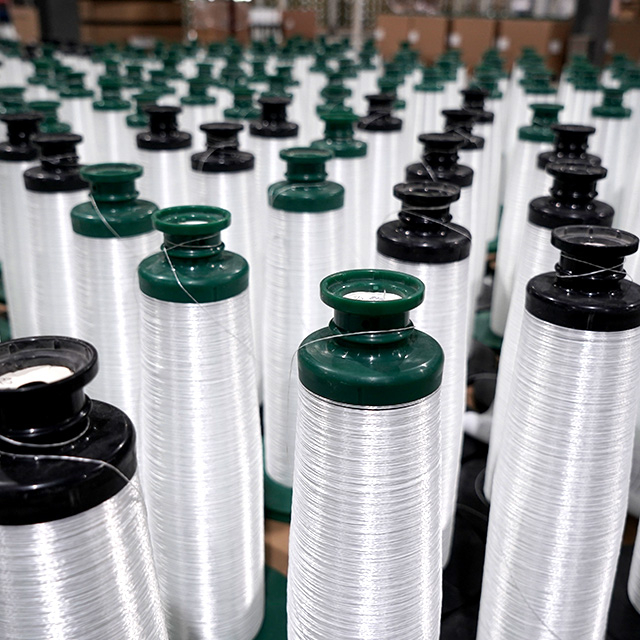
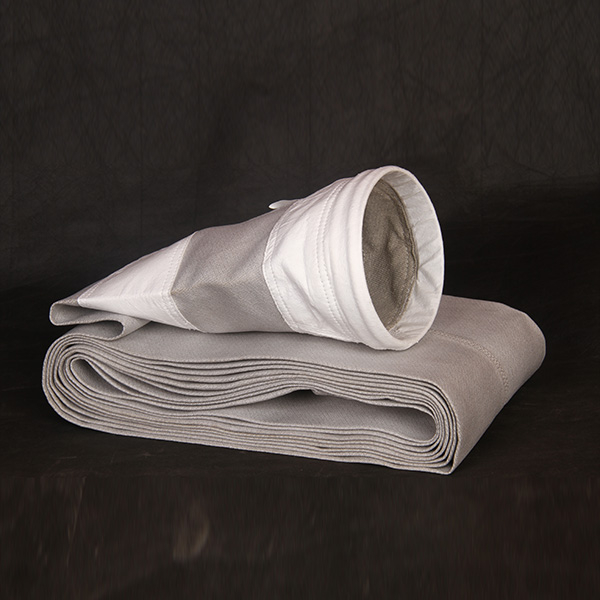
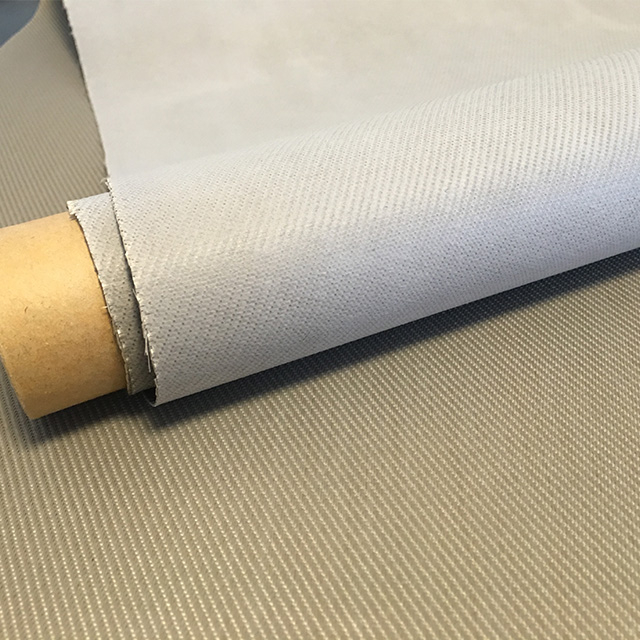
Fiberglass filter fabric is made from tiny glass fibers. These fibers are woven together to make the fabric. Fiberglass has many strong features. It can handle tough places. You can use it where there is heat, chemicals, or lots of dust. Many factories and industrial sites pick fiberglass for these reasons.
Here is a table that shows the main properties of fiberglass filter fabric:
Property | Description |
|---|---|
High strength | Glass fiber is very strong. It can handle big forces and heavy loads. |
High-temperature resistance | Glass fiber can take high heat. It works well in hot places. |
Corrosion resistance | It does not get damaged by acids, bases, or some chemicals. |
Wear resistance | It lasts a long time even when rubbed or used a lot. |
Lightweight | It is not heavy. This helps when you need something light. |
Insulating properties | It keeps heat and electricity from passing through. It is used in power and electronic devices. |
Fiberglass filter fabric works well where other materials do not. It does not break down fast. You can count on it to last in harsh places. But fiberglass can feel rough. It may lose tiny fibers. You should be careful when you touch it.
Tip: Always wear gloves and a mask when you handle fiberglass filters. This keeps your skin and lungs safe from irritation.
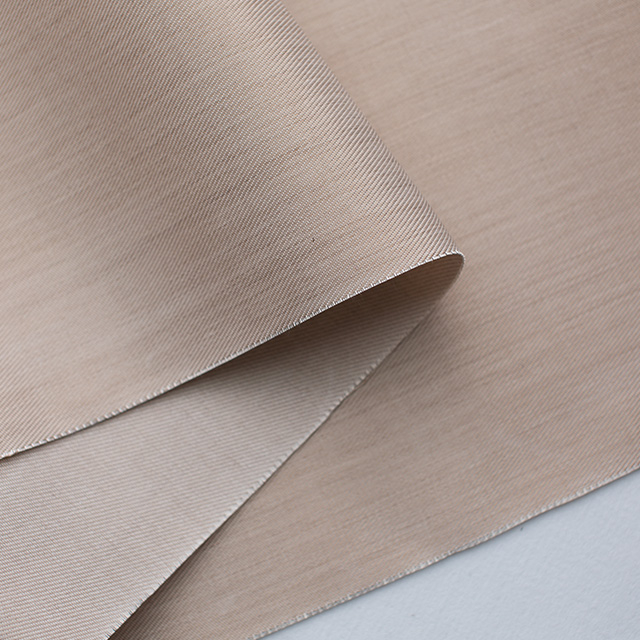
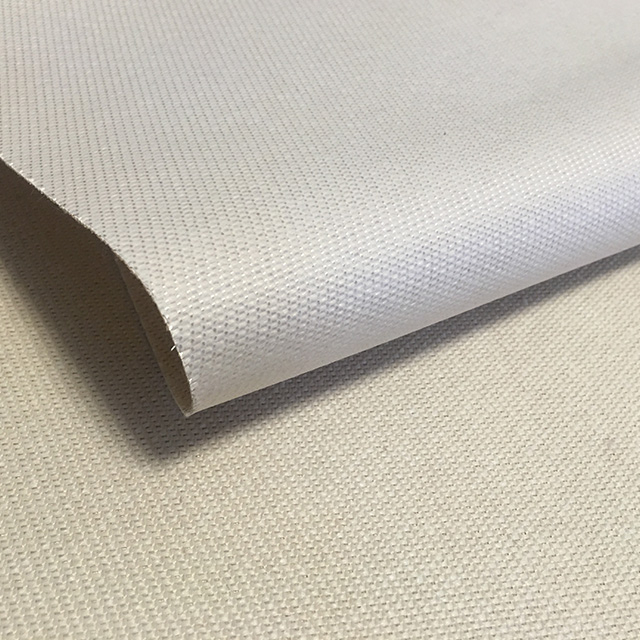
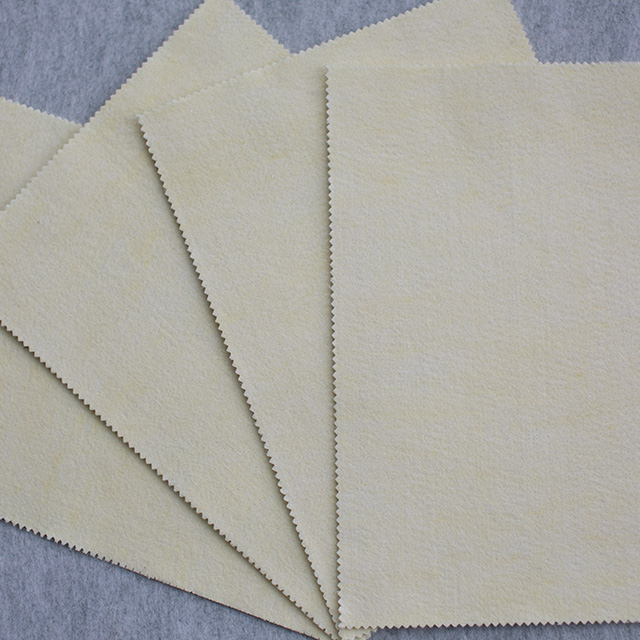
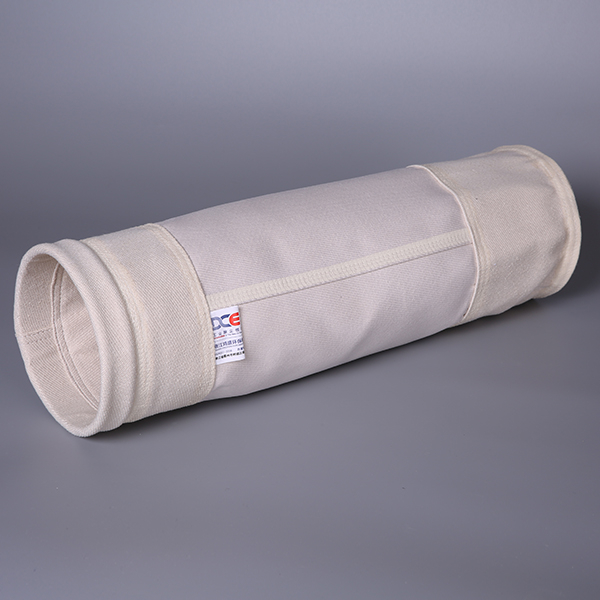
Polyester filter fabric is made from man-made fibers. These fibers feel soft and smooth. Polyester filters are used in homes and offices. You can use them for air and liquid filtration.
Polyester is good because it does not get ruined by water. It stays strong when wet. Some polyester filters can be washed and used again. This helps you save money over time. Polyester does not lose fibers like fiberglass. It is safer for people with allergies or asthma.
You can cut polyester filter fabric to fit many shapes and sizes. It stays strong even after you use it many times. Polyester filters trap more dust and tiny particles. You get cleaner air and less dust in your space.
Note: If you want a filter that lasts longer and is easy to take care of, polyester is a smart choice for most homes and offices.
When you pick an air filter, you want it to catch dust and tiny particles. This is called filtration efficiency. Fiberglass filter fabric can trap 85% to 95% of particles at first. Polyester filter fabric usually does even better. It can capture more than 95% of particles. The fibers in polyester are packed close together. This makes polyester filters catch smaller and more harmful particles. These particles might get through fiberglass.
Polyester filters keep your air cleaner for longer. They do not clog as fast. So, they keep working well. Fiberglass filters can lose their ability to trap particles faster. This happens more in dusty places. If you want the best filtration efficiency for your home or office, polyester is a good choice.
Here is a quick comparison:
Filter Type | Initial Particle Capture | Fiber Structure | Best For |
|---|---|---|---|
Fiberglass | 85% - 95% | Loosely woven | Basic dust removal |
Polyester | Over 95% | Densely woven | Fine particle capture |
Tip: If you have pets or live in a city with lots of dust, you will get better results with polyester filters. They have higher efficiency.
Allergens like pollen, pet dander, and mold spores can make you sneeze or feel sick. You want a filter that removes these from the air. Filtration efficiency is important here. Polyester filters trap allergens better because they have a tighter weave. This means fewer allergens get into your home or office.
Fiberglass filters can catch some allergens. But they may let smaller ones pass through. If you or your family have allergies, pick a filter with high efficiency. Polyester filters help you breathe easier. They keep your space healthier.
Use this checklist to help you decide:
Do you or your family have allergies?
Do you want cleaner air with fewer allergens?
Do you want a filter that keeps working well for longer?
If you answer "yes" to any of these, polyester filters will likely fit your needs better. They offer higher filtration efficiency and help protect you from common allergens.
Fiberglass filters do not last very long. You usually need to change them every month. This helps keep your air clean. Many things can make fiberglass filter fabric wear out faster. Air flow or handling can cause stress. Dust can fill up the filter quickly. Cleaning the filter again and again makes the fibers weak. Hot and wet places can damage the filter.
When you put in a new fiberglass filter fabric, the fibers are strong. Over time, the long fibers get weak faster than the short ones. This makes the filter easier to break or tear. If you use fiberglass filters in hot and wet places, they can get brittle. Heat and moisture can change the fiberglass. These changes make the filter weak and easy to break.
Check your fiberglass filters often. If you see holes or tears, replace them right away. If the filter looks thin, change it. A worn-out fiberglass filter fabric will not clean your air well. It can let dust and dirt pass through.
Tip: Set a reminder to check your fiberglass filters every month. This keeps your air system working well and protects your health.
Polyester filters last much longer than fiberglass filters. You can use polyester filter fabric for two to four years. You do not need to change them as often. If you clean them and install them right, they last even longer. Only replace polyester filters if you see holes, tears, or damage.
Polyester filter fabric works well in tough places. It does not get weak in humid areas. It resists many chemicals better than fiberglass filter fabric. Polyester filters hold more dust before they clog. This gives you steady airflow and better filtration for a longer time.
Here is a table that shows how polyester filters compare to fiberglass filters in different conditions:
Characteristic | Polyester Filters | Fiberglass Filters |
|---|---|---|
Humidity Resistance | Superior performance in humid conditions | Limited moisture resistance |
Holding Capacity | Higher holding capacity | Limited capacity, clogs quickly |
Filtration Efficiency | Often exceeds 95% | Ranges from 85% to 95% |
Pressure Drop | Generally lower pressure drops | Higher pressure drops |
Polyester filters work better in humid places. They last longer because they do not break down fast. If you want to save time and money, polyester is a smart choice.
Polyester filters:
Last two to four years with normal use
Can be cleaned and reused sometimes
Need replacement only if damaged
Fiberglass filters:
Last about one month
Need frequent replacement
Wear out faster in tough places
Note: If you want fewer filter changes and better long-term value, choose polyester filter fabric for your air system.
You may notice that fiberglass filters cost less when you buy them. Many stores sell fiberglass filters for a lower price than polyester filters. If you want to spend less money right now, fiberglass filters seem like a smart choice. These filters work well for basic air cleaning. You can use them in places where you do not need high merv rating or strong performance.
Polyester filters cost more at first. You pay a higher price for polyester filters because they offer better merv rating and dust holding capacity. These filters trap more particles and last longer. If you want cleaner air and fewer filter changes, polyester filters give you more value.
Tip: If you need filters for a short time or want to save money upfront, fiberglass filters fit your needs. If you want better air quality and longer use, polyester filters are worth the extra cost.
When you look at long-term savings, polyester filters help you save money over time. You do not need to replace polyester filters as often. These filters last two to four years, while fiberglass filters last about one month. You spend less time and money changing filters when you use polyester.
Polyester filters have higher dust holding capacity. They trap more dirt and keep your air system running well. You also get better merv rating and performance. This means you do not need to buy filters as often. You save money on maintenance and replacement costs.
Here is a simple table that shows how replacement frequency and maintenance costs compare:
Filter Fabric | Typical Lifespan | Replacement Frequency | Cost Efficiency Over Time |
|---|---|---|---|
Polyester | 2 – 4 years | Rare | High |
Fiberglass Filter Fabric | 1 month | Frequent | Low |
You can see that polyester filters last longer and need fewer changes. Fiberglass filters cost less at first, but you spend more money replacing them. If you want to save money and time, polyester filters are a smart choice for most homes and offices.
Note: Always check the merv rating and dust holding capacity before you buy filters. These features help you pick the best filter for your needs.
It is important to have clean air indoors, especially if you have allergies. Polyester filters help keep your air safe. They trap more allergens like pollen, dust, and pet dander. The fibers in polyester filters are packed tightly. This makes it easier for your air system to work well. It also keeps more allergens out of the air. You can breathe easier and feel better at home or work.
Fiberglass filters do not catch as many small allergens. Their loose fibers let tiny particles go through. You might sneeze more or get itchy eyes if you use fiberglass filters. This is worse if you have allergies. Polyester filters keep airflow resistance low for a longer time. Your air stays cleaner between filter changes.
Tip: For the best protection from allergens, pick a filter with high filtration efficiency and low airflow resistance. Polyester filters do both.
You need to know about health risks when using fiberglass filter fabric. Studies show fiberglass filters can cause problems if you handle them often or use them for a long time. Here are some risks:
Breathing in fine glass fibers can irritate your lungs.
Touching fiberglass can make your skin itchy.
Breathing in fibers for years can hurt your lungs.
Bad indoor air quality can make breathing harder.
Fiberglass filters can raise airflow resistance as they fill with dust. This makes your air system work harder. It can lower indoor air quality. You should follow safety steps when you handle or cut fiberglass filters:
Wear gloves, goggles, and a respirator to protect yourself.
Use a sharp tool to cut fiberglass and make fewer loose pieces.
Cut over a tarp or safe surface to catch fibers.
Throw away scraps and chemical-soaked materials by local rules.
Wash or throw away protective gear after you use it.
Use a vacuum with a HEPA filter to clean up particles.
Fiberglass and composite manufacturing can release dangerous air pollutants and solid waste. These processes may affect worker health and safety. Many filter bags use synthetic fibers that do not break down easily. They can become a new source of pollution if not disposed of properly.
Always think about your health and the environment when you pick a filter. Polyester filters have lower airflow resistance, better filtration, and fewer health risks for most people.
Fiberglass filter fabric is used in tough jobs. Factories pick it because it handles heat and chemicals well. It also works when there is lots of dust. The table shows where fiberglass filter fabric is used most:
Industrial Environment | Application Description |
|---|---|
Power Plants | Used for flue gas filtration and fly ash collection, ensuring compliance with environmental standards. |
Waste Incineration | Controls smoke and toxic gases, with coatings that enhance cleaning efficiency and filter longevity. |
Steel Manufacturing | Captures fine metallic dust and particulate matter during high-temperature operations for safety and pollution control. |
Cement Plants | Applied in kilns and filtration processes, often treated to improve dust cake release and cleaning efficiency. |
Chemical Plants | Excels in desulfurization and dust removal, maintaining stable performance under high temperatures and corrosive gases. |
Fiberglass filter fabric lasts a long time in hard places. It does not break down fast. You can count on it when things get rough. If your job has high heat or strong chemicals, fiberglass is a good choice.
Polyester filter fabric is used in many factories too. It works best where the air is not too hot or full of chemicals. Polyester filters are strong and help save money. They work well in food factories, woodworking shops, and light manufacturing. Do not use polyester filters in places with high heat or strong chemicals.
You want clean air at home or in your office. Polyester filters are the best for most homes. They trap more dust, pollen, and pet hair. You will sneeze less and have fewer allergy problems. Polyester filters last longer, so you do not change them often. This saves you time and money.
Fiberglass filters cost less when you buy them. You might use them at home if you only need basic dust removal. But they do not catch tiny particles well. If you have pets or allergies, polyester filters are better. You will breathe easier and your air system will work better.
Tip: For the best air in your home or office, pick polyester filters. They protect you more and last longer than fiberglass filters.
Polyester filters fit many air systems in homes and offices. They come in different sizes and shapes. You will find them easy to put in and take care of.
You want to pick the best filter for your needs. Start by looking at the main factors that matter most. These include efficiency, cost, durability, health, and the environment where you will use the filter. Each factor can change which filter works best for you.
Here is a table to help you compare key points for polyester and fiberglass filter fabrics:
Factor | Polyester Considerations | Fiberglass Considerations |
|---|---|---|
Operating Temperature | Works well in normal heat. Not for very high heat. | Handles very high heat. Good for hot places. |
Chemical Resistance | May need special treatment for harsh chemicals. | Needs coatings for strong chemicals. |
Dust Characteristics | May need help with sticky or fine dust. | PTFE layers help reduce dust buildup. |
Air-to-Cloth Ratio | Needs careful design for best airflow. | Must balance airflow and filter life. |
Baghouse Type | Fits many dust collectors. | Must match cleaning and stress needs. |
Think about your air system, the type of dust, and the temperature in your environment. These details help you choose the right filter.
You can use a simple checklist to make your choice easier:
Know what you need to filter. Is it dust, allergens, or something else?
Check your filter equipment. Make sure the filter fits your system.
Look at the temperature and chemicals in your environment.
Here are some common scenarios:
Use polyester filter fabric if you want strong filtration for homes, offices, or food factories. It works well in water filtration and helps keep your air clean for a long time. Polyester is also a good choice if you care about health and want fewer filter changes.
Pick fiberglass filter fabric if you need a budget-friendly option for short-term use. It works best in places with low dust or where you do not need high filtration. Fiberglass is also helpful for older systems that need less airflow resistance.
Tip: Always match your filter to your environment and needs. This helps you get the best air quality and saves money over time.
Polyester filters last longer and clean air better. They are stronger and work for more time. Fiberglass filters cost less money. They are good for simple jobs. Polyester filters catch tiny particles. They can last two times longer than fiberglass filters. Fiberglass filters need to be changed more often.
Polyester: higher MERV rating, stronger, costs a bit more
Fiberglass: lower MERV, not as strong, cheaper
If your space is special or has tough needs, ask a filtration expert before picking a filter.
Polyester air filter fabric helps keep your air cleaner. It catches pet hair and dander very well. If you have pets, this is helpful. The filter holds a lot of dust. You get better air and a healthier home. Polyester filters last longer than some others. You do not need to change them as often.
Synthetic fiber filters are good for people with allergies. They do not let loose fibers get into the air. These filters trap allergens like dust and pollen. This helps you breathe easier at home. You sneeze and itch less. Pick synthetic fiber filters for better air filtration.
Change fiberglass air filter fabric every month in dirty places. Dust and dirt fill up the filter fast. Replacing it often keeps your air clean. This also helps your air system work well. You keep your home healthy by changing filters on time.
Synthetic fiber filters help offices have cleaner air. They catch more dust and allergens. These filters last longer than some others. They can hold a lot of dust before clogging. You get a healthier place to work. Offices in dirty areas do better with these filters.
Synthetic fiber filters clean the air better than fiberglass. They trap more tiny particles and last longer. You do not need to change them as much. These filters help keep your air clean. They make your home or office healthier.