Views: 0 Author: Site Editor Publish Time: 2026-01-13 Origin: Site


In industrial filtration systems, the choice of filter media plays a crucial role in determining the efficiency and longevity of the filtration process. PTFE (Teflon) needle felt stands out as a superior material due to its exceptional performance under extreme conditions. Unlike regular filter media, PTFE needle felt offers unmatched heat resistance, chemical stability, and durability, making it the ideal choice for industries that deal with high temperatures, aggressive chemicals, and heavy dust loads. As industries evolve and face more demanding filtration requirements, PTFE needle felt is increasingly favored over traditional filter media. This raises an important question: Why choose PTFE needle felt over regular filter media? In this article, we will explore the distinct advantages of PTFE needle felt and why it is the preferred choice in high-performance filtration applications.
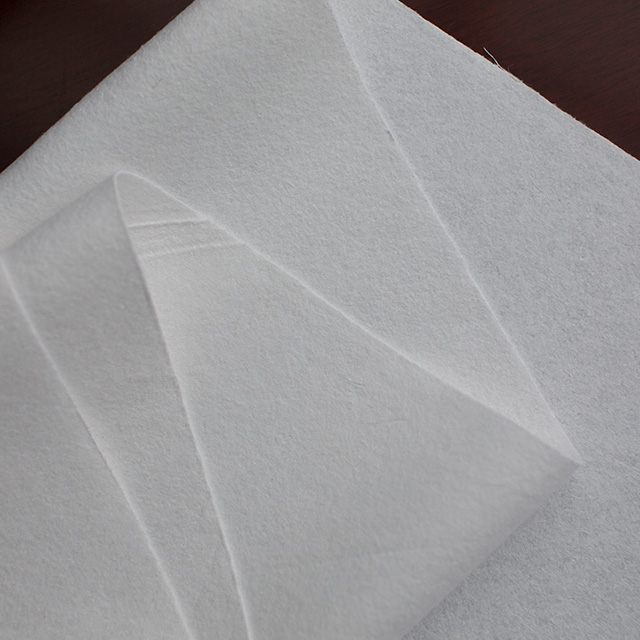
PTFE needle felt is a high-performance filtration material made from PTFE fibers that are needled together to form a durable, dense fabric. The needling process interlocks the fibers, enhancing filtration efficiency and strength. PTFE needle felt is designed for use in harsh environments, providing excellent performance under extreme conditions.
PTFE needle felt is composed of PTFE fibers, a polymer known for its exceptional heat and chemical resistance. The fibers are needled together to create a robust, non-woven fabric, preserving PTFE's key properties, such as high temperature tolerance, chemical resistance, and low friction.
Heat Resistance:
PTFE needle felt can withstand 260°C (500°F) continuously and up to 300°C (572°F) in short bursts, making it ideal for high-temperature industries like cement and power generation.
Chemical Stability:
PTFE is highly resistant to acids, bases, solvents, and oils, making PTFE needle felt perfect for environments in chemical processing and refineries, where aggressive chemicals are present.
Durability:
PTFE needle felt is durable and resistant to wear, abrasion, and damage, ensuring it can handle high dust loads and demanding conditions without degrading.
Low Friction and Non-Stick Properties:
PTFE's low friction and non-stick nature prevent dust accumulation, reducing maintenance and extending the filter's service life.
PTFE needle felt offers several significant advantages over regular filter media, such as polyester or fiberglass, making it a superior choice for high-performance industrial filtration.
PTFE needle felt can withstand much higher temperatures compared to regular filter media. It can endure 260°C (500°F) continuously, and even handle short bursts of 300°C (572°F), which is far beyond the temperature tolerance of materials like polyester (which typically degrades above 150°C) or fiberglass (which starts losing performance around 250°C). This makes PTFE needle felt ideal for industries such as cement production, power plants, and chemical processing where extreme heat is common.
PTFE is highly resistant to a broad range of chemicals, including strong acids, bases, solvents, and oils. Unlike regular filter media, such as polyester or fiberglass, which can degrade in harsh chemical environments, PTFE needle felt remains stable and functional even when exposed to aggressive substances. This makes it perfect for chemical plants, refineries, and other industries dealing with corrosive gases or liquids.
PTFE needle felt has exceptional abrasion resistance, which significantly reduces wear and tear over time. Unlike regular materials like polyester or fiberglass, which can break down due to physical stress, PTFE needle felt maintains its integrity even under heavy dust loads and continuous use. This durability results in longer-lasting performance, reducing the need for frequent filter replacements and lowering overall maintenance costs.
The non-stick properties of PTFE reduce the buildup of dust and particulate matter on the filter surface. This means that PTFE needle felt requires less frequent cleaning compared to regular filter media. The low maintenance nature of PTFE filters improves operational efficiency by maintaining optimal filtration performance for longer periods without frequent downtime for cleaning or replacement.
PTFE needle felt is widely used in industries that require superior heat resistance, chemical stability, and durability in their filtration systems. Its unique properties make it especially beneficial for industries that deal with extreme temperatures, harsh chemicals, and heavy dust loads. Here are some key industries where PTFE needle felt plays a crucial role:
In cement plants, PTFE needle felt is used for dust collection systems to capture particulate matter during the production process. The high temperatures in cement kilns, often exceeding 200°C (392°F), require filter media that can withstand prolonged exposure to heat. PTFE needle felt's ability to withstand temperatures up to 260°C (500°F) continuously makes it ideal for use in these harsh environments. Its chemical resistance also helps it handle the aggressive dust and gases produced during cement manufacturing.
In power plants, especially coal-fired or waste-to-energy facilities, PTFE needle felt is used in baghouse filters and electrostatic precipitators to capture fine particulate matter and toxic emissions from the combustion process. The high temperatures and corrosive gases, such as sulfur compounds and fly ash, require filtration media that can endure extreme conditions. PTFE needle felt’s ability to operate at 300°C (572°F) in short bursts and its exceptional chemical resistance make it a reliable choice for maintaining efficient filtration performance in these environments.
The chemical processing industry involves harsh environments where exposure to strong acids, bases, and solvents is common. PTFE needle felt is used for gas filtration and dust collection in plants that deal with corrosive substances. It can withstand both high temperatures and aggressive chemicals, making it ideal for industries such as pharmaceutical manufacturing, petrochemical production, and refining. PTFE’s chemical inertness ensures that the filtration media does not degrade, providing consistent performance even in the most demanding conditions.
In metal processing industries like steel mills and aluminum production, PTFE needle felt is used in air filtration systems to capture toxic fumes, particulates, and gases produced during smelting and metalworking processes. These industries require filtration materials that can handle extreme temperatures and abrasive dust. PTFE needle felt’s abrasion resistance and high heat tolerance make it a key material for keeping these environments safe and compliant with environmental standards.
PTFE needle felt is also widely used in waste incineration plants and other environmental protection systems to filter out pollutants from exhaust gases. The high temperatures and aggressive chemical compounds produced during waste incineration require a filter media that can maintain efficiency under these extreme conditions. PTFE needle felt ensures that harmful emissions are captured without degrading, contributing to cleaner air and better environmental outcomes.
In the food and pharmaceutical industries, PTFE needle felt is used for air filtration and dust collection where stringent hygiene and temperature control are essential. PTFE’s non-stick properties ensure that particles are easily captured without compromising the quality of the product, making it suitable for environments that require high sanitary standards.
Here is the comparison of PTFE needle felt with other common filter materials like polyester, fiberglass, and aramid fibers in terms of heat resistance, chemical stability, and filtration efficiency, presented in a table format:
Property | PTFE Needle Felt | Polyester | Fiberglass | Aramid (Nomex) |
Heat Resistance | Up to 260°C (500°F) continuously; 300°C (572°F) for short bursts | Degrades above 150°C (302°F) | Handles up to 250°C (482°F) | Withstands 250°C (482°F) continuously |
Chemical Stability | Highly resistant to a wide range of chemicals, including acids, bases, and solvents | Susceptible to degradation from acids and solvents | More chemically resistant than polyester, but still vulnerable | Resistant to many chemicals but not as versatile as PTFE |
Filtration Efficiency | High filtration efficiency, especially in extreme environments | Effective in general filtration, but less efficient at high temperatures | Good filtration but can degrade under high temperatures and harsh chemicals | Good filtration at moderate temperatures, but not ideal for extreme conditions |
Durability | Extremely durable, abrasion-resistant, and long-lasting | Less durable under high heat and chemical exposure | More fragile than PTFE, can degrade over time | Durable, but susceptible to damage from high temperatures and chemicals |
Maintenance | Low maintenance due to non-stick properties and resistance to clogging | Requires more frequent cleaning due to dust buildup | Higher maintenance due to greater likelihood of clogging | Moderate maintenance, can wear over time under high stress |
This comparison highlights PTFE needle felt as the superior material for high-temperature and chemically aggressive environments, offering excellent heat resistance, chemical stability, and long-lasting performance. Regular filter materials like polyester, fiberglass, and aramid fibers perform well in less extreme conditions but fall short in environments requiring high heat tolerance and chemical resistance.
PTFE needle felt can withstand higher temperatures and is more resistant to chemical degradation, while fiberglass has lower heat tolerance and less chemical resistance.
PTFE needle felt offers better chemical resistance, especially against acids, solvents, and aggressive gases, while polyester may degrade in these conditions.
Yes, PTFE needle felt is effective in capturing fine particles due to its dense structure and excellent filtration efficiency, especially in high-temperature and harsh chemical environments.
PTFE needle felt requires less frequent maintenance due to its non-stick properties, reducing dust buildup, while regular filter media may require more frequent cleaning or replacement.
In conclusion, PTFE needle felt is the ideal choice for industrial filtration in extreme conditions. It outperforms regular filter media like polyester, fiberglass, and aramid fibers in heat resistance, withstanding temperatures up to 260°C (500°F) continuously and 300°C (572°F) in short bursts. Its superior chemical stability makes it resistant to a wide range of harsh chemicals, making it perfect for industries like chemical processing, power generation, and cement production.
PTFE needle felt also offers exceptional durability, low maintenance, and high filtration efficiency, ensuring reliable, long-lasting performance. While other materials may work in less demanding environments, PTFE needle felt is the go-to solution for applications requiring high heat and chemical resistance, ensuring optimal filtration even in the harshest conditions.