Views: 0 Author: Site Editor Publish Time: 2026-04-07 Origin: Site


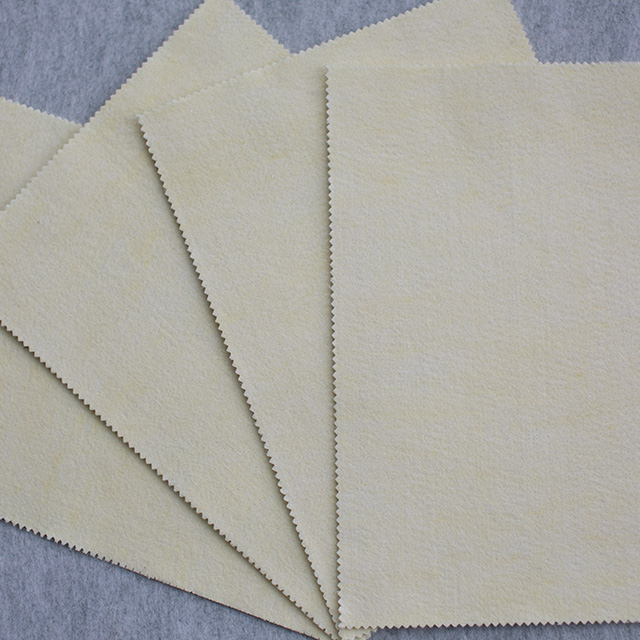
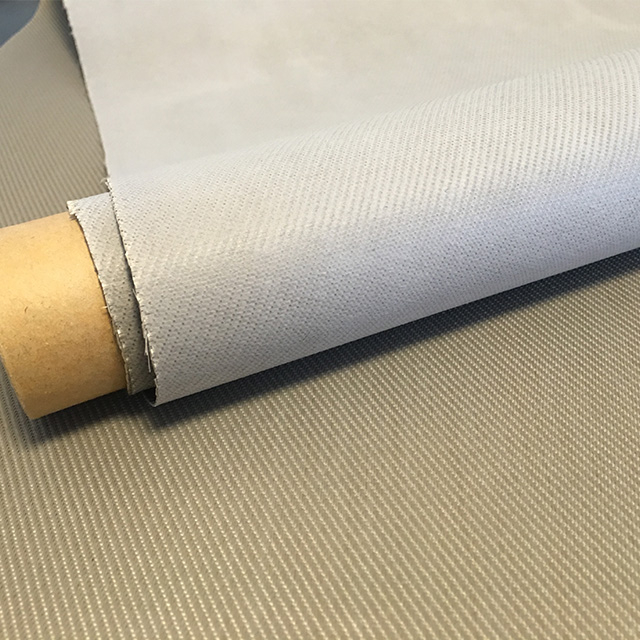
You can find fiberglass filter fabric in many industries that need strong filters. These include cement kilns, power plants, metal processing, and air or liquid filtration. It is used in places with high heat, acid gases (except hydrofluoric acid), and lots of dust.
The chemical industry uses fiberglass fabrics to clean air and treat waste.
Manufacturing and energy companies use these materials to collect dust and control pollution.
Food and pharmaceutical plants use them to keep processing clean and safe.
Industry Segment | Estimated Share | Key Applications |
|---|---|---|
Metallurgy & Foundries | 18% | Electric arc furnaces, sintering, metal smelting |
Waste Incineration & Chemical Processing | 15% | Municipal and hazardous waste incineration |
Pulp & Paper and Other Industries | 10% | Recovery boilers, glass furnaces, asphalt plants |
You can trust fiberglass filter fabric when you need something strong. It works well when you need heat resistance and acid resistance.
Fiberglass filter fabric is very important in many industries. It is used in cement, power, and metal processing. This is because it is strong and can handle high heat. These filters help stop pollution by trapping bad particles. This makes the air cleaner and helps follow environmental rules. Fiberglass fabrics last a long time and do not break easily. They need less fixing, which saves time and money for factories. They are also safe to use with food and medicine. They meet tough safety rules to stop contamination. Picking the right fiberglass filter fabric makes filtering work better. It also helps your filtration systems last longer.
Fiberglass filter fabric is used a lot in cement plants. These plants need strong filters because they have high heat, dust, and tough chemicals. You can find these filters in baghouse systems. They are in clinker coolers, rotary kilns, and cement mills. The filters help keep the air clean and control pollution.
Cement plants have used these fabric filters for over 40 years.
They help control pollution from cement kilns and clinker coolers.
Most cement plants use 40 to 80 filter systems. These systems clean between 30 and over 100,000 cubic meters of air every minute.
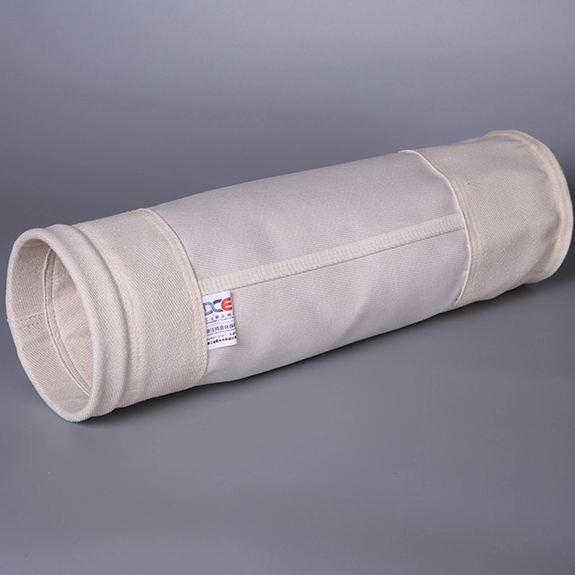
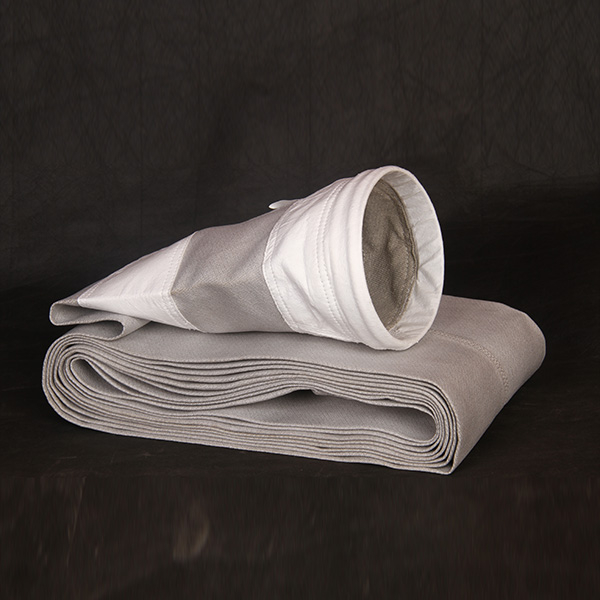
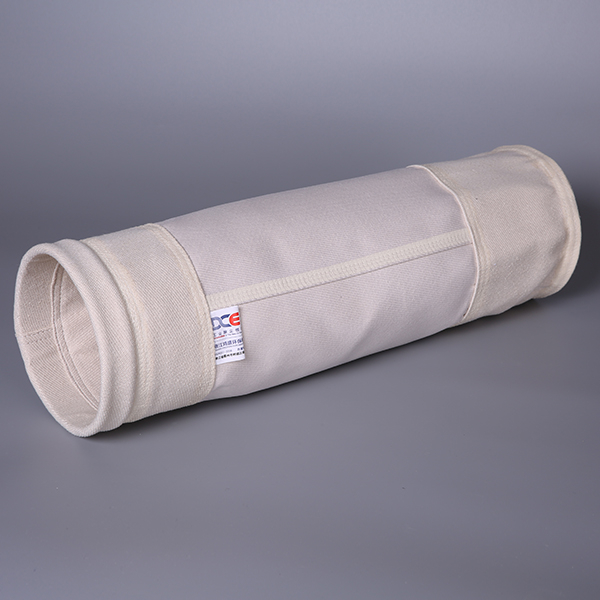
Fiberglass filter bags can handle rough dust and alkaline fumes. They keep working even when it gets very hot or hard. These filters last a long time and help your plant work well.
Power plants and electric furnaces need filters that can handle very high heat and chemicals. Fiberglass filter bags are used in coal-fired power plants, biomass boilers, and electric arc furnaces. These filters catch harmful particles before they go into the air.
Application | Temperature Resistance |
|---|---|
Coal-Fired Power Plants | ~230°C (450°F) |
Biomass Boilers | ~230°C (450°F) |
Specialty Materials (e.g., PTFE) | ~260°C (500°F) |

When you pick fiberglass filter fabric, you get filters that last longer and need less fixing. These filters save energy because air moves through them easily. This helps your machines work better.
Feature | Fiberglass Filters | Alternative Materials |
|---|---|---|
Longevity | Lasts longer and does not clog easily | Needs to be replaced more often |
Maintenance Requirements | Needs less fixing and costs less to fix | Needs more fixing and costs more |
Energy Consumption | Uses less power because air flows easily | Uses more power because air does not flow as well |
Fiberglass filter bags are used in metal plants to catch dust and keep the air safe. These plants make a lot of tiny particles when they melt and clean metals. If you do not use the right filter, these particles can get out and hurt people or the environment.
Filtration Challenge | Solution Provided by Fiberglass Filter Fabric |
|---|---|
Dust and particulate emissions in metal processing | Catches dust to keep the air safe and meet rules. |
Increased demand for metals | More fiberglass filter bags will be needed as metal use grows. |
Fiberglass fabrics work well here because they can handle heat, acids, and rough dust. You can trust these filters to keep your plant safe and working well.
Waste incineration plants burn trash at very high heat. You need filters that can survive these tough conditions. Fiberglass filter bags do this job well. They can handle acids, alkalis, and high heat. They last longer and keep working even when things get hard.
Feature | Details |
|---|---|
High Temperature Resistance | Can handle up to 260°C (500°F) or more, depending on the treatment. |
Instantaneous Temperature | Can take heat up to 350°C. |
Chemical Resistance | Works well against acids and alkalis. |
Mechanical Strength | Strong and lasts a long time, usually over 4500 hours. |
Dimensional Stability | Keeps its shape even when it gets hot. |
You get many good things when you use fiberglass filter fabric in waste incineration. These filters catch tiny particles and pollution, so you meet clean air rules. They do not shrink or tear easily, so you do not have to fix them often.
Benefit | Description |
|---|---|
High-Temperature Resistance | Can handle up to 500°C, good for very hot places. |
Superior Filtration Efficiency | Catches tiny particles and pollution, keeps the air clean. |
Excellent Chemical Resistance | Works well with most acids, alkalis, and solvents, so it lasts longer. |
Low Thermal Shrinkage | Keeps its size even when it gets hot. |
High Tensile Strength | Very strong, does not wear out fast. |
Enhanced Dust Cake Release | Easy to clean, lasts longer, and means less downtime. |
Tip: If you use fiberglass filter bags for waste incineration, your plant will run longer and cleaner and you will not need to fix things as much.
Fiberglass filter fabric helps stop air pollution in many places. It works well in baghouse filtration systems. You can find it in cement plants and power stations. It is also used in food processing and pharmaceutical factories. These filters catch bad particles before they go outside. Using fiberglass filter fabric helps your facility follow strict rules. It also keeps the air cleaner.
Fiberglass filter fabric is used in:
Cement kilns
Coal-fired boilers
Steel and metallurgy furnaces
Waste incinerators
Biomass combustion systems
Aluminum smelting plants
Tip: Pick the right fiberglass filter fabric, like woven, PTFE-coated, or high-density, to get better pollution control.
Dust collection systems keep your workplace safe and clean. Fiberglass filter fabric helps collect dust from the air. It works well where heat and chemicals are a problem. You can use different fiberglass fabrics for different jobs. PTFE-coated fiberglass is good for coal-fired boilers. High-density fiberglass works best in steel plants.
Fiberglass filter fabric helps you:
Remove dust from hot gas streams
Protect workers from breathing in bad particles
Keep machines running longer with less cleaning
You want to catch tiny particles in your air filtration system. Fiberglass filter fabric helps make a dust-cake layer. This layer boosts filtration efficiency. The dust-cake forms on the fabric and traps fine particles that might escape.
Feature | Benefit for You |
|---|---|
Filtration efficiency | Dust-cake on fabric traps tiny particles |
Pressure drop management | ePTFE filters lower pressure without losing power |
Gas-stream contact with dust-cake | More time for pollution control materials to work |
Note: Using fiberglass filter fabric with special coatings, like ePTFE, can help you use less energy and keep your system working well.
Fiberglass filter fabric helps clean water and oil in many places. It separates small bits from liquids. The fabric is strong and does not get damaged by acids or alkalis. You can find it in water-treatment plants and oil refineries. It is also used where people handle mineral slurries. The fabric gives you clear liquid and makes it easy to remove the cake. This means you get better results and less mess.
Primary Uses of Fiberglass Filter Fabric | Performance Data |
|---|---|
Precise particle separation | High mechanical strength |
Stable cake release | Acid/alkali resistance |
Sludge dewatering | Predictable filtrate clarity |
Water-treatment filtration | Improved cake-release behavior |
Filtration of mineral slurries | Long service duration |
High-temperature applications | Chemically stable fabric |
Tip: If you want a filter that lasts a long time and works well in hard jobs, fiberglass filter fabric is a smart pick.
Food and drug factories need clean filters. Fiberglass filter fabric follows strict rules for these places. It does not let fibers get into your food or medicine. This keeps your process safe. The fabric passes important safety and quality tests. You can trust it when making food, drinks, or medicine.
Certification/Standard | Description |
|---|---|
cGMP Compliance | Filters are made for Good Manufacturing Practices. |
ISO 9001:2015 | The factory and system meet this world standard. |
USP Biosafety | The materials pass biosafety and reactivity tests. |
FDA Compliance | Filters follow rules for non-fiber-releasing filters. |
Endotoxin Levels | Bacterial endotoxins are below safe limits for water for injection. |
Note: You can use fiberglass filter fabric in food and drug factories because it meets high safety standards.
Some jobs need filters for very hot liquids. Fiberglass filter fabric can handle heat up to 900°C. You can use it in cement, steel, power, and petrochemical plants. The fabric catches small particles and keeps working when it gets hot. It is easy to put in and lasts a long time. You do not have to change it often.
Feature | Description |
|---|---|
High-temperature resistance | Can handle heat up to 900°C, good for factories. |
Excellent filtration | Catches small bits like dust and dirt. |
Durability | Made to last a long time in tough places. |
Easy installation | Fits easily into most air filtration systems. |
Wide application | Used in cement, power, steel, and petrochemical plants. |
If you need a filter for hot jobs, fiberglass filter fabric gives you strength and reliability.
Some jobs need filters that can handle heat and chemicals. Fiberglass filter fabric is strong against heat and chemicals. You can use it where other filters might not work. It is good for hot places like cement kilns and power plants. Metal processing plants also use it.
Fiberglass fabrics have special glass fibers. These fibers do not burn. They keep their shape and strength when it gets hot. You can use these filters at 260°C for a long time. They can also take short heat bursts up to 280°C.
Here is a table with the main technical properties:
Property | Details |
|---|---|
Thermal Properties | Great heat resistance, good insulation, does not burn. |
Maximum Operating Temp | Up to 260°C for a long time, 280°C for short times. |
Chemical Resistance | Works well with most acids and alkalis, but not hydrofluoric acid. |
Fiberglass filter fabric does more than resist heat. It also stands up to many chemicals. It works with most acids and alkalis. Only a few strong chemicals, like hydrofluoric acid, can hurt it. This makes it good for chemical plants and waste incinerators.
Main benefits of fiberglass fabrics:
Can take high heat and stay strong.
Resist most acids and alkalis.
Stay stable in tough places.
Tip: If you need a filter for hot and rough jobs, fiberglass filter fabric is a safe choice.
You want filters that last a long time. Fiberglass filter fabric is very tough and resists damage. You do not need to change filters often, even with lots of dust or cleaning.
Fiberglass fabrics start out very strong. They can take stress from cleaning and dust better than many other filters. Their breaking strength is much higher than the safety limit of 30 daN/5cm. This keeps your system safe and working longer.
Why fiberglass filter fabric lasts:
Strong fibers do not tear or wear out fast.
High breaking strength keeps filters safe.
Works well in both heat and humidity.
Over time, the fabric may get weaker in length faster than width. You should check your filters often, especially if you clean them hard. Still, fiberglass filter fabric lasts a long time and means less downtime.
Feature | What It Means for You |
|---|---|
Great durability | Fewer filter changes, saves money |
High abrasion resistance | Handles dust and cleaning without damage |
Safe breaking strength | Less chance of filter breaking |
Note: You can trust fiberglass fabrics to keep your filters strong and working, even in hard jobs.
You need to check the temperature in your process before you choose fiberglass filter fabric. This fabric works best in hot places. It can handle high heat for a long time. You can use it in places like steel plants, cement kilns, and power stations.
Temperature Condition | Maximum Temperature (°C) |
|---|---|
Continuous Use | 260 |
Peak Conditions | 280 |
Fiberglass filter fabric keeps its shape and strength even when it gets very hot. You do not have to worry about the fabric shrinking or melting. This makes it a good choice for harsh jobs.
The fabric stays stable at high temperatures.
It works well in tough filtration environments.
You can trust it for both short bursts and long runs of heat.
You should think about the chemicals in your process. Some chemicals can damage filters. Fiberglass filter fabric resists most acids and alkalis. Only hydrofluoric acid can break it down. You can use this fabric in chemical plants, waste incinerators, and other places with strong chemicals.
The fabric stands up to many corrosive gases.
It does not wear out fast in harsh chemical settings.
You can use it for both air and liquid filtration.
If you need a special filter, you can pick different coatings or designs. This helps the fabric last longer and work better in your plant.
You must consider how much stress your filter will face. Dust, cleaning, and high pressure can all put stress on the fabric. Fiberglass filter fabric has high tensile strength. It does not tear or break easily.
Study | Strain Rate (s−1) | Tensile Strength (MPa) | Increase (%) |
|---|---|---|---|
Chen et al. | 2.08 × 10⁻⁵ to 1.04 × 10⁻¹ | 258.94 to 428.4 | 65 |
Zhang et al. | 20 to 317 | Up to 141% increase | 141 |
Naik et al. | 140 to 400 | 65–89% increase | 65-89 |
Shokrieh and Omidi | 0.001 to 100 | 1.5x QS strength | N/A |
You get a filter that lasts longer and needs less fixing. You can also choose custom designs to fit your system. Always check for industry standards and safety rules before you pick your filter.
Look for:
High tensile strength and durability
Resistance to abrasion
Custom options for your needs
Compliance with safety guidelines
Tip: When you match the filter to your process, you get better performance and fewer problems.
You can find fiberglass filter fabric in lots of industries. It is used in metal processing, cement, carbon black, lime, fertilizer, and coal drying.
Application Area | Description |
|---|---|
Non-ferrous metal process | Filters metals that do not have iron |
Smelting process | Needed to keep smelting clean |
Carbon black production | Used when making carbon black |
Cement production process | Helps keep cement plants clean |
Lime and fertilizer production process | Filters dust in lime and fertilizer factories |
Coal drying process dust filtration | Takes dust out during coal drying |
Wet dust removal fields | Helps remove dust with water |
Many people pick fiberglass because it lasts longer than other materials. It can handle high heat and does not lose its shape. You get strong filtering, easy cleaning, and good chemical resistance. More companies want clean air and better filters, so the market for fiberglass filter fabric is growing. If you need a filter for hard jobs, fiberglass filter fabric is a good choice.
Fiberglass filter fabric works in places that get very hot. It can handle heat up to 260°C (500°F) for a long time. It can also take short bursts up to 280°C. Some special kinds can take even more heat.
Yes, you can use fiberglass filter fabric in food and drug factories. It follows strict safety rules like FDA and ISO. The fabric does not let fibers get into your food or medicine.
You can clean fiberglass filter fabric with pulse-jet or reverse air systems. The fabric lets go of dust easily. Cleaning it often helps your filters last longer and work better.
Most acids and alkalis do not hurt fiberglass filter fabric. Hydrofluoric acid is the main chemical that can damage it. You should not use this fabric where hydrofluoric acid is found.
Yes, you can use fiberglass filter fabric for both air and liquid jobs. It works well in dust collectors, water treatment, and oil filters.