Views: 0 Author: Site Editor Publish Time: 2026-06-15 Origin: Site


Industrial facilities face a constant operational tension today. Strict environmental regulations demand exceptionally low PM2.5 emissions. Simultaneously, plant managers face immense pressure to reduce baghouse energy consumption. Maintenance budgets continuously shrink. Upgrading a dust collection system forces a critical choice. Facilities often decide between standard depth-filtration media and premium ePTFE membrane-laminated solutions.
We will explore this choice thoroughly. We aim to provide a balanced, evidence-based evaluation framework. You will learn whether the higher initial cost of a premium Filter Bag justifies its operational lifecycle. We outline performance metrics, implementation risks, and long-term value. Standard media relies on older mechanical principles. Membrane technology introduces entirely different physics. This guide helps you make informed, strategic procurement decisions for your specific baghouse environment.
Filtration Mechanism: Conventional bags rely on a dust cake for efficiency (depth filtration), while PTFE membranes act as an immediate physical barrier (surface filtration).
Energy & Maintenance: PTFE membrane filter bags typically operate at a lower, more stable differential pressure, reducing fan energy and compressed air consumption.
Total Cost of Ownership (TCO): While the upfront cost of PTFE is higher, the ROI is realized through extended bag life, lower utility costs, and increased production throughput.
Implementation Risk: Upgrading to PTFE requires evaluating existing cage conditions; rough or corroded cages will damage the delicate membrane and void the investment.
Understanding baghouse performance requires examining the foundational mechanics of filtration. We must look at how media captures particulate. Two distinct methods dominate the industry.
Standard non-woven felts and woven fabrics operate using depth filtration. They do not stop dust at the immediate surface. Instead, particulate penetrates the media matrix. A permeable layer of dust gradually forms. Industry professionals call this the "dust cake." This established cake actually performs the fine filtration.
This traditional method presents severe drawbacks over time. Fine dust permanently embeds into the fiber matrix. You cannot clean it out. We call this phenomenon irreversible blinding. Pressure drops inevitably spike. The system must work harder to pull air through the clogged fabric. Eventually, the Filter Bag fails completely.
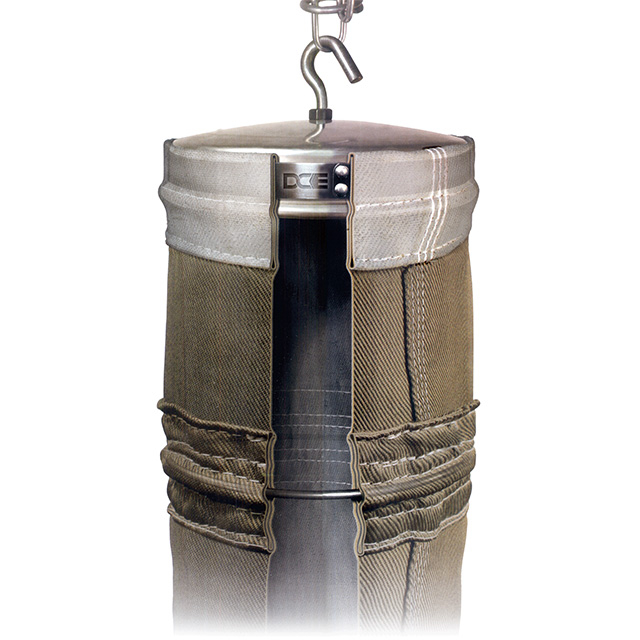
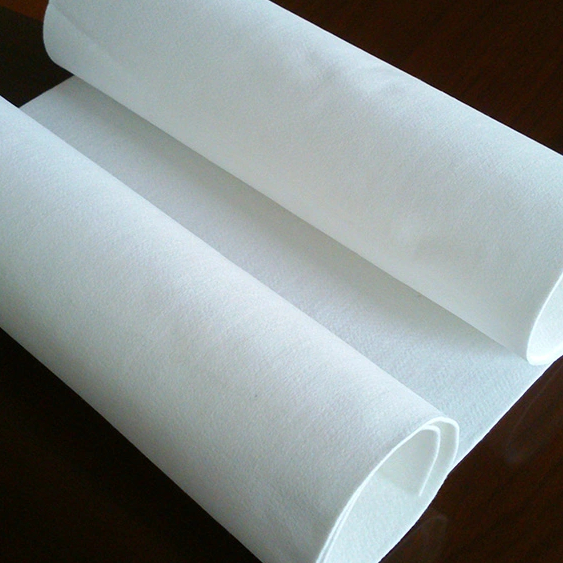
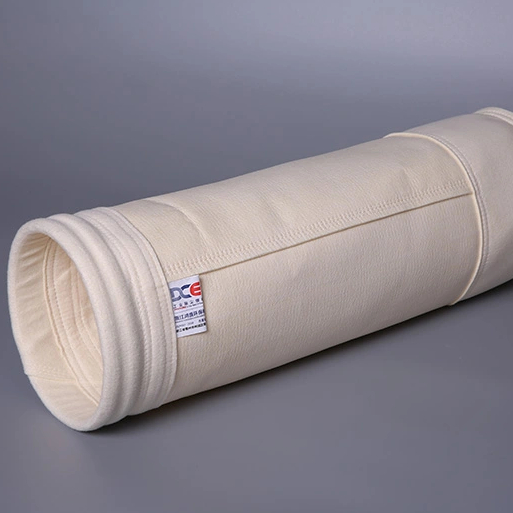
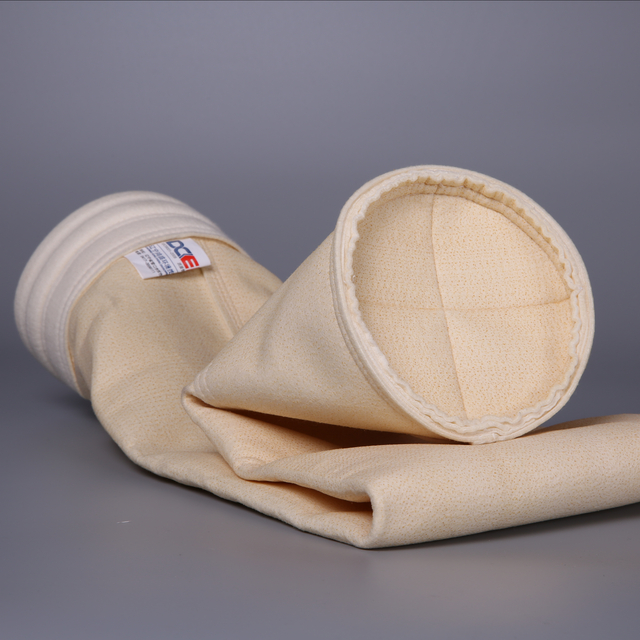
Surface filtration flips this operational paradigm completely. Manufacturers thermally bond a microporous expanded polytetrafluoroethylene (ePTFE) layer to a base substrate. They typically use fiberglass, polyester, or aramid substrates. The ePTFE membrane contains millions of microscopic pores. It acts as an absolute physical shield.
Dust hits the smooth surface. It stops immediately. Particulate cannot penetrate the underlying base fabric. The advantages become obvious during the cleaning cycle. Cake release during pulse-jet cleaning is near-instantaneous. The bag sheds the dust effortlessly. Differential pressure returns to a low, stable baseline immediately.
Filtration Characteristic | Conventional Media | ePTFE Membrane Media |
|---|---|---|
Filtration Location | Inside the fiber matrix (Depth) | On the external membrane (Surface) |
Dust Release | Sluggish, leaves residual dust | Instantaneous, near-total release |
Blinding Risk | High over prolonged use | Extremely low |
Airflow Stability | Fluctuates wildly over time | Flat and predictable baseline |
You must evaluate several performance metrics before selecting a media type. Not every operation requires advanced surface filtration. However, specific environmental and operational variables make membrane technology highly desirable.
Regulatory agencies continually tighten emissions standards. Facilities must often meet strict sub-micron regulatory limits. Chemical plants, cement kilns, and metal smelting operations face intense scrutiny. Conventional felts struggle to capture PM2.5 efficiently. They often leak fine particulate during the early stages of cake formation. PTFE membranes block sub-micron dust inherently. They deliver compliance immediately upon installation.
Conventional bags experience fluctuating pressure drops. The baghouse undergoes peak-and-valley cleaning cycles continually. Differential pressure rises as the cake builds. It falls slightly after pulsing. This erratic baseline wastes significant energy. Conversely, a PTFE membrane maintains a flat, predictable baseline. Airflow remains consistent. Induced draft fans operate smoothly. The entire system stabilizes.
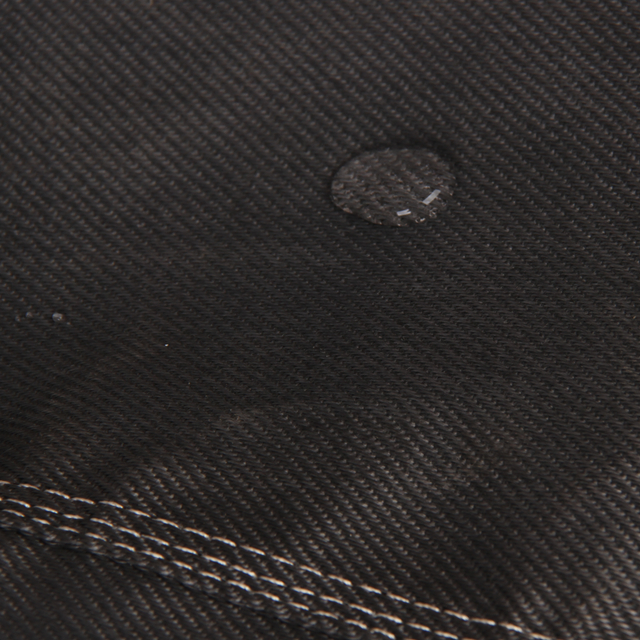
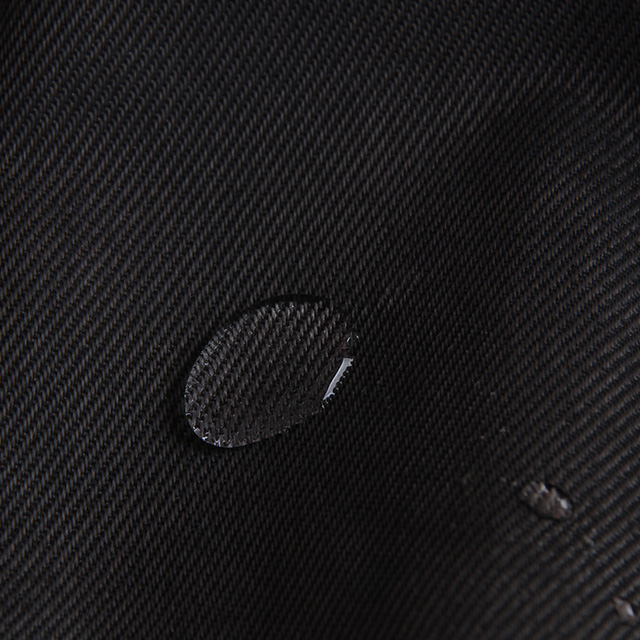
High-humidity environments destroy standard media quickly. Moisture causes dust to agglomerate. Mud-caking occurs rapidly. Standard bags cannot shed damp, sticky mud. PTFE inherently resists moisture. It possesses strong hydrophobic properties. Water droplets bead up and roll off the slick surface. This prevents catastrophic blinding during dew point excursions. Chemical resistance also remains excellent.
Air-to-cloth ratios define system capacity. Higher ratios mean more air passes through the same fabric area. Surface filtration allows systems to run at much higher A/C ratios safely. The immediate cake release prevents airflow bottlenecks. You can potentially increase your production capacity. You achieve this without expanding the physical baghouse footprint. This saves massive capital construction costs.
Evaluating baghouse economics requires looking beyond the initial purchase order. You must weigh the capital expenditure against long-term operational savings. A premium Filter Bag completely alters the financial calculus of your dust collection system.
We must acknowledge the upfront reality. PTFE membrane filter bags carry a noticeable premium. They cost significantly more than standard polyester or acrylic bags. The complex thermal bonding process drives this price up. The raw ePTFE material itself is expensive. Procurement teams often hesitate at this initial sticker shock.
The return on investment accumulates rapidly through daily operational savings. We categorize these savings into three distinct areas.
Fan Energy: Induced draft (ID) fans consume massive amounts of electricity. Lower differential pressure means the ID fan works considerably less. The motor draws less amperage constantly. This yields measurable daily electricity savings.
Compressed Air: Pulse-jet cleaning requires expensive compressed air. Easier cake release reduces your required pulse frequency. You can also lower the cleaning pressure significantly. Compressors run less frequently. Energy drops further.
Maintenance Labor: Replacing bags requires intensive manual labor. Confined space entry costs time and money. Extended bag life reduces changeout frequency. Membrane bags often last two to three times longer than standard bags.
Unplanned downtime devastates facility profitability. Premature bag blinding forces emergency shutdowns. You lose hours or days of production. A stable, non-blinding membrane ensures continuous operation. You meet your production quotas reliably. This continuity often pays for the premium media upgrade within months.
Upgrading media is not a plug-and-play process. You cannot simply install premium bags into an unoptimized system. Several mechanical risks can destroy your investment quickly. You must audit your equipment beforehand.
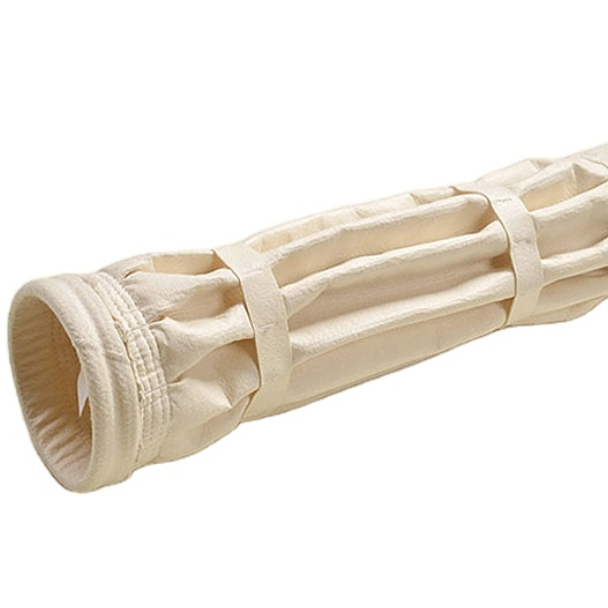
We must warn you about existing cages. Cage compatibility represents the highest implementation risk. Never install PTFE bags on worn, rusted, or low-wire-count cages. The ePTFE membrane is incredibly fragile. Rough welds will scratch the surface. Rusted metal will abrade the film.
Furthermore, wire count matters immensely. A standard 10-wire cage allows excessive bag flexing. The fabric sags between the wires during operation. It violently snaps taut during pulsing. This mechanical fatigue cracks the delicate membrane. You need smooth, high-wire-count cages. Galvanized, stainless, or epoxy-coated finishes work best. An adequate number of vertical wires prevents excess flexing.
You must dial back your pulse-jet cleaning pressure post-upgrade. Applying conventional cleaning force to a PTFE bag causes catastrophic damage. Standard media often requires 90 to 100 PSI to dislodge deeply embedded dust. The smooth ePTFE layer requires much less force. If you blast a membrane bag at 100 PSI, you risk blowing out the membrane entirely. You should typically lower cleaning pressure to 60 PSI or below. Monitor the differential pressure. Adjust the force accordingly.
Do not misunderstand the membrane's protective limits. The base fabric still dictates the bag’s temperature and chemical thresholds. The ePTFE layer only handles the surface dust interaction. It does not protect the substrate from heat degradation or acid gas attacks.
If your gas stream hits 375°F, a polyester substrate will melt. The PTFE membrane will not save it. You must select the correct base fabric. Choose polyphenylene sulfide (PPS) for acid resistance. Choose polyimide (P84) for high heat. Choose fiberglass for extreme temperatures. Always match the substrate to the chemical environment.
Choosing the right media requires practical analysis. You must match the technology to your exact operational reality. Use the following framework to guide your selection process.
You handle coarse, dry, non-sticky dust applications. Large particles release easily from standard felts.
Your facility operates under lenient emission limits. You do not face strict PM2.5 mandates.
You process highly abrasive dust without a pre-separator. Abrasive particles erode surface membranes prematurely. Cheap standard bags act as sacrificial media.
You possess strictly capped, short-term maintenance budgets. You cannot secure approval for capital upgrades.
You struggle consistently to meet strict PM2.5 or ultra-low emission regulations.
You experience frequent baghouse bottlenecking. High differential pressure constantly limits your production capacity.
You handle sticky, hygroscopic, or unusually moist particulate. Mud-caking causes recurring downtime.
You face corporate mandates to reduce your overall plant energy footprint. You need lower fan and compressor amperage.
The choice between PTFE and conventional filter bags requires careful analysis. It is a calculation of environmental compliance and long-term utility costs. It is never just a simple line-item purchase. Standard media serves basic, dry applications well. However, membrane technology solves complex operational bottlenecks effectively. The premium upfront cost secures stable differential pressure. It slashes your daily energy consumption.
We strongly recommend a comprehensive baghouse audit as your next step. Evaluate your current differential pressure trends meticulously. Inspect your existing cage conditions for rust and wire counts. Analyze your specific dust characteristics. Execute this audit before making any major procurement decisions. Informed data guarantees a successful media upgrade.
A: Yes, they require smooth, rust-free cages. Facilities often use galvanized, stainless, or epoxy-coated options. You need an adequate number of vertical wires. High wire counts prevent excess fabric flexing. Proper support stops mechanical membrane abrasion entirely.
A: Lifespan depends highly on your specific application. However, surface filtration entirely prevents internal depth-blinding. This mechanism frequently extends useful bag life significantly. You can often see lifespan increases of 50% to over 200% compared to untreated conventional media.
A: Typically, yes. The bag operates at a consistently lower differential pressure. Consequently, the main system induced draft fan draws less electrical amperage. Furthermore, the easier cake release means your cleaning system uses substantially less compressed air daily.