Views: 0 Author: Site Editor Publish Time: 2026-06-15 Origin: Site


Industrial facilities face a massive operational challenge today. Plant managers must balance strict environmental emission standards, like PM2.5 and NESHAP, against the heavy burden of frequent baghouse maintenance. High operating temperatures and corrosive gases often destroy standard filtration fabrics rapidly. This premature failure causes unexpected downtime. It also triggers massive spikes in particulate emissions. Facilities urgently need a resilient solution to survive these harsh operational realities.
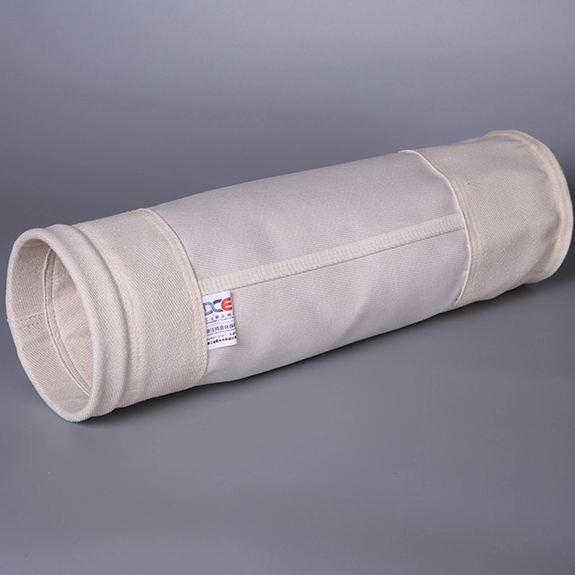
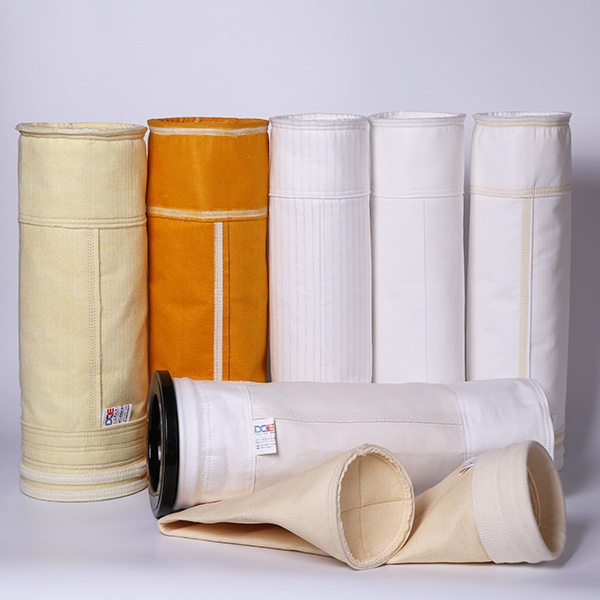
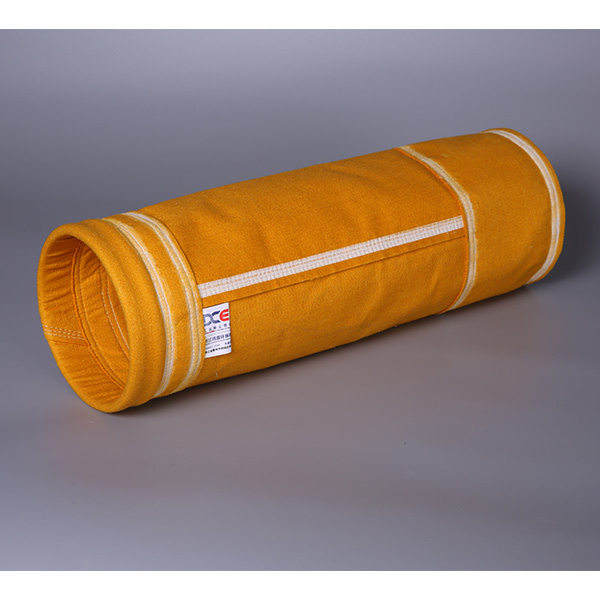
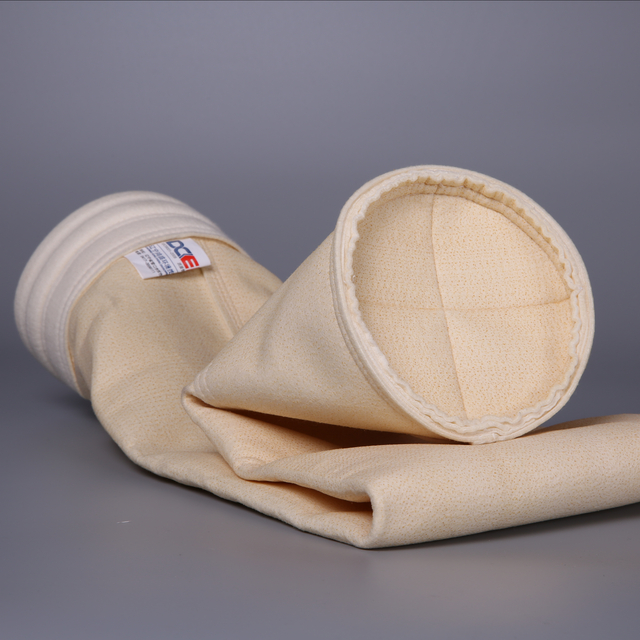
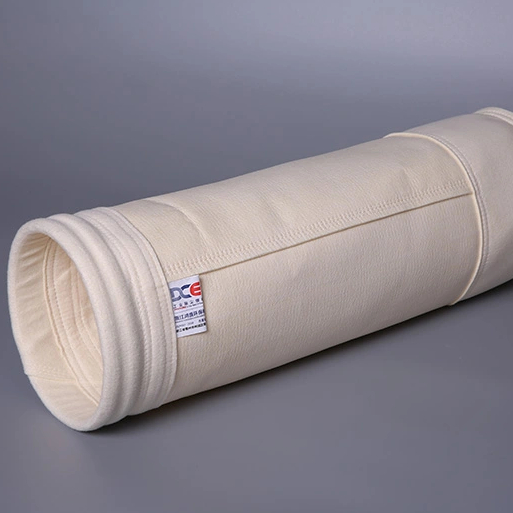
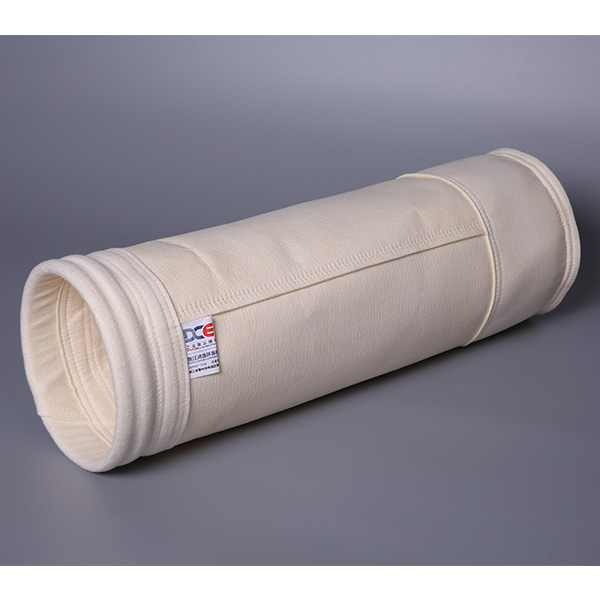
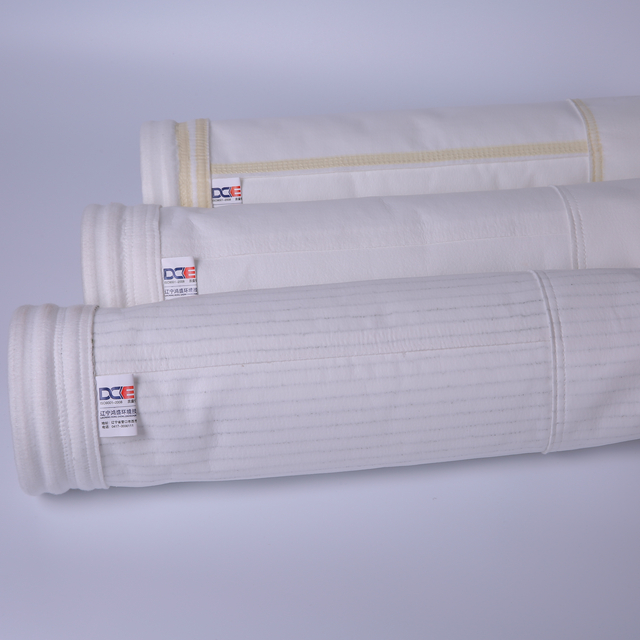
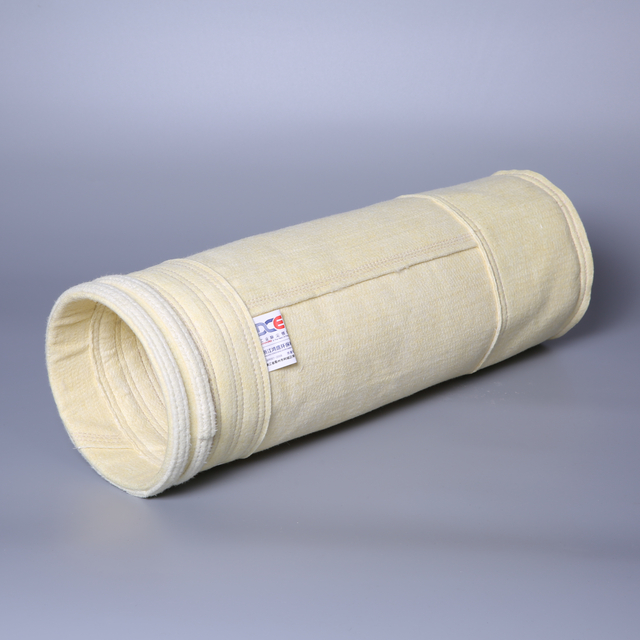
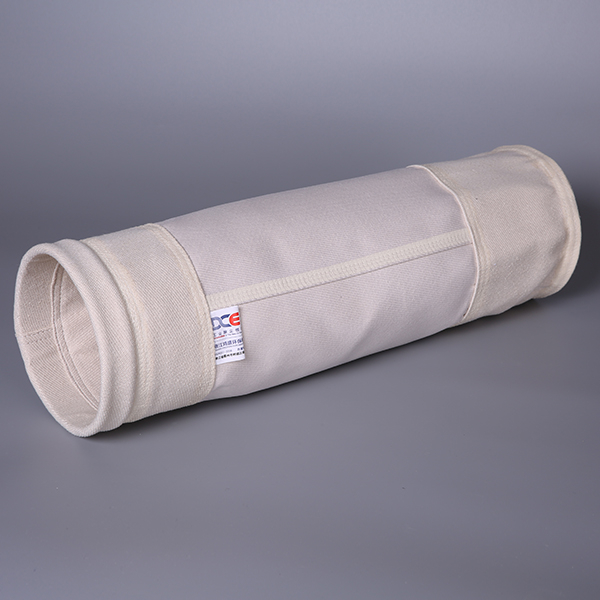
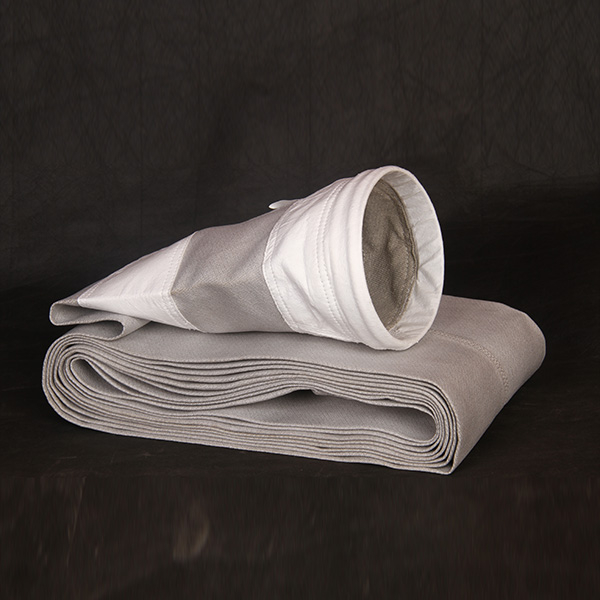
We introduce the PTFE Filter Bag as a specialized, premium filtration medium. Engineers design these units specifically for extreme chemical and high-temperature environments. Standard fabrics simply fail under such stress. Our purpose here is to provide an objective evaluation of these capabilities. You will learn the critical differences between membrane and finish variations. We will guide you through the technical criteria needed to determine if this advanced filtration solution justifies the initial capital expenditure.
Performance Thresholds: PTFE filter bags operate continuously at temperatures up to 260°C (500°F) and offer near-universal chemical inertness.
Critical Distinction: ePTFE membrane bags provide surface filtration for sub-micron particulate capture, whereas PTFE-finished bags rely on depth filtration.
Cost Justification: Higher upfront costs are typically offset through extended bag lifespan, lower pressure drops, and reduced energy consumption in severe applications.
Handling Risks: PTFE fibers are highly susceptible to mechanical abrasion; proper cage design and handling protocols are non-negotiable for successful implementation.
Heat destroys conventional filter media quickly. A standard polyester or aramid bag will degrade, shrink, or catch fire in extreme environments. In contrast, a PTFE Filter Bag excels under intense thermal stress. These media operate continuously at temperatures reaching 260°C (500°F). They comfortably handle peak thermal surges up to 280°C (536°F) for short durations.
Polymers like Nomex or PPS suffer from hydrolysis and oxidation. Moisture combined with high heat literally breaks their molecular chains apart. Oxygen further degrades them. PTFE utilizes powerful carbon-fluorine bonds. These bonds prevent moisture and oxygen from breaking down the material. You completely eliminate the risks of hydrolysis and oxidation. The fabric remains structurally sound even in hot, moist environments.
Industrial gas streams rarely contain just one hazard. They often carry complex mixtures of acids, alkalis, and reactive solvents. This chemical assault weakens structural fibers in standard bags. PTFE offers near-universal chemical inertness across the entire pH scale (0-14).
You can expose this material to high-concentration sulfuric acid, hydrochloric acid, or caustic alkalis. The fiber will not react. It does not swell, dissolve, or lose tensile strength. This broad-spectrum resistance makes it the ultimate defensive layer. Facilities processing highly unpredictable waste streams rely heavily on this chemical neutrality to prevent catastrophic bag failure.
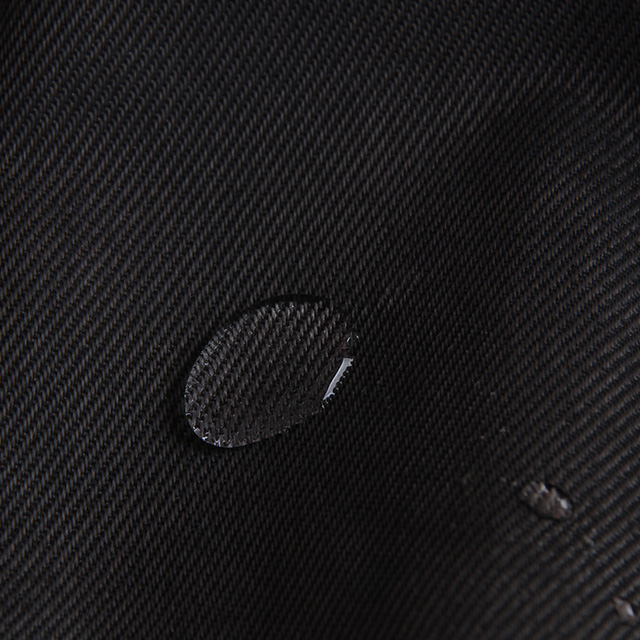
Filtration efficiency relies heavily on effective cleaning cycles. Standard fabrics often trap dust deep within their fibers. This trapping causes blinding, which forces the system to work harder. PTFE inherently possesses one of the lowest friction coefficients of any solid material. It is famously non-stick.
This non-stick surface dynamic revolutionizes pulse-jet cleaning. When the compressed air pulses, the accumulated dust cake shears off instantly. The bag releases the particulate effortlessly into the hopper below. You achieve optimal cleaning efficiency. Furthermore, facilities can drastically reduce their compressed air consumption. The bags require less frequent and less forceful pulsing to remain clean.
Not all solutions utilizing this polymer are identical. Understanding the difference between a membrane and a finish is critical. Choosing the wrong variation will compromise your compliance targets or waste your budget.
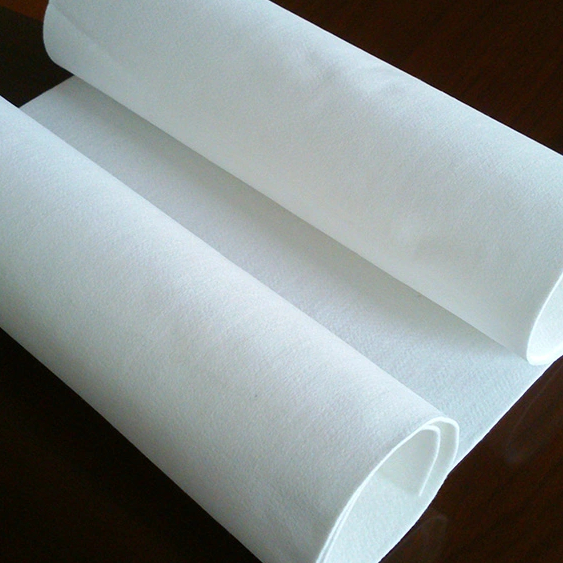
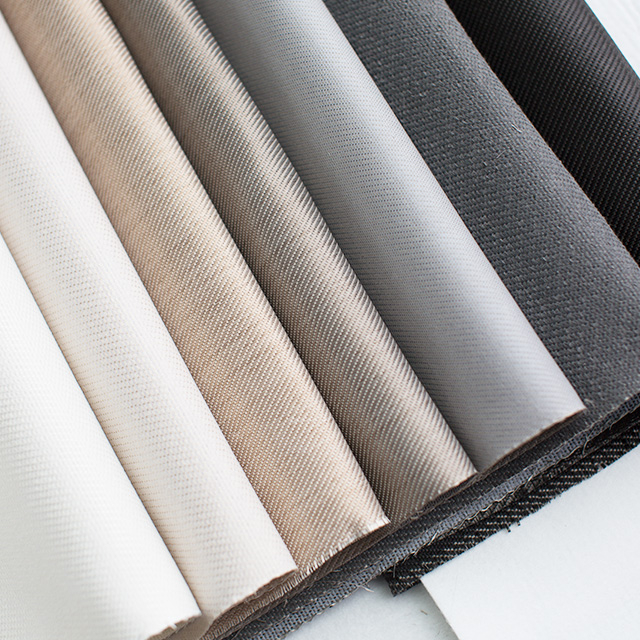
An ePTFE membrane bag features a microporous film. Manufacturers thermally bond this film to a supporting substrate, such as fiberglass or needle-punched felt. The pores in this membrane are microscopic.
This structure delivers pure surface filtration. Dust never penetrates the underlying fabric. The membrane captures sub-micron particles right on the exterior surface. It completely prevents media blinding. Facilities utilizing ePTFE membranes often achieve ultra-low emissions, frequently dropping below 5 mg/Nm³. This option is ideal for highly cohesive dust, moisture-heavy gas streams, and strict regulatory environments.
A finish, or coating, takes a different approach. Manufacturers submerge standard filter media fibers into a chemical bath. The fibers absorb the chemical treatment. This process coats the individual threads but leaves the pores between them open.
Finished bags still rely on depth filtration. Dust particles must build a primary dust cake within the fabric matrix to filter effectively. However, the coating significantly improves acid resistance. It also enhances cake release compared to untreated bags. This option offers a much lower cost threshold than full membranes. It is ideal for moderate emission targets where chemical protection matters more than sub-micron particle capture.
How do you align the bag type with your specific needs? We provide a straightforward decision framework below. You must evaluate your local compliance mandates and process humidity levels.
Criteria | ePTFE Membrane | PTFE Finish / Coating |
|---|---|---|
Filtration Mechanism | Surface Filtration | Depth Filtration |
Emission Targets | Ultra-low (<5 mg/Nm³) | Standard (<20-30 mg/Nm³) |
Moisture Handling | Excellent (prevents mudding) | Moderate (requires stable temps) |
Primary Goal | Sub-micron capture, strict compliance | Basic chemical defense, budget constraints |
Specific industries subject their air quality control systems to brutal punishment. In these sectors, standard filtration media simply cannot survive. A PTFE Filter Bag becomes a mandatory operational asset rather than an optional upgrade.
Incinerators burn a highly variable mix of materials. Municipal solid waste and medical waste generate complex, highly corrosive flue gases. The combustion process releases hydrochloric acid (HCl), sulfur oxides (SOx), and volatile organic compounds. The baghouse must handle these aggressive gases alongside extremely high temperatures simultaneously. The chemical inertness of the media prevents rapid acid degradation, ensuring stable continuous operation.
Power plants burning high-sulfur coal face massive filtration challenges. The exhaust gas contains heavy concentrations of acidic byproducts. When temperatures fluctuate near the acid dew point, sulfuric acid condenses directly onto the filter bags. Standard materials dissolve under this exposure. Our specialized media survive continuous exposure to these acidic byproducts. They mitigate the devastating effects of high-sulfur coal emissions effectively.
In chemical processing, cross-contamination ruins product batches. Facilities require absolute chemical neutrality. Carbon black production presents a similar challenge. The particulate is exceptionally fine and highly valuable. Plants use the baghouse for product recovery, not just emission control. The non-stick surface ensures maximum yield recovery. It prevents the ultra-fine carbon black from blinding the filter pores over time.
Cement kilns and metal smelters generate unpredictable high-temperature peaks. They also produce highly abrasive particulate streams. These jagged dust particles can cut through standard fibers like glass shards. Engineers often deploy fiberglass/PTFE composite setups here. The fiberglass provides structural strength and extreme heat resistance. The polymer treatment protects the brittle glass fibers from self-abrasion and chemical attack.
Upgrading your filtration media changes how your entire system behaves. You must look beyond the initial purchase. Evaluate how the media impacts facility efficiency and operational safety.
Aggressive environments destroy standard media like PPS or Nomex in just one to two years. Maintenance teams must halt production to replace hundreds of damaged bags. You can dramatically extend this lifecycle. A well-maintained PTFE Filter Bag expects a 3 to 5-year lifecycle. This extended durability reduces maintenance labor. It keeps your facility running longer between planned outages.
Baghouse differential pressure (dP) dictates energy consumption. When dust blinds a standard bag, the system chokes. The Induced Draft (ID) fan must spin faster to pull air through the clogged media. This action consumes massive amounts of electricity.
Surface filtration maintains a consistently lower, highly stable differential pressure. Because the dust never penetrates the membrane, the pores remain open. The ID fan experiences less resistance. You significantly reduce the electrical energy draw required to move air through the baghouse.
System failures carry heavy consequences. A torn bag releases visible emissions. This breach triggers regulatory fines and mandatory reporting. Worse, it can force an emergency plant shutdown. Unplanned outages destroy production schedules. Implementing robust filtration media acts as an insurance policy. You actively mitigate the risks of emergency baghouse changeouts. You ensure continuous compliance with local environmental authorities.
You cannot simply throw premium bags into an old baghouse. The material possesses unique physical characteristics. Failure to adapt your hardware and installation protocols will result in rapid, expensive failures.
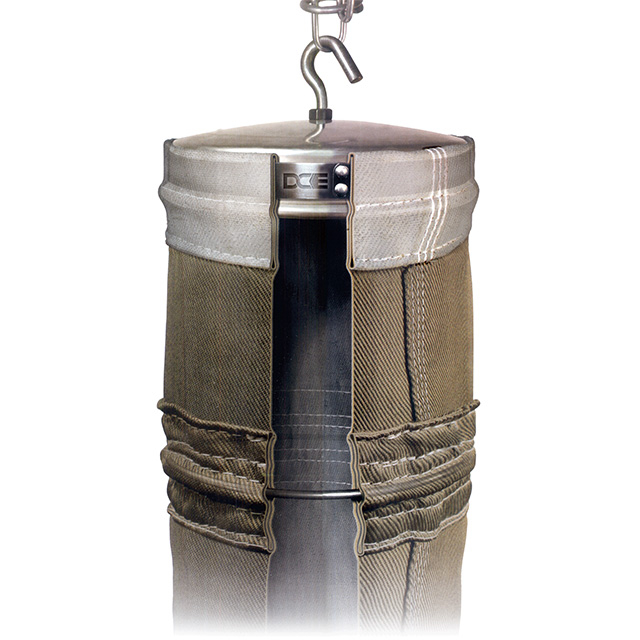
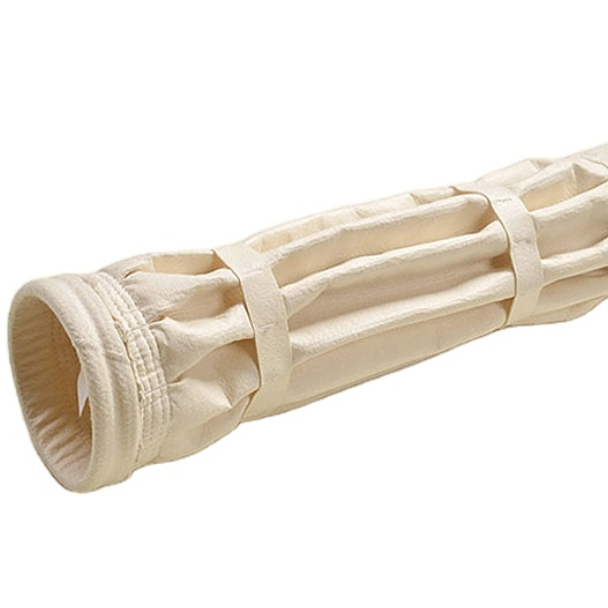
Standard cages will destroy these premium bags. The fibers have low flex-abrasion resistance. When the pulse-jet fires, the bag expands and slaps against the metal cage wires. If the wires are too far apart, the fabric flexes too deeply. This excessive flexing snaps the brittle fibers.
You must upgrade your support cages. Highlight the strict requirement for tight wire spacing. Use cages with 20, 22, or 24 vertical wires to provide maximum support. Furthermore, the cage surface must feature smooth, burr-free finishes. Even a tiny weld spatter will puncture the membrane. We strongly recommend stainless steel cages or specialized epoxy-coated options.
While chemically invincible, pure fibers are mechanically fragile. We must address this low flex-abrasion resistance during the rollout phase. Careless installers will ruin the bags before the system even turns on.
Never fold or crease the bags sharply. Creases crack the microporous membrane.
Do not drag the bags across grated walkways. Dragging creates pinhole leaks.
Installers must wear clean, soft gloves to avoid damaging the surface film.
Lower the bags slowly into the tubesheet to prevent snagging on the metal edges.
These strict installation protocols are mandatory. A single pinhole compromises the entire emission target.
The Air-to-Cloth (A/C) ratio measures the volume of gas passing through a square foot of filter media. Membranes handle airflow differently than standard felts. You must evaluate your existing baghouse velocities. When transitioning to an ePTFE membrane system, you often need to recalibrate. High interstitial velocities can cause the dust to bypass the hopper and re-entrain onto the bags. Ensure your system design matches the unique permeability characteristics of the new media.
We established clear evaluation criteria throughout this guide. A PTFE Filter Bag is never a universal, casual upgrade. It serves as a highly targeted solution engineered for high-temperature, high-corrosion, or extreme compliance scenarios. When standard fabrics degrade, this specialized polymer provides unmatched operational stability.
Apply strict shortlisting logic before making a procurement decision. Evaluate your baseline pressure drop data thoroughly. Conduct historical failure analyses on your discarded bags to identify chemical attacks. Always review upcoming local emission regulations. These factors dictate whether you need a full membrane or a simple finish.
Take direct action on your system upgrade safely. We strongly recommend requesting formal media testing. Contact a specialized manufacturer to conduct a pilot baghouse audit. This validation step confirms chemical compatibility and ensures your cage hardware can support the new media successfully.
A: Under optimized operating conditions, expect an average lifespan of 3 to 5 years. This duration depends heavily on mechanical wear rather than chemical or thermal breakdown. Proper cage design and accurate pulse-jet timing are critical to achieving this maximum lifespan.
A: We strongly advise against aggressive washing. Washing poses severe risks of delamination, where the membrane separates from the substrate. It also causes a permanent loss of filtration efficiency. Industry-standard maintenance limits cleaning to dry sonic methods or highly specialized, gentle vacuuming.
A: These specific fibers suffer from poor flex-fatigue resistance. A low wire count allows the bag to flex violently during cleaning cycles. This repeated bending snaps the fibers. A higher support density, typically 20 or more wires, restricts movement and prevents premature mechanical failure.
A: No. While the surface membrane inherently prevents dust penetration, it does not act alone. Overall system design, the air-to-cloth ratio, and pulse-jet cleaning efficiency govern true pressure drop. You must optimize the entire baghouse environment to realize the energy savings.