Views: 0 Author: Site Editor Publish Time: 2026-06-04 Origin: Site


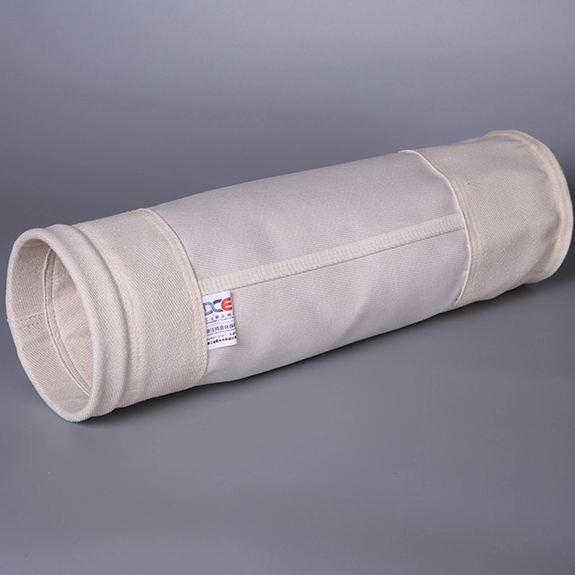
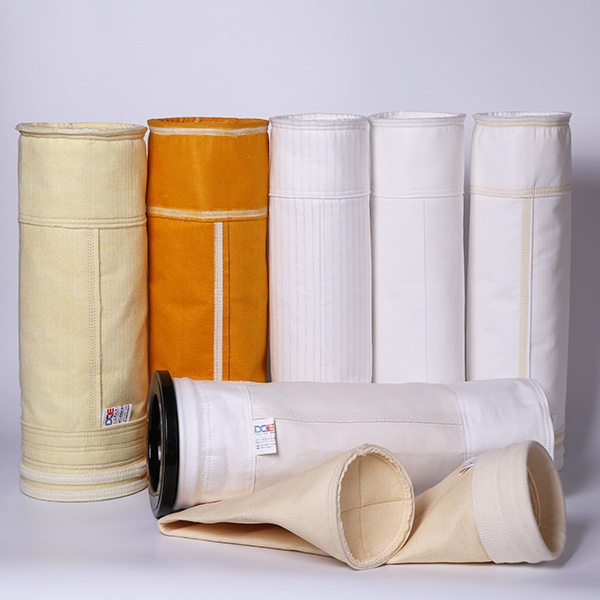
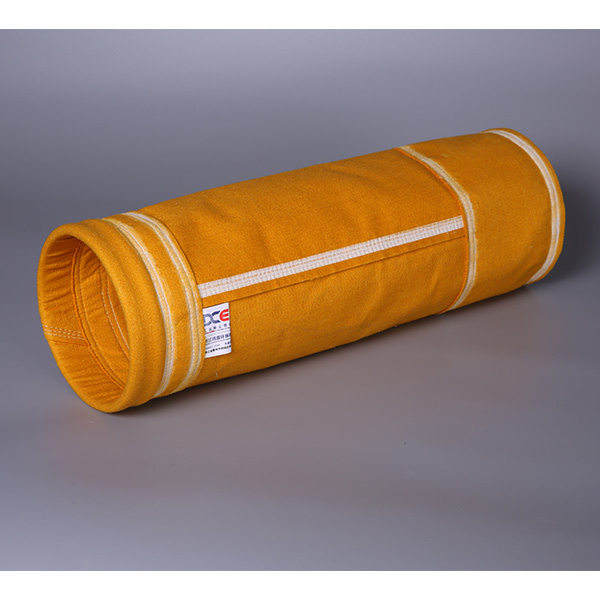
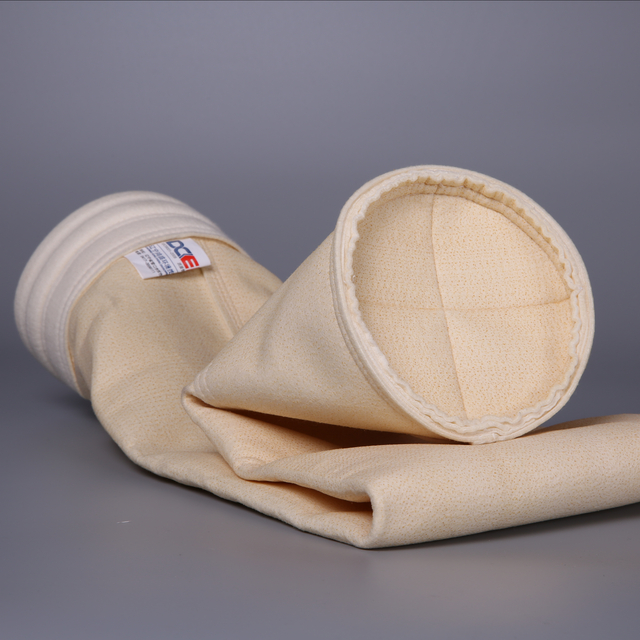
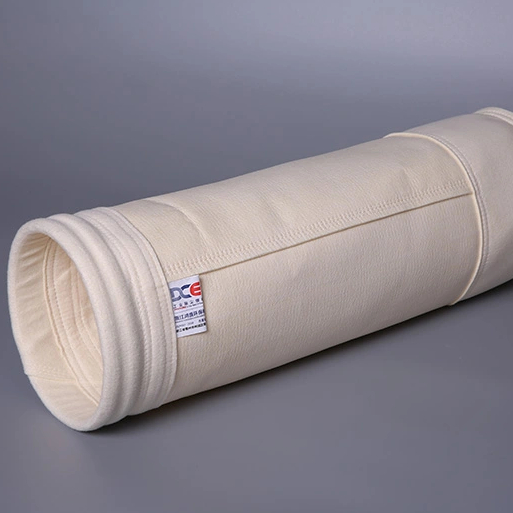
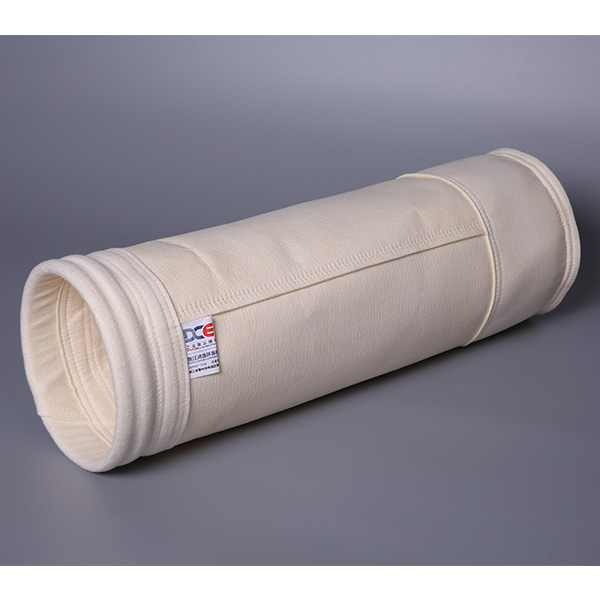
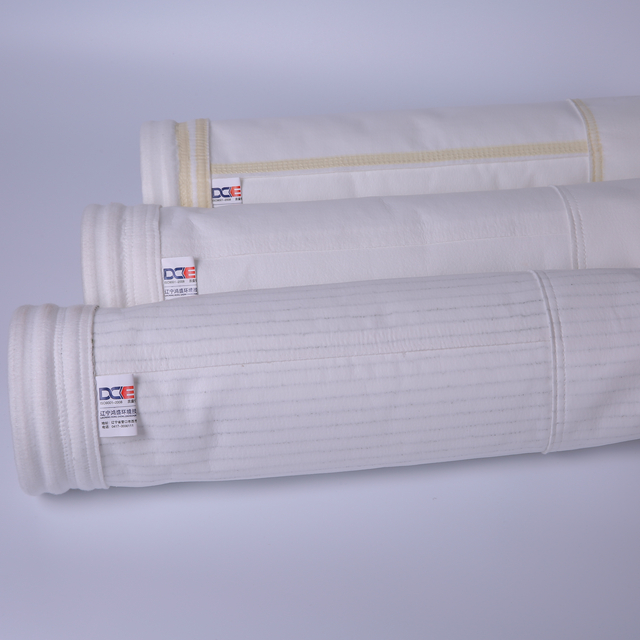
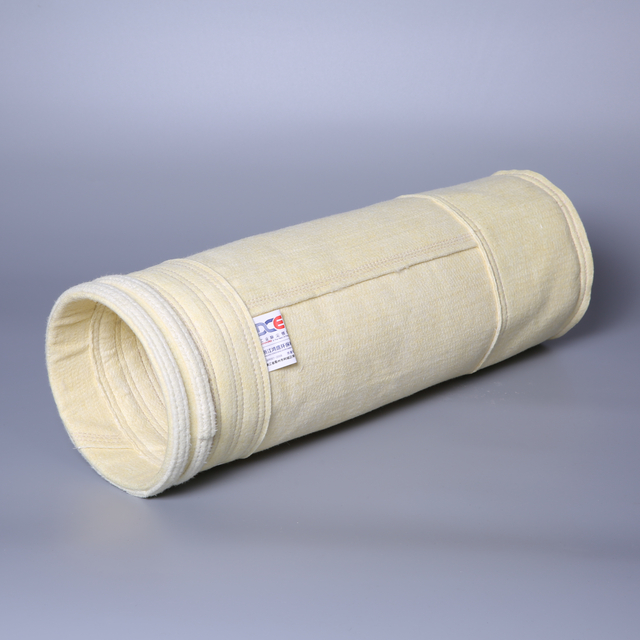
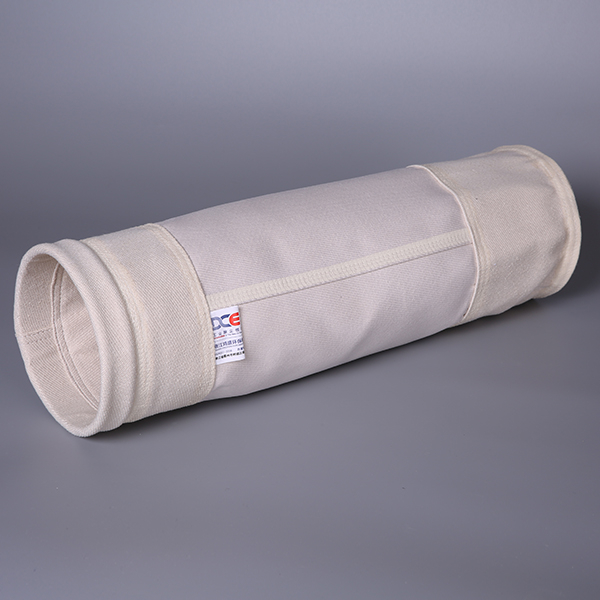
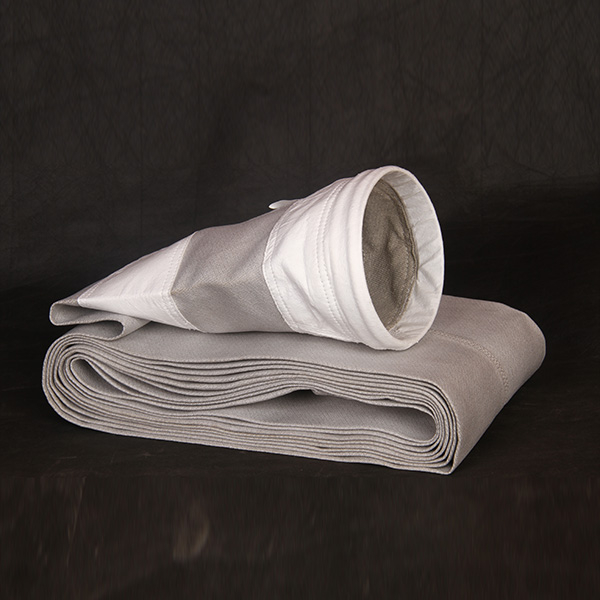
Industrial filtration leaves zero room for guesswork. Making bottom-of-funnel decisions carries incredibly high stakes. Selecting the wrong high temperature Filter Bag easily leads to catastrophic thermal degradation. You risk rapid compliance failures. You face costly unplanned downtime. High temperature industrial filtration typically involves continuous operations above 250°F (120°C). These extreme conditions push ordinary materials past their structural breaking points. Operators must accurately assess thermal limits to prevent systemic dust collector failures. We developed this article to provide a strictly evidence-based, technical framework. We will help you evaluate the correct media. You will learn to shortlist precise material specifications for extreme operating environments. Relying on accurate data ensures long-term operational success. We focus exclusively on practical engineering principles to guide your evaluation process smoothly.
Peak vs. Continuous Temperature: Never base material selection solely on surge limits; continuous operating temperature is the primary baseline.
Gas Stream Chemistry dictates survival: Moisture and oxygen levels at high temperatures will aggressively degrade otherwise heat-resistant fabrics (e.g., hydrolysis in Aramid).
Custom finishes (like ePTFE membranes) are often necessary to bridge the gap between thermal resistance and fine particulate capture.
Operators frequently confuse continuous temperatures and surge limits. Continuous temperature represents the constant thermal load during normal daily operations. Surge temperature is the maximum heat spike occurring briefly during system upsets. You must prioritize the continuous rating when selecting your media. If continuous operations exceed structural limits, you risk severe thermal shrinkage. The fabric undergoes rapid embrittlement. A Filter Bag will physically warp. It eventually tears under the immense stress of pulse cleaning. Never use a surge rating as your baseline. It provides a false sense of security. Always measure temperature directly at the baghouse inlet. Heat loss across ductwork often obscures the true thermal load entering the collector.
Heat aggressively accelerates chemical reactions inside your collector. You must critically evaluate the presence of acids, alkalis, and moisture. Hydrolysis acts as a notorious silent killer. It occurs when trapped moisture and high heat combine. Oxidation also severely attacks specific polymer structures. These complex chemical processes destroy fabrics well below their maximum temperature ratings. Relying purely on thermal limits often causes unexpected premature blow-outs. We recommend a strict three-step chemical assessment:
Measure the baseline moisture content during standard operations.
Determine the precise percentage of oxygen in the gas stream.
Identify trace acidic or alkaline compounds emitted by your raw materials.
Completing this assessment prevents disastrous media mismatches. It preserves the integrity of your entire dust collection system.
Dust abrasiveness directly impacts fabric longevity. Assess agglomeration tendencies before finalizing your material choice. High temperatures fundamentally alter gas volume. Hot air expands rapidly inside the ductwork. This thermal expansion alters the actual air-to-cloth ratio inside the system. You will require specific permeability adjustments to maintain filtration efficiency. Heavy, highly abrasive particles demand robust fabrics. Sticky particulates require slick surface treatments to ensure proper release. Ignore the gas volume expansion, and you will undersize the collector. Undersizing leads to high interstitial velocities. This rapidly shreds even the most expensive filtration media.
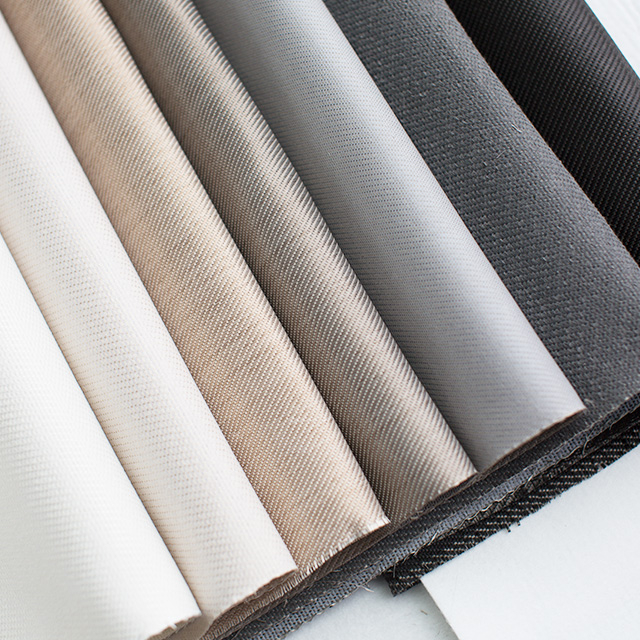
Industrial applications require highly specific engineering polymers. We compare four industry-standard materials below. This matrix helps you understand the functional boundaries of each option.
Material | Max Operating Temp | Primary Strengths | Key Vulnerabilities |
|---|---|---|---|
Aramid (Nomex®) | 400°F (204°C) | Excellent dry heat resistance, high tensile strength | Highly susceptible to hydrolysis in moisture |
PPS (Ryton®) | 375°F (190°C) | Outstanding chemical and acid resistance | Requires environments under 8-10% O2 |
Fiberglass | 500°F (260°C) | Superior heat tolerance, high tensile stability | Poor flex abrasion resistance |
PTFE (Teflon®) | 500°F (260°C) | Maximum chemical and thermal stability | Poor resistance to certain alkali metals |
Aramid performs exceptionally well in dry heat applications. It handles continuous operating limits up to 400°F (204°C). Asphalt plants and cement kilns frequently utilize Aramid. It provides excellent tensile strength and mechanical durability. However, operators face significant limitations in moist environments. Aramid remains highly susceptible to hydrolysis. High moisture content degrades the fibers rapidly. The fabric will literally break down into a brittle shell. Once hydrolysis begins, you cannot reverse the damage. You must replace the entire set immediately.
PPS operates safely up to 375°F (190°C). Coal-fired boilers heavily rely on PPS media. It handles high-moisture and acidic environments remarkably well. Yet, it carries a strict oxygen vulnerability. PPS must operate in environments containing less than 8-10% oxygen. Excess oxygen causes rapid oxidation and structural failure. Engineers must carefully monitor oxygen levels. Startup and shutdown sequences frequently introduce fresh air. This fresh air spikes oxygen levels temporarily. You must manage these transitions carefully to protect the media.
Fiberglass offers incredible thermal resilience. Operating limits reach comfortably up to 500°F (260°C). Metallurgy facilities and high-heat chemical processing industries depend on it. Despite the extreme thermal tolerance, it suffers from poor flex abrasion resistance. The actual glass fibers snap easily under repeated mechanical stress. Proper operation requires strict cage tolerances. Installers must handle the Filter Bag incredibly carefully. Any rough handling causes micro-fractures. These fractures expand during pulse-jet cleaning. This ultimately leads to premature structural failure.
PTFE ranks highest for overall chemical resistance. It safely sustains continuous temperatures up to 500°F (260°C). Waste-to-energy plants and extreme chemical environments benefit greatly. PTFE handles nearly all aggressive compounds encountered in modern industry. However, it shows poor resistance to specific alkali metals. The material also demands careful handling during the installation process. Rough handling easily causes pinhole leaks. These leaks compromise the entire compliance boundary.
Standard media utilizes depth filtration. Dust naturally penetrates the fabric matrix to form a restrictive cake. High-temperature applications often demand surface filtration instead. Surface filtration strictly keeps particulates outside the fiber structure. This prevents irreversible media blinding. Extreme heat bakes embedded dust into the fibers. A surface-focused Filter Bag maintains optimum permeability far longer. It easily releases the heavy dust cake during pulse cleaning. Depth filtration fails rapidly when handling sticky or highly agglomerative ash.
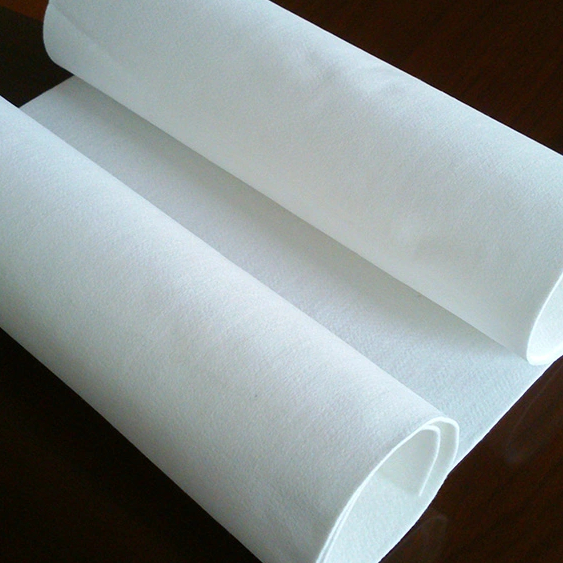
Adding an ePTFE membrane transforms standard woven or felted fabrics. The lamination acts as a micro-porous, non-stick shield. This dynamically improves the micron rating of the fabric. Operators experience several distinct advantages:
Superior dust cake release during standard cleaning cycles.
A consistently lower differential pressure drop across the tube sheet.
Near-zero particulate penetration into the base fabric.
Enhanced resistance to fine sub-micron particulate emissions.
You easily maintain strict environmental compliance using this technology. The slick surface simply prevents particles from anchoring.
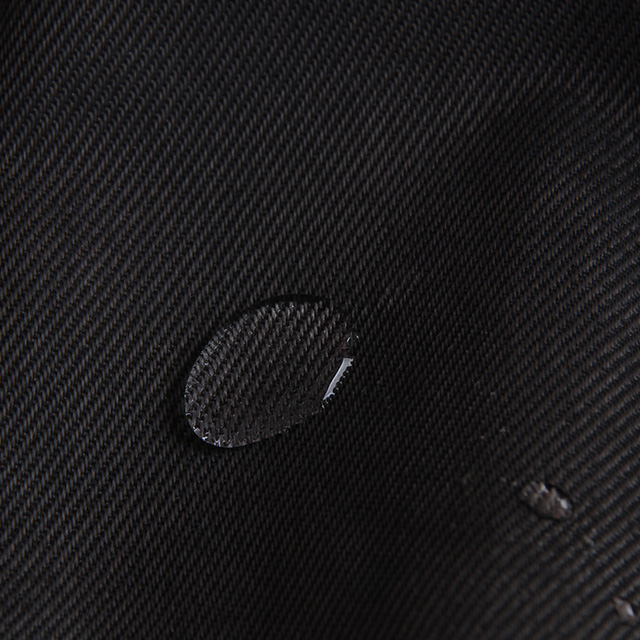
Hostile environments demand specialized secondary coatings. Manufacturers apply advanced acid-resistant treatments. These protect base fibers from chemical degradation. Singeing burns off loose fibers to create a highly uniform, smooth surface. Glazing applies targeted heat and pressure to flatten the fabric. These precise mechanical treatments reduce dust entanglement. They significantly extend the operational lifespan of the media. Chemical baths provide crucial hydrophobic and oleophobic properties. This prevents moisture from blinding the fabric pores.
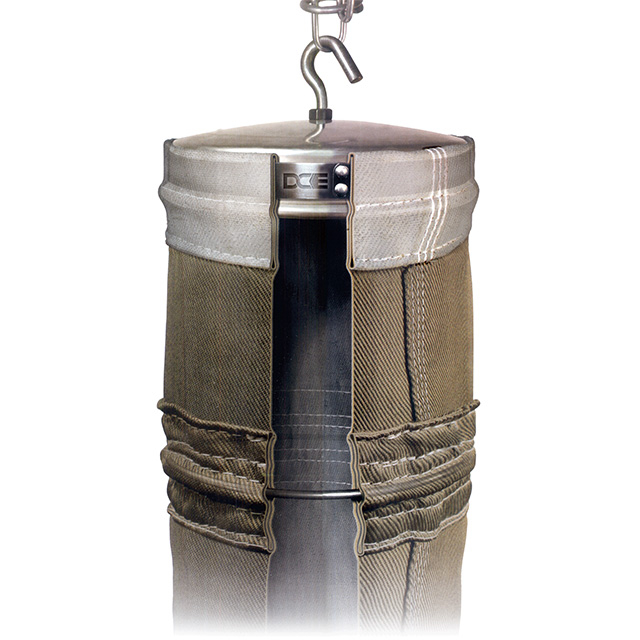
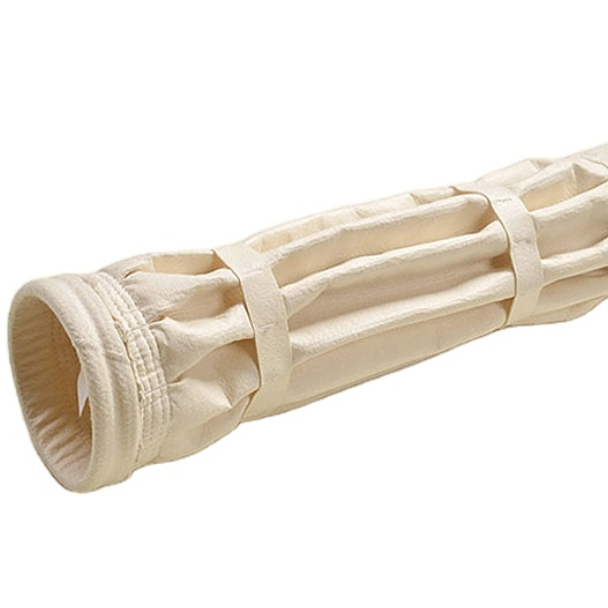
Hardware condition directly dictates media survival. You must assess cage condition before beginning installation. A perfectly specified Filter Bag will fail prematurely on bad hardware. Corroded cages act exactly like coarse sandpaper. Incorrectly sized cages cause excess flexing during cleaning. This proves especially critical for fragile Fiberglass media. Tight tolerances prevent abrasive fiber snapping. We strongly advise replacing pitted or rusted cages. Inspect the tube sheet for burrs or sharp edges. Sharp edges easily slice through expensive membranes during the seating process.
Environmental compliance forms the absolute backbone of industrial operations. Frame your purchase strictly as a proactive compliance safeguard. Proper material selection ensures strict adherence to emission mandates. Local and EPA particulate matter (PM) regulations remain unforgiving. A blown media element causes an immediate regulatory breach. Reliable fabrics maintain continuous emission boundaries. You avoid unpredictable spiking and subsequent regulatory fines. Regulators closely monitor continuous emission monitoring systems (CEMS). High-quality fabrics keep your CEMS data flat and compliant.
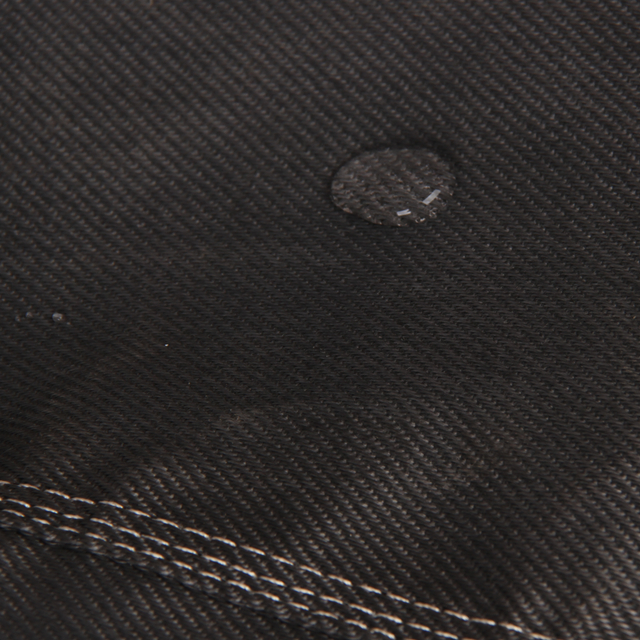
Never re-order media without understanding previous failures. Instruct your maintenance team to perform a detailed forensic analysis. Examine the removed Filter Bag meticulously. Look closely for explicit signs of chemical attack versus thermal degradation. Discolored, brittle fabric usually indicates ongoing oxidation or active hydrolysis. Melted or fused fibers point toward unmanaged temperature surges. Identifying the exact root cause effectively narrows down your material choices. We recommend sending failed samples to an independent laboratory. Lab analysis eliminates dangerous internal guesswork.
Hold your manufacturers to incredibly high technical standards. Ask vendors for comprehensive technical data sheets (TDS). Request independent testing results verifying chemical compatibility. Obtain clear, written guarantee conditions before signing any purchase order. A reliable supplier eagerly provides specific permeability and tensile strength metrics. Transparency prevents costly performance surprises after installation. Ask them to verify the continuous temperature limits in writing. Do not accept vague marketing claims over empirical laboratory data.
Standard catalog sizes often lead to disastrous fitment issues. Emphasize the strict necessity of custom sizing validation. Provide the manufacturer with exact tube sheet hole dimensions. Share detailed cage specifications and wire counts. A loose fit causes continuous abrasion and massive dust leakage. A remarkably tight fit risks tearing the fabric during installation. Precision measurement is entirely non-negotiable. Measure multiple holes across the tube sheet. Tube sheets frequently warp under high heat. A standardized size rarely fits a warped housing perfectly.
Selecting the correct filtration media requires meticulous, evidence-based analysis. You must perfectly match continuous operating temperatures. Carefully assess the complex chemical vulnerabilities of your process gas stream. Standardizing on advanced surface treatments often resolves persistent blinding issues. Proper hardware sizing eliminates costly mechanical failures. Take proactive steps today to secure your industrial system. Consult closely with a technical filtration specialist. Request a comprehensive laboratory analysis of your current dust. Armed with accurate, real-world data, you can finalize a highly resilient specification. Secure your operational uptime and maintain flawless environmental compliance.
A: Thermal shrinkage occurs almost instantly. The fabric loses essential tensile strength and becomes highly brittle. Micro-pores melt closed, leading to immediate blinding and rapid structural failure. The system will experience an irreversible spike in differential pressure.
A: No. High moisture at elevated temperatures causes severe hydrolysis in Aramid fibers. The moisture chemically breaks down the polymer chains. The material quickly becomes extremely brittle and shatters under normal pulse-jet cleaning cycles.
A: An ePTFE membrane provides a critical dual benefit. It delivers exceptional sub-micron filtration efficiency by enforcing surface filtration. Additionally, it offers a robust, non-stick protective barrier against chemical attack and moisture penetration.
A: Avoid using a flat timeline. Replacement relies entirely on operating hours and differential pressure trends. Monitor the system closely. Schedule replacements during planned maintenance when pressure drops remain consistently high despite aggressive, continuous cleaning cycles.