Views: 0 Author: Site Editor Publish Time: 2026-05-11 Origin: Site


Industrial facilities face a massive challenge today. They must balance strict environmental compliance like NESHAP standards with maximum operational uptime. High-temperature and high-airflow environments make this balancing act even harder. Standard filtration media often fail or degrade under extreme thermal stress. This is where fiberglass filter fabric becomes an essential solution. It serves as the foundational media for scenarios requiring intense thermal stability and low pressure drop. However, its effectiveness depends heavily on proper specification. You must choose the correct weave, weight, and surface treatment for your specific environment.
This guide provides a transparent, technical framework for facility engineers and procurement teams. We will help you evaluate whether fiberglass is the correct filtration medium for your specific industrial or commercial application. You will learn about its anatomy, performance thresholds, and how it compares to alternative materials.
Operates continuously at high temperatures (up to 250°C–260°C) with near-zero dimensional shrinkage.
Relies on the "dust cake" mechanism rather than the raw fabric for primary fine-particulate filtration.
Offers exceptional chemical resistance (excluding hydrofluoric acid) but is vulnerable to moisture deterioration and flex fatigue.
Achieves a lower Total Cost of Ownership (TCO) in heavy industrial baghouses when specified with appropriate PTFE or graphite/silicone treatments.
Manufacturers spin this material directly from fine glass fibers. These fibers typically range from 6μm to 60μm in diameter. The specific diameter heavily influences the flexibility and tensile strength of the final product. Higher silica content is utilized for extreme high-heat and corrosive environments. This structural chemistry allows the material to withstand conditions where natural fibers or standard plastics would instantly melt or degrade.
Production methods dictate how the media performs under stress. Most industrial applications rely on woven fiberglass fabric built using continuous yarns. This continuous structure provides massive tensile strength. The specific weave pattern directly impacts airflow and abrasion resistance. Engineers generally select from three primary weave patterns:
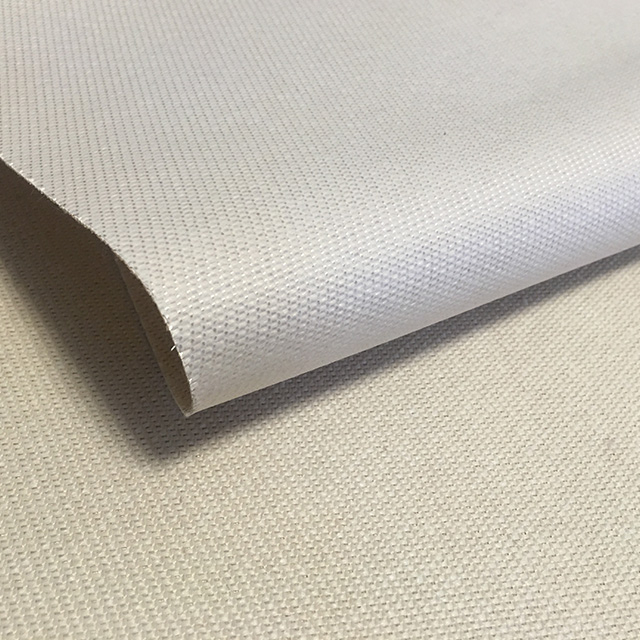
Plain Weave: Offers the lowest porosity. It provides the highest resistance to airflow and captures larger particulates quickly.
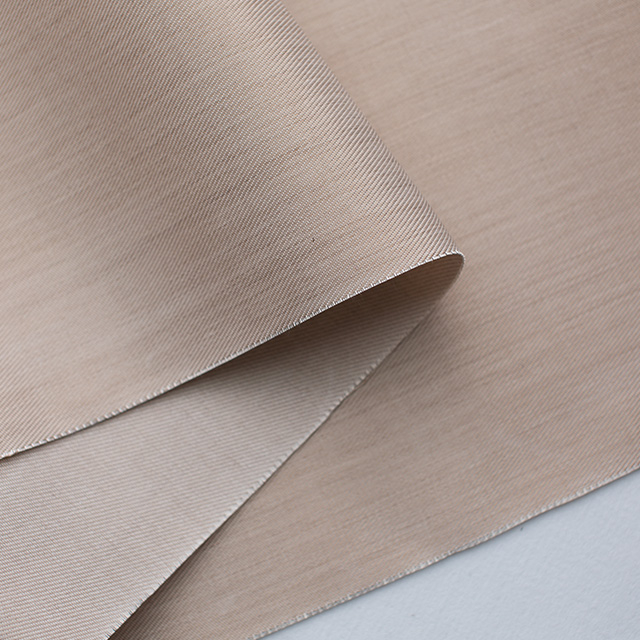
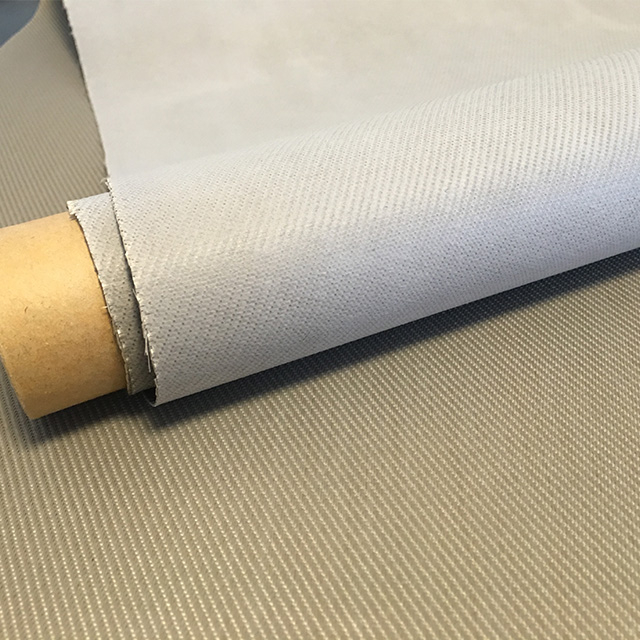
Twill Weave: Delivers an excellent balance. It maintains good breathability while resisting mechanical wear.
Sateen Weave: Features a smooth surface. It is best for dust cake release during aggressive cleaning cycles.
Many people misunderstand how this material actually filters air. Woven fabrics act primarily as a substrate. They do not catch microscopic dust on their own. True filtration efficiency is achieved once the initial "dust cake" forms on the fabric's surface. The accumulated dust layer performs the actual fine-particle trapping. Industry experts call this the sieve effect. The fabric simply holds the cake in place.
You can operate this material continuously at temperatures between 250°C and 260°C. It easily handles transient temperature spikes up to 280°C. This makes it indispensable for combustion and smelting exhausts. Furthermore, the material highlights broad resistance to most industrial acids and alkalis. However, you must avoid hydrofluoric acid entirely. Hydrofluoric acid attacks the glass matrix and destroys the fabric almost instantly.
Despite its strength, the material has distinct vulnerabilities. You must design your systems to mitigate these two primary failure modes:
Flex Fatigue: The glass fibers are relatively brittle. They face susceptibility to physical abrasion during repeated pulse-jet cleaning cycles. The threads can snap if they bend too sharply against metal support cages.
Hydrolysis and Moisture: Condensation poses a severe risk. You face a high risk of deterioration when the material is exposed to high humidity within the system. Moisture breaks down the chemical bonds in the glass fibers over time.
You should always evaluate supplier datasheets using authoritative metrics. Reputable manufacturers test their products rigorously. Use the following table to understand standard ASTM criteria when reviewing specifications:
Test Metric | Standard Method | What It Measures | Why It Matters for You |
|---|---|---|---|
Permeability | ASTM D-737 | Airflow resistance through the fabric. | Ensures the system motor will not overexert itself pushing air. |
MIT Flex | Standard Flex Test | Resistance to self-abrasion and bending. | Predicts lifespan against mechanical cleaning pulses. |
Mullen Burst | ASTM D-3786 | Amount of pressure required to rupture the cloth. | Ensures the bag will not explode under high reverse-air pressure. |
Tensile Strength | ASTM D-5035 | Maximum pulling force before tearing. | Guarantees structural integrity during hanging and operation. |
Heavy industry relies heavily on this material. It serves as the standard material for pulse-jet and reverse-air baghouses. You will find it operating constantly in cement kilns, steel manufacturing plants, and carbon black processing facilities. Coal-fired power plants also depend on it to meet strict ash emission standards. These environments routinely exceed the melting point of standard polymer plastics.
This material plays a different role in commercial and residential HVAC setups. Facilities use them as flat, low-resistance pre-filters. They are ideal for protecting system motors from overloading. They achieve this by maintaining exceptionally high airflow rates. However, they are limited to capturing large particulates like lint, hair, and coarse dust. They do not effectively filter microscopic allergens.
Beyond traditional air filtration, manufacturers use this material as a foundational layer. It acts as a structural base for PTFE membranes. The high tensile strength makes it perfect for aerospace applications and demanding pipeline insulation. It provides a rigid, fireproof skeleton for various composite materials.
You must weigh performance trade-offs when choosing between materials. Synthetic media like Polyester, PPS, and Aramid often feature pleated designs. These synthetics achieve much higher MERV ratings out of the box. They easily hit MERV 8 to 13+ for microscopic allergens. Raw fiberglass typically only provides MERV 1 to 4 efficiency.
Durability also differs significantly. Synthetics resist moisture degradation far better than glass threads. However, synthetics possess much lower continuous temperature thresholds. For example, Aramids generally top out around 200°C. Polyester fails well below that. Glass handles 260°C continuously without shrinking.
Metal wire cloth presents another alternative. Wire cloth is washable and completely reusable. This leads to a lower long-term replacement frequency. However, installing stainless steel wire cloth requires a massive initial capital expenditure. In contrast, fiberglass offers vastly superior surface area and dirt-holding capacity. It remains a consumable, disposable product, but it captures significantly more debris before clogging.
You cannot use a universal thickness for every application. Fabric density dictates the appropriate cleaning mechanism. Manufacturers offer varying weights. A lightweight 330g fabric works perfectly for gentle reverse-air cleaning systems. Conversely, you must use a heavy-duty 850g fabric for aggressive pulse-jet systems. The heavier weight prevents the violent compressed air bursts from tearing the cloth.
Raw glass threads rarely survive long in abrasive industrial settings. Surface treatments change the material's structural endurance completely. Using proper coatings is vital for performance.
PTFE Impregnation and Membrane (ePTFE): This finish is crucial for increasing dust cake release. The slick surface stops sticky dust from blinding the pores. It greatly improves the filtration of fine particulate like PM2.5. Additionally, the PTFE layer protects the underlying fibers from chemical moisture.
Silicone and Graphite Coatings: These act as heavy-duty lubricants. They are essential for lubricating the fibers. The coating prevents the threads from sawing into each other during continuous physical cleaning cycles. It effectively neutralizes flex fatigue.
You must balance the initial unit cost of fiberglass filter cloth against long-term operational factors. Cheaper, untreated raw fabrics might save money on the purchase order. However, they frequently fail early due to flex fatigue. When evaluating options, closely calculate your replacement frequency. Factor in the energy consumption caused by system pressure drops. Blinding fabrics force system fans to work harder and consume more electricity. Always measure these ongoing operational expenses against potential downtime risks when choosing your final specification.
Raw fiberglass remains unmatched for high-heat and high-airflow applications. It delivers extreme thermal stability and predictable airflow resistance at a highly competitive price point. However, raw glass alone is rarely enough for heavy industrial use. The material requires strategic surface treatments like PTFE or graphite for long-term viability against moisture and physical wear.
Procurement and engineering teams must take deliberate next steps. Audit your current operating temperatures carefully. Check your exhaust for chemical gas composition, especially moisture or acidic content. Verify the aggressiveness of your baghouse cleaning mechanisms. Once you define these parameters, request specific fabric samples and recent ASTM test data from your manufacturing partners.
A: HVAC fiberglass filters utilize a highly porous design. They are engineered specifically for system protection, not indoor air quality purification. The wide weave allows maximum airflow to prevent blower motors from overheating, but it only catches large debris like hair and heavy dust.
A: No, raw glass fibers face a high risk of deterioration in moist environments. Moisture breaks down the fibers through a process called hydrolysis. If your industrial system involves unavoidable moisture or condensation, you must specify a PTFE coating to protect the fabric.
A: Industry benchmarks show replacement cycles typically range from 2 to 4 years. The exact lifespan depends heavily on your specific operating conditions, the frequency of pulse-jet cleaning cycles, and the level of chemical exposure in your gas stream.