Views: 0 Author: Site Editor Publish Time: 2026-07-18 Origin: Site


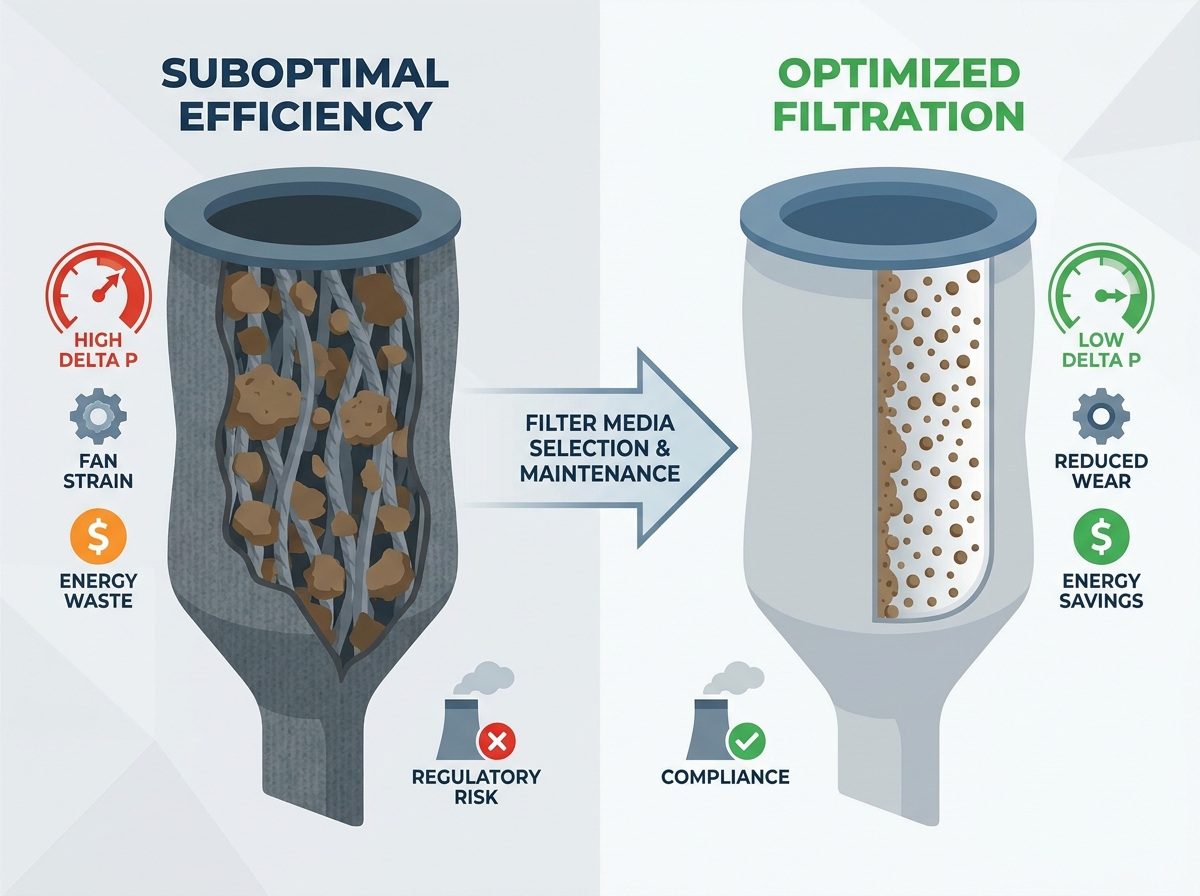
A well-designed dust collector filter bag serves as the critical barrier in your facility. It determines system compliance, operational uptime, and daily energy expenditure. Suboptimal filtration goes beyond simply reducing plant air quality. It accelerates differential pressure (Delta P) buildup. It severely strains your induced draft fan motors. It also introduces the risk of hefty regulatory fines. Facility managers and engineers need a reliable, evidence-based framework. You must evaluate, select, and manage your filter media effectively. Doing so ensures you achieve your exact target filtration efficiency. This article will guide you through that exact process. We will explore the business impacts of poor filtration. We will compare various media types. You will also learn to identify application-specific risks. Finally, you will discover how to validate ongoing performance and forecast replacement cycles accurately.
Filtration efficiency is driven by the precise alignment of filter media, dust characteristics, and operating environment (temperature, moisture, chemistry).
Surface treatments (like PTFE membranes) drastically improve the release of fine particulate, maintaining efficiency and lowering energy costs over time.
Pulse jet filter bags require specific fabric weights and cage fitments to withstand high-impact cleaning cycles without premature mechanical failure.
Monitoring differential pressure and baseline emissions is the most reliable way to evaluate ongoing filter performance and forecast replacement cycles.
Suboptimal filtration severely hurts your operational bottom line. It creates immediate regulatory and compliance risks. Facilities must capture fine PM2.5 and PM10 particles consistently. Failing this basic requirement triggers severe OSHA or EPA violations. It also invites dangerous combustible dust hazards. You must maintain strict NFPA compliance to protect your workforce. A poorly performing filter compromises these critical safety standards.
Next, you must consider your operational energy costs. Dust accumulation eventually causes blinding. Blinding is the severe blockage of microscopic fabric pores. This pore blockage increases the system pressure drop significantly. Your induced draft (ID) fans must work harder. They consume significantly more electricity just to maintain adequate airflow. Energy bills spike as a direct result of this strain. Fixing the filtration efficiency lowers this unnecessary energy burden.
Finally, consider the secondary equipment wear. A failing filter lets abrasive particulate bypass the collection system. This dust travels directly downstream into clean-air plenums. It degrades fan blades rapidly. It damages ductwork and ruins sensitive exhaust silencers. Frequent mechanical maintenance becomes completely unavoidable. Facility managers face unplanned downtime. You spend valuable labor hours repairing damaged downstream machinery. Proper filtration stops this bypass and protects your secondary equipment.
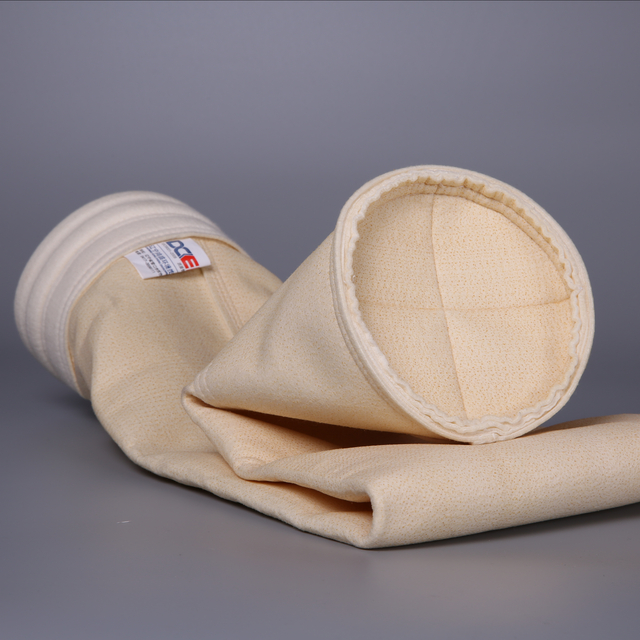
Selecting the right media requires understanding filtration mechanics. You must compare depth filtration against surface filtration. Traditional felt bags rely heavily on depth filtration. They need a built-up dust cake to reach peak efficiency. This cake formation takes valuable time. Conversely, membrane-laminated bags utilize surface filtration. They offer immediate peak efficiency upon installation. They also provide superior dust release during cleaning cycles.
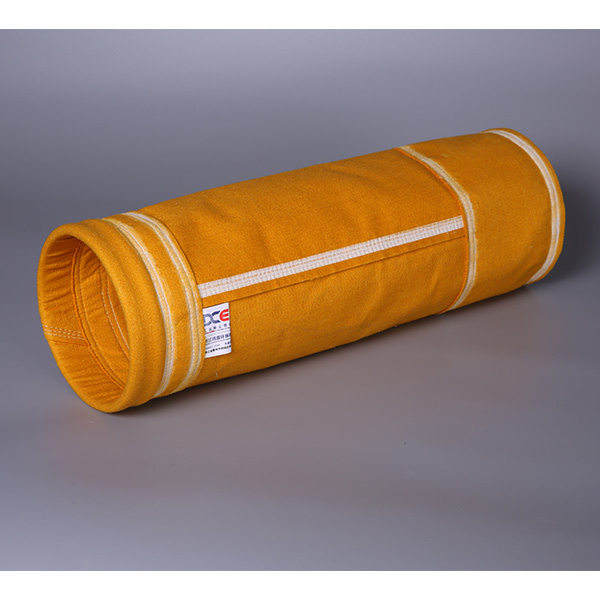
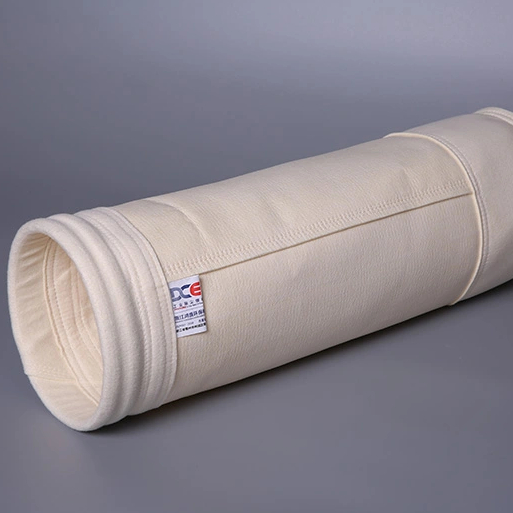
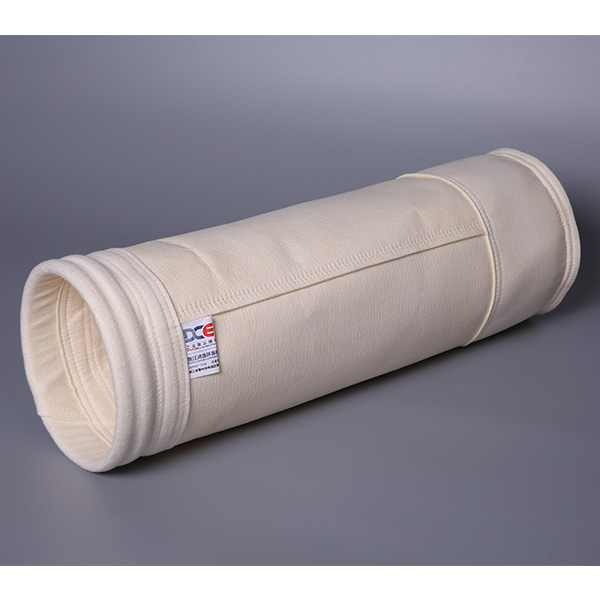
Let us explore common media matrices and their applications. Polyester serves as a cost-effective baseline. It suits standard, dry, low-temperature applications perfectly. Woodworking facilities rely on it heavily. Aramid, often known as Nomex, withstands high temperatures. It resists heavy abrasion effectively. Metalworking and cement plants use it daily. Fiberglass and PPS handle extreme chemical environments. They resist harsh acids and alkalis in boiler applications.
Filter Media Type | Primary Application | Temperature Limit | Key Characteristic |
|---|---|---|---|
Polyester | Woodworking, general dust | 275°F (135°C) | Cost-effective baseline |
Aramid (Nomex) | Cement, metalworking | 400°F (204°C) | High heat resistance |
PPS (Ryton) | Coal boilers, incinerators | 375°F (190°C) | Excellent chemical resistance |
Fiberglass | Foundries, heavy industrial | 500°F (260°C) | Extreme heat tolerance |
Coatings and surface treatments demand evaluation. You must evaluate the specific return on investment. Singed and glazed finishes improve dust cake release noticeably. Anti-static treatments prevent static charge buildup. This prevents dangerous explosive risks. Oleophobic and hydrophobic coatings repel oil and moisture effectively. You must match the treatment to your specific dust characteristics. Doing so maximizes your operational efficiency.
Understanding cleaning mechanism realities is absolutely essential. Your system uses aggressive compressed air bursts. These blasts clear the accumulated dust cake successfully. However, they severely stress the fabric material. Pulse jet filter bags must endure this repeated physical impact. The fabric flexes outward violently during every single pulse. You must select materials engineered for this specific mechanical strain.
Media weight and permeability require a careful balance. Standard applications typically use a 16 oz. fabric density. You need enough density to maximize fine particulate capture. Yet, you must retain adequate air permeability. Too much density causes rapid blinding. Not enough density allows dust to bleed through the fabric. Balancing these two factors ensures consistent, long-term performance.
Cage match and fitment play a critical role. Proper bag-to-cage tolerances are strictly non-negotiable. Loose fits cause excessive flex-fatigue. The fabric snaps too violently against the metal wires. This leads to premature fabric tearing and failure. Tight fits restrict necessary fabric movement. They prevent proper dust cake release during the pulse cycles. Exact sizing prevents both of these critical failures.
Sometimes, physical space is highly constrained. You should evaluate upgrading to pleated filters. Standard tubular bags take up significant vertical room. Pleated spunbond cartridges offer a vast surface area. They lower the internal air-to-cloth ratio dramatically. This upgrade improves efficiency without expanding the equipment footprint. It solves capacity issues in undersized dust collection units.
Different industries face entirely different filtration challenges. Woodworking generates coarse, high-volume dust. You need robust, anti-static media to handle it safely. The dust load is heavy and continuous. Chemical processing presents a completely different obstacle. It creates incredibly fine, hygroscopic powders. These chemical powders absorb ambient moisture quickly. They require PTFE membranes to prevent severe caking and blinding.
Temperature surges and hydrolysis pose major operational risks. Moisture often combines with high operating heat. It mixes with aggressive chemical gas streams. This combination degrades filter media rapidly. Hydrolysis breaks down polymer chains at a molecular level. Unexpected efficiency drops occur very quickly. You must monitor your internal operating conditions constantly. Prevent moisture from entering your high-temperature ductwork.
Abrasive dust profiles demand highly specific strategies. Silica and metal fines are notoriously destructive. They cause severe interstitial abrasion inside the fabric. Bottom-cuff wear happens frequently in these harsh environments. You should implement protective wear baffles inside the hopper. Reinforcing the bottom of the bags extends their lifespan. These targeted strategies prevent catastrophic abrasive failures.
Application Risk Factor | Primary Dust Challenge | Mitigation Strategy |
|---|---|---|
High Moisture Load | Hygroscopic caking | Use PTFE membrane treatments |
Abrasive Particulate | Bottom-cuff tearing | Install metal wear baffles |
Combustible Dust | Static spark ignition | Deploy epitropic anti-static media |
Acidic Gas Streams | Chemical degradation | Upgrade to PPS or Fiberglass |
Tracking your differential pressure, or Delta P, is mandatory. You must define an acceptable operational Delta P range. Watch for a continuously rising baseline over time. A baseline that never resets indicates irreversible blinding. The fabric pores are permanently clogged. You can use this data trend to schedule replacements. Never wait for the system to fail completely.
Visual and quantitative emission checks provide needed clarity. Routine visual stack opacity checks have massive limitations. They only reveal massive, late-stage filter failures. Triboelectric broken bag detectors offer a much better solution. They quantify microscopic particulate spikes in real-time. You can catch tiny leaks before they become visible. This proactive approach prevents environmental fines entirely.
Systematic troubleshooting saves immense time and resources. Do not always blame the filter media immediately. Poor efficiency often stems from underlying systemic issues.
Verify compressed air line pressure. Low pressure causes weak cleaning pulses.
Inspect the diaphragm valves. Faulty valves create uneven air distribution.
Check the hopper for bridging. Dust buildup prevents proper evacuation.
Examine the timer board settings. Incorrect pulse intervals overwhelm the bags.
Shortlisting criteria helps you find the right vendor partner. Look for highly specific manufacturing capabilities. They should offer comprehensive media testing for your dust. Custom sizing ensures perfect cage fitment every time. Always demand ISO-certified manufacturing facilities. These stringent standards guarantee consistent product quality. Quality manufacturing leads to predictable filtration efficiency.
Filtration efficiency is never a static, unchanging metric. It requires continuous, careful alignment across your facility. You must balance the filter material with your system design. Your daily operational realities must guide your engineering choices. Ignoring these factors leads to massive energy waste. It also guarantees premature equipment failure and regulatory headaches.
You must take immediate action to improve your system. We recommend you conduct a thorough media analysis. Review your historical baseline Delta P logs today. Consult a certified filtration specialist about your findings. Evaluate potential media upgrades like PTFE membranes. Upgrading your materials solves persistent efficiency problems effectively. Proactive management guarantees a safer, more efficient operational environment.
A: You should base replacements on performance metrics, not strict calendars. Monitor your differential pressure (Delta P) closely. Replace them when the baseline Delta P remains high after cleaning. Rising emission levels also indicate failure. While industry averages range from one to three years, harsh operating conditions require much faster replacements.
A: We strongly discourage washing industrial filter bags. Washing causes severe fabric shrinkage. It destroys critical surface treatments like PTFE membranes. It also degrades anti-static properties. Industrial replacement is much safer. Replacing them guarantees target filtration efficiency. It prevents unexpected downtime caused by compromised, washed fabric tearing under pressure.
A: The difference lies in fabric density. A 16 oz. bag offers a standard balance of filtration efficiency and air permeability. An 18 oz. bag is thicker and denser. It provides higher mechanical strength. It handles high-abrasion applications better. However, the denser 18 oz. fabric restricts airflow slightly more.
A: Several systemic issues cause poor cleaning. Moisture in your compressed air lines creates sticky dust cakes. Improper timer board settings result in weak or infrequent pulses. Faulty diaphragm valves restrict the air burst. Additionally, using standard felt bags for sticky dust prevents proper release. You may need membrane treatments.