Views: 0 Author: Site Editor Publish Time: 2026-03-30 Origin: Site


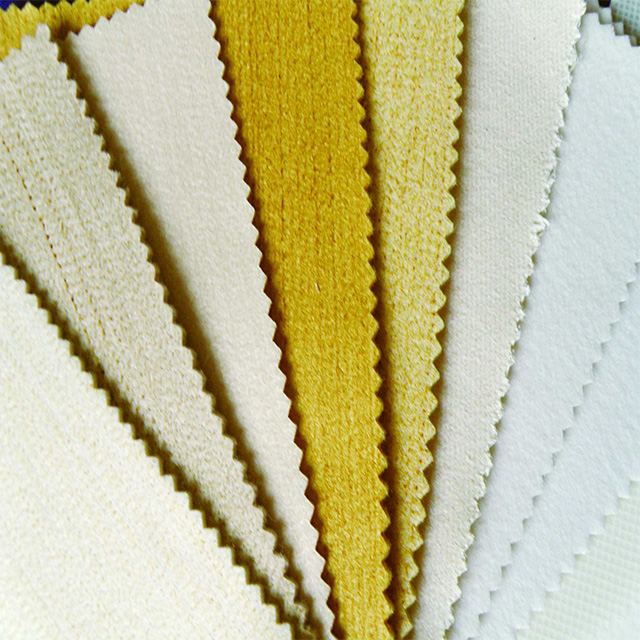
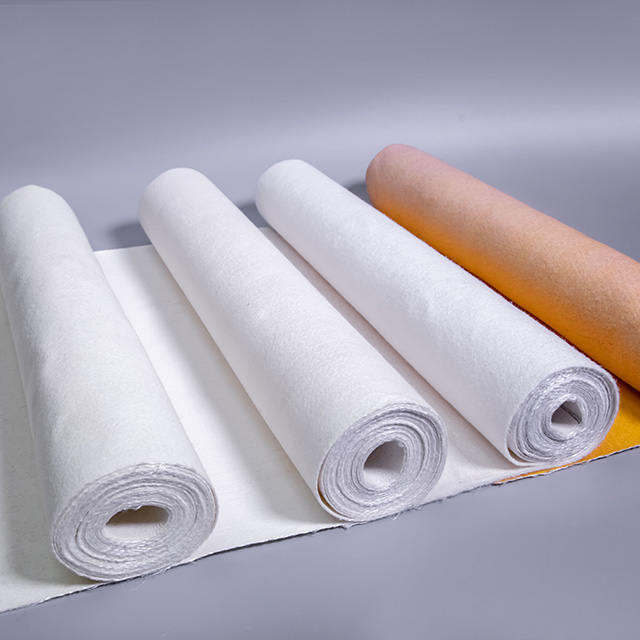
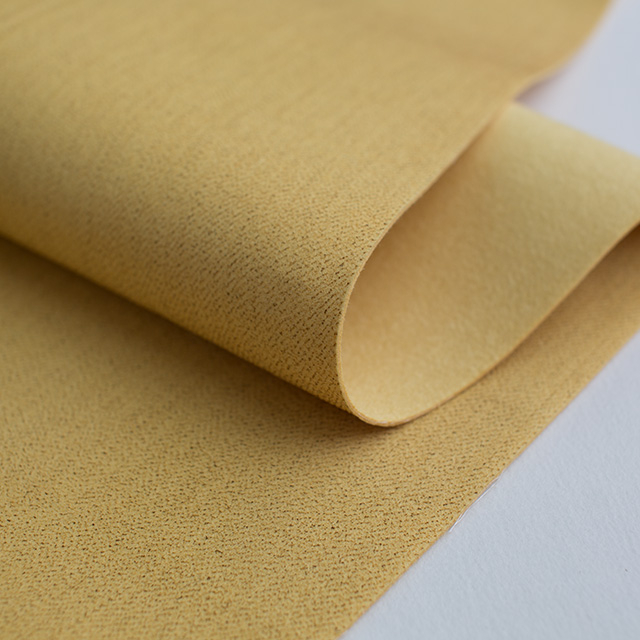
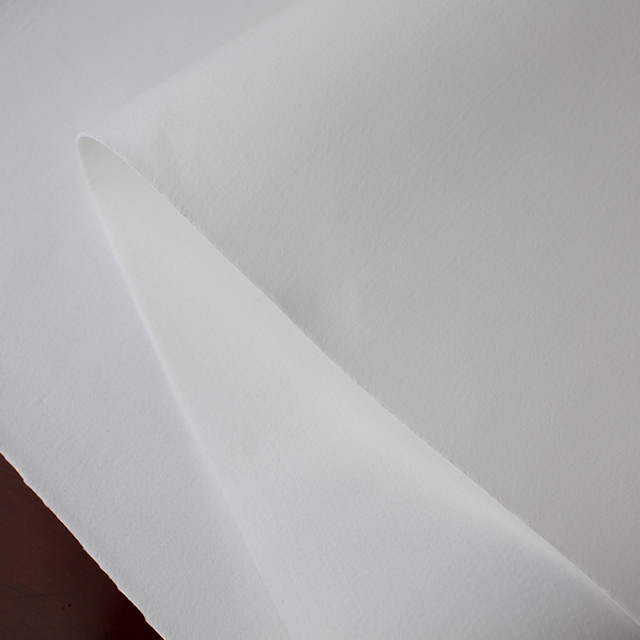
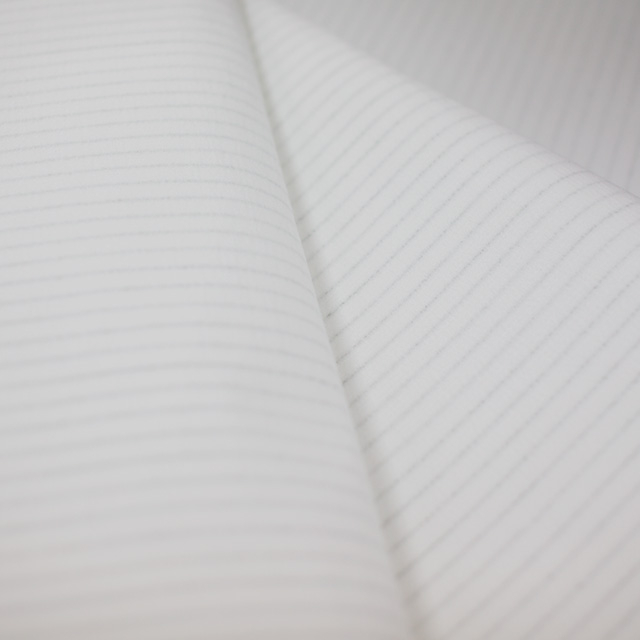
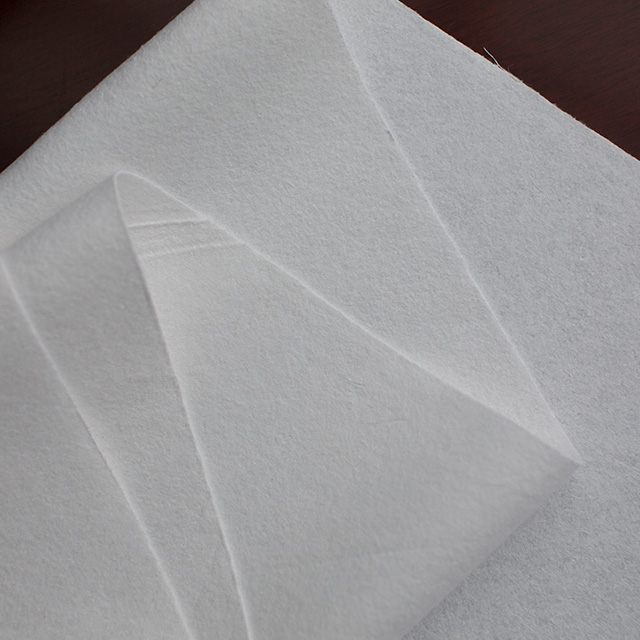
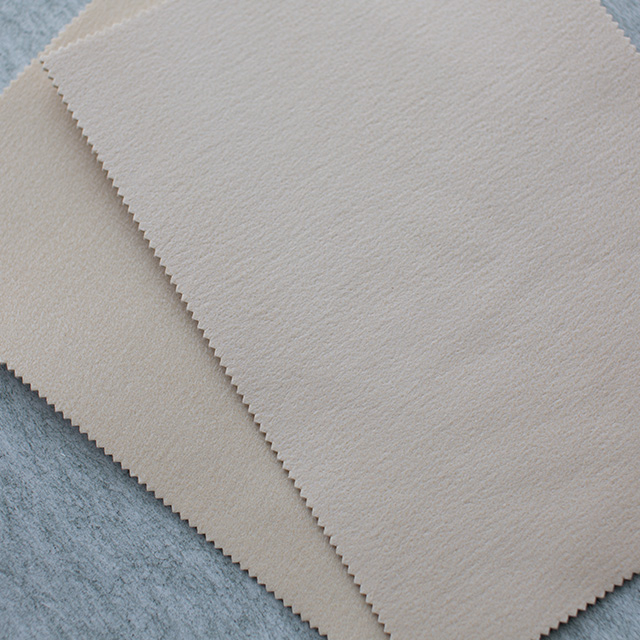
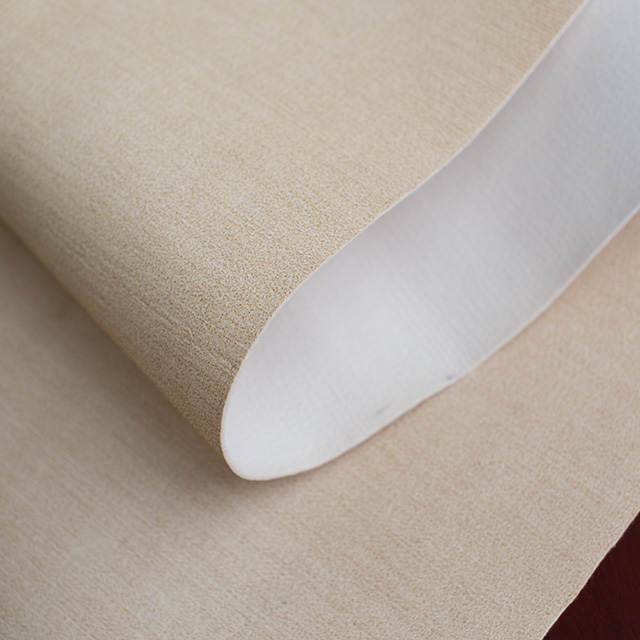
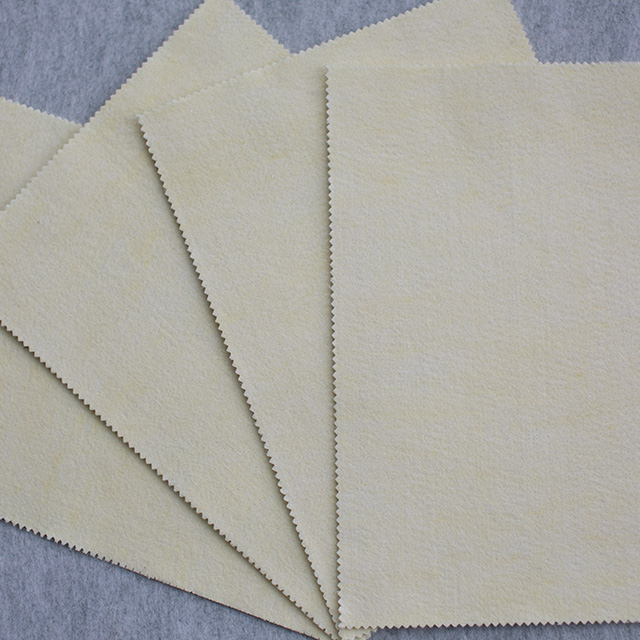
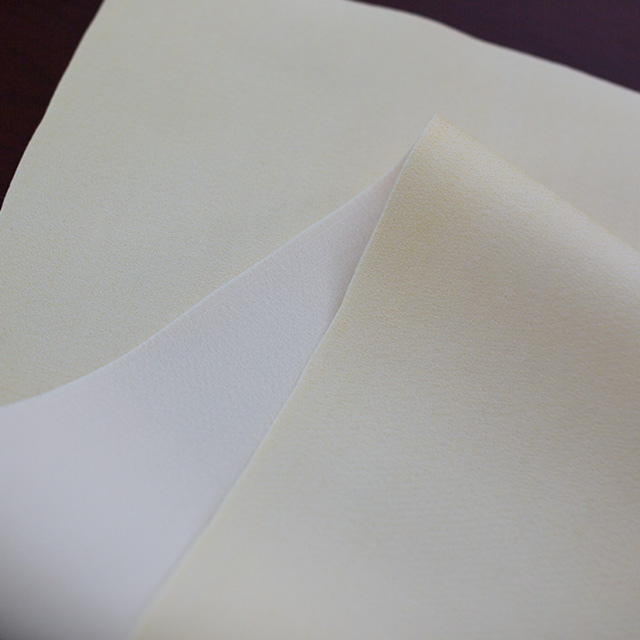
PTFE (Teflon) needle felt is a high-performance filtration material made from polytetrafluoroethylene (PTFE) fibers, known for its exceptional durability and resistance to high temperatures and chemicals. This material is primarily used in industrial filtration systems, particularly in environments where extreme conditions, such as high heat, high dust loads, and exposure to aggressive chemicals, are common. Due to its unique properties, PTFE needle felt is ideal for applications in industries like cement, steel, chemical processing, and waste incineration. A key advantage of PTFE needle felt is its low surface friction and non-stick properties, which help prevent the accumulation of dust and particulate matter. However, the question remains: Is PTFE needle felt easy to clean and maintain, given the demanding environments in which it is used? This article will explore the cleaning and maintenance aspects of PTFE needle felt and examine why it is a preferred choice for many industrial filtration applications.
PTFE needle felt’s low surface friction and non-stick properties prevent dust and particles from adhering to the fabric. This smooth surface minimizes particle buildup, making it easier for contaminants to be removed, which reduces the frequency of cleaning and helps maintain filtration efficiency.
Several cleaning methods are used to maintain PTFE needle felt in industrial filtration systems:
· Pulse-Jet Cleaning: The most common method, pulse-jet cleaning uses bursts of compressed air to dislodge dust particles from the surface of the needle felt, restoring airflow and efficiency.
· Mechanical Cleaning: In some cases, mechanical methods like vibration or brushing are used to remove accumulated particles, though this is less common for PTFE needle felt due to its non-stick nature.
· Chemical Cleaning: For tougher contaminants, mild chemical solutions can break down residues such as oil or grease. This method requires careful use to avoid damaging the material.
Maintenance Routine:
Regular maintenance extends the life of PTFE needle felt:
· Monitoring for Wear: Periodic inspections for signs of damage help catch issues early, preventing further deterioration.
· Cleaning Intervals: Establishing a cleaning schedule based on the operating environment ensures the needle felt remains effective without excessive cleaning.
· System Checks: Regularly checking the filtration system and cleaning equipment ensures everything is functioning optimally, supporting the PTFE needle felt’s performance.
By following these practices, PTFE needle felt can maintain high efficiency and durability with minimal maintenance.
PTFE needle felt offers exceptional resistance to both abrasion and chemicals, which greatly reduces the need for frequent cleaning and maintenance. The material’s ability to withstand harsh environments without degrading means that it maintains its structural integrity and filtration performance over time. Unlike other materials that may wear out or become clogged quickly, PTFE needle felt requires less frequent intervention, thus lowering overall maintenance costs and extending its lifespan.
Due to its self-cleaning properties and effective cleaning methods like pulse-jet systems, PTFE needle felt helps minimize system downtime. The reduced frequency of cleaning translates to fewer disruptions in the filtration process, which leads to higher operational efficiency. By maintaining consistent performance and reducing the need for repairs or replacements, PTFE needle felt contributes to a smoother and more cost-effective filtration system.
While PTFE needle felt is highly resistant to dust and particle buildup due to its non-stick properties, extreme environmental conditions can still present cleaning challenges. In environments with extremely high dust loads or high particulate contamination, the accumulation of fine particles may eventually affect filtration efficiency. Despite PTFE's natural resistance, these heavy loads can create blockages or strain the cleaning system, requiring more frequent cleaning intervals or a more thorough cleaning process to maintain optimal performance.
In some environments, particularly those with heavy contamination or aggressive chemical exposure, specialized cleaning systems may be necessary to fully restore PTFE needle felt’s performance. While pulse-jet cleaning is effective in most cases, it may not be enough in situations with dense, sticky particulates or oils. In these cases, high-pressure systems, automated mechanical scrubbing, or chemical cleaning may be required to remove stubborn deposits. Specialized equipment helps ensure that PTFE needle felt continues to function effectively and maintain its longevity in demanding conditions.
Operating conditions such as high temperatures, chemical exposure, and humidity levels can further challenge the cleaning process. For instance, if the needle felt is exposed to high-temperature gases or aggressive chemical agents, it may become more prone to residue buildup or clogging. These conditions require tailored maintenance schedules and the use of specific cleaning techniques to ensure the material remains effective in harsh environments. Regular monitoring of these factors ensures that the cleaning systems can be adjusted to maintain the material's performance and longevity.
To extend the lifespan and maintain the performance of PTFE needle felt, several preventive measures can be taken:
· Adjust Airflow: Ensuring proper airflow through the filtration system helps prevent excessive buildup of dust and particulate matter. Proper airflow minimizes particle retention on the filter surface, reducing the frequency of cleaning required.
· Monitor Dust Load: Regularly monitoring the dust load is essential to avoid overloading the filter, which can result in clogging or reduced efficiency. Keeping track of dust levels allows for timely cleaning and adjustment of filtration intervals.
· Ensure Proper Installation: Proper installation of PTFE needle felt is critical to its performance. Ensuring the fabric is properly tensioned and sealed in the filtration system prevents unnecessary wear and ensures optimal filtration efficiency. Incorrect installation can lead to excess friction and premature wear.
Routine inspections are crucial to ensure the PTFE needle felt remains in good condition:
· Check for Wear or Damage: Regularly inspect the needle felt for any signs of wear, such as thinning areas or small tears, which could compromise its filtration capabilities. Catching these issues early can prevent further damage and ensure the system continues to operate efficiently.
· Monitor Cleaning Efficiency: During inspections, check the cleaning system (e.g., pulse-jet or mechanical cleaning) to ensure it is functioning optimally. If cleaning performance is declining, it may indicate the need for adjustment or maintenance of the cleaning equipment.
Optimizing cleaning efficiency is essential to maintaining PTFE needle felt over time:
· Automated Pulse-Jet Systems: The use of automated pulse-jet cleaning systems is highly recommended. These systems use bursts of compressed air to clean the needle felt without manual intervention. Automated systems ensure consistent cleaning intervals and minimize labor costs.
· High-Pressure Systems: In environments with heavy contamination or stubborn buildup, high-pressure cleaning systems may be needed. These systems provide a deeper clean, ensuring that even challenging contaminants are removed effectively.
· Regular Calibration of Cleaning Equipment: Regularly calibrating cleaning systems ensures they operate at optimal pressure and frequency, preventing over-cleaning or under-cleaning, both of which can affect the performance of PTFE needle felt.
By following these best practices, PTFE needle felt can remain efficient and durable, minimizing the need for frequent replacements and ensuring long-term performance in filtration systems.
PTFE needle felt’s non-stick properties and low surface friction make it resistant to dust and particulate buildup. This reduces the frequency of cleaning compared to other filter materials, as particles are less likely to adhere to the surface.
In high-dust environments, PTFE needle felt should be cleaned regularly, typically every few weeks, depending on the dust load. However, the self-cleaning properties of PTFE reduce the need for frequent cleaning, and it can often go longer between cleanings compared to other materials.
PTFE needle felt can generally be cleaned with water for most dust and particulate buildup. However, in cases of oil, grease, or chemical residues, specific solvents may be needed. It is important to use mild, non-corrosive cleaning solutions to avoid damaging the PTFE fibers.
Signs that PTFE needle felt requires maintenance or replacement include visible wear, thinning areas, or tears in the material, reduced filtration efficiency, or increased pressure drop across the filter. Regular inspections can help identify these issues early and prevent system failures.
In conclusion, PTFE needle felt is relatively easy to clean and maintain, thanks to its inherent self-cleaning properties and resistance to adhesion. The material’s low surface friction and non-stick nature prevent dust and particles from accumulating, significantly reducing the need for frequent cleaning. With the proper installation, regular inspections to check for wear, and the use of optimized cleaning equipment such as automated pulse-jet systems, maintaining PTFE needle felt becomes a straightforward process. These attributes make it an ideal choice for industrial filtration systems, particularly in environments where durability and minimal maintenance are crucial. By adhering to best practices, PTFE needle felt can deliver consistent high performance, maintain its structural integrity, and extend its lifespan, even in the most demanding operating conditions.