Views: 0 Author: Site Editor Publish Time: 2026-04-02 Origin: Site


PTFE (polytetrafluoroethylene), commonly known as Teflon, is a highly durable and chemically resistant material, widely used in industrial filtration systems. PTFE needle felt is made entirely from PTFE fibers, offering exceptional resistance to high temperatures, chemicals, and abrasion, making it ideal for extreme industrial applications like cement plants, steel mills, and chemical processing. On the other hand, PTFE-coated filter media consists of a base material, such as polyester or polypropylene, coated with a layer of PTFE. This combination provides enhanced chemical resistance and temperature tolerance but may not match the durability of 100% PTFE needle felt. The key question is: What is the difference between PTFE needle felt and PTFE-coated filter media, and how do these differences impact their applications, cost, and maintenance?
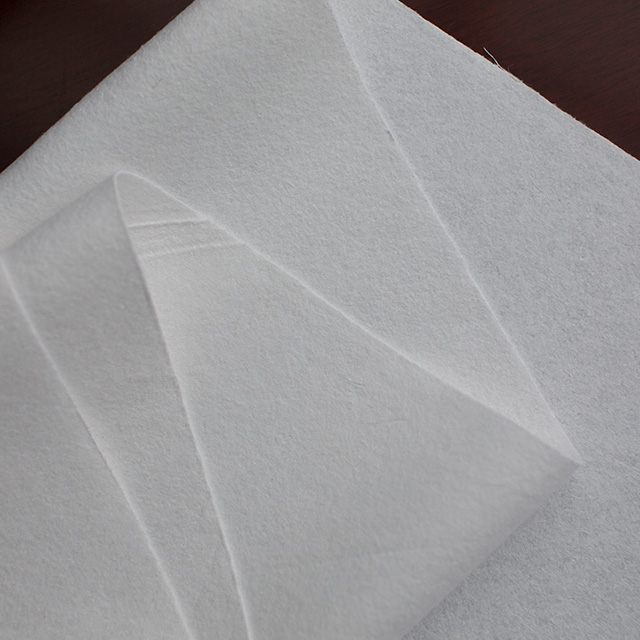
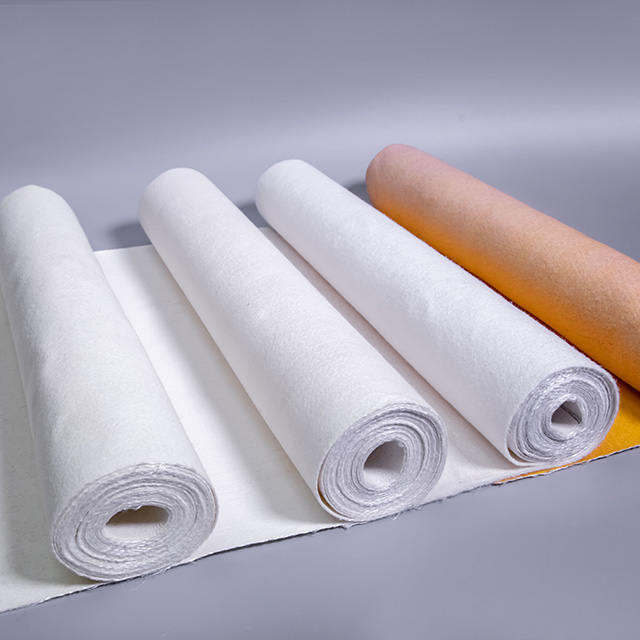
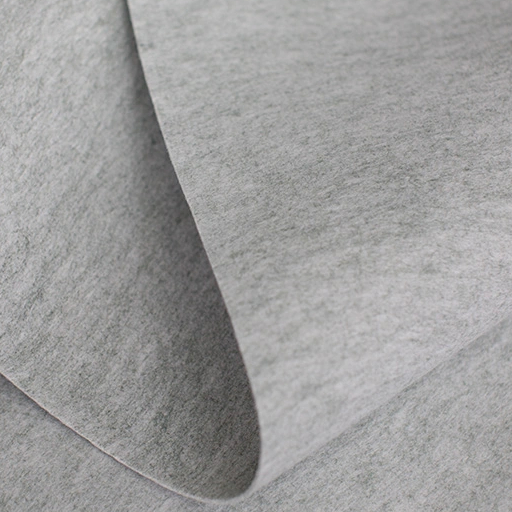
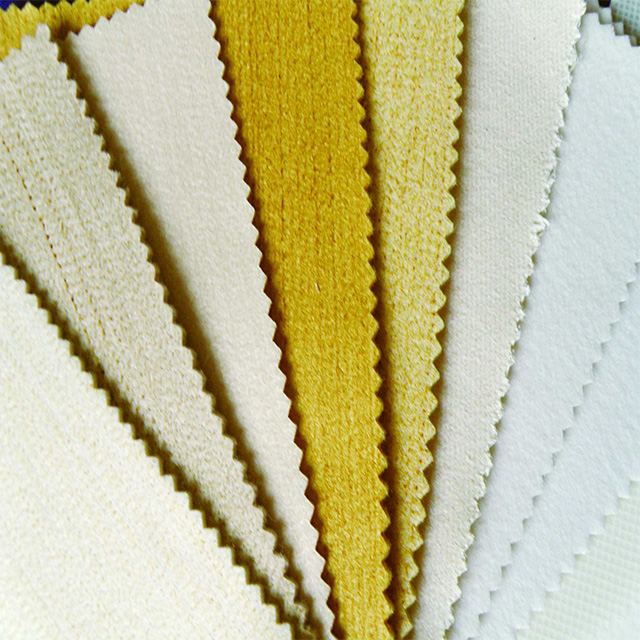
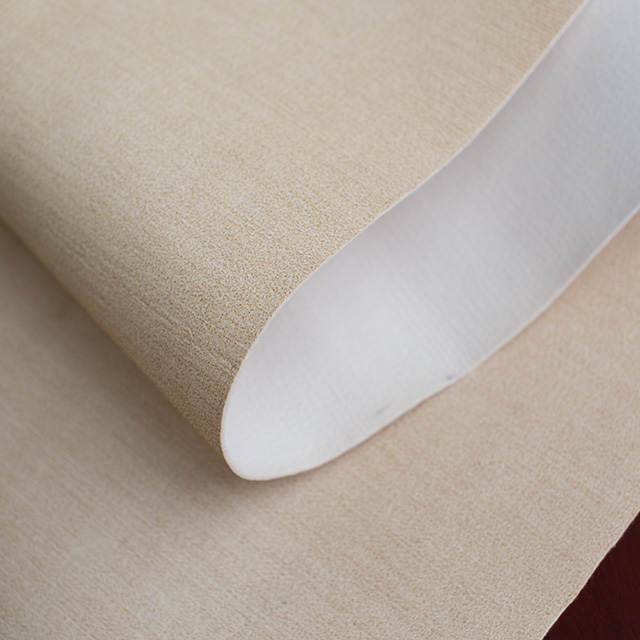
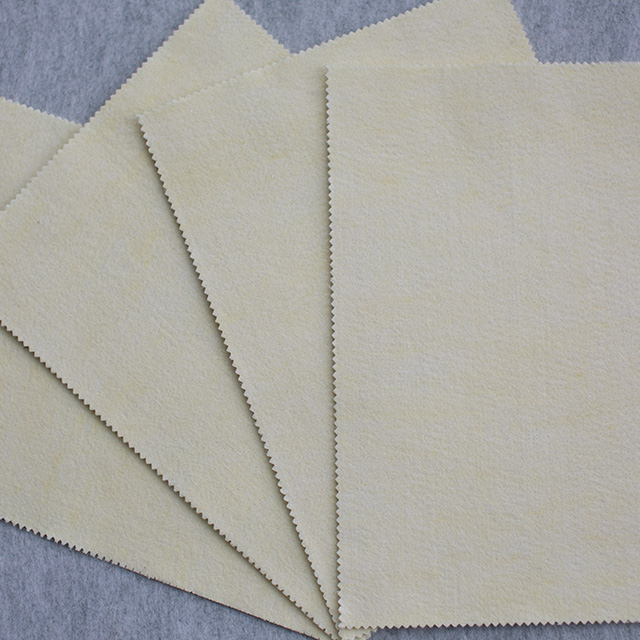
PTFE needle felt is made from 100% PTFE fibers, which are mechanically bonded together using a needle-punching process. This creates a strong, durable, and stable three-dimensional structure that is resistant to wear and abrasion. The resulting material offers excellent filtration capabilities, with fine pores that effectively trap particles while maintaining airflow. The unique properties of PTFE, such as its non-stick surface, high chemical resistance, and outstanding temperature tolerance, make PTFE needle felt a premium choice for filtration in demanding environments.
PTFE needle felt is widely used in industries where high performance is required under extreme conditions, such as:
· Cement Industry: In cement plants, PTFE needle felt is used in dust collection systems to capture fine particulate matter from kilns, grinders, and other equipment.
· Steel Mills: Due to its high temperature and abrasion resistance, PTFE needle felt is ideal for high-temperature filtration in steel production processes, where harsh conditions are common.
· Chemical Processing: The chemical resistance of PTFE needle felt makes it perfect for environments that involve exposure to corrosive gases and vapors, such as in chemical reactors, scrubbers, and exhaust systems.
· Waste Incineration: PTFE needle felt is widely used in waste-to-energy plants and garbage incinerators, where it withstands high temperatures and aggressive chemical fumes produced during waste combustion.
· Pharmaceuticals and Food Processing: In some pharmaceutical and food processing plants, PTFE needle felt is used to ensure air and gas purity while maintaining compliance with stringent health standards.
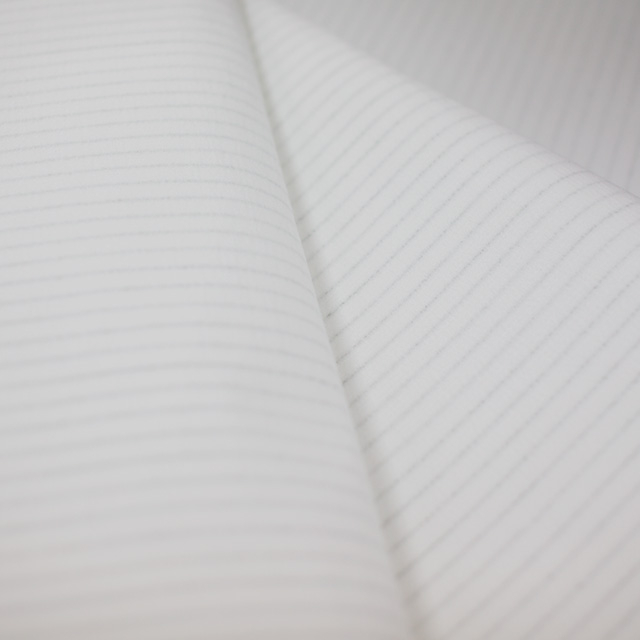
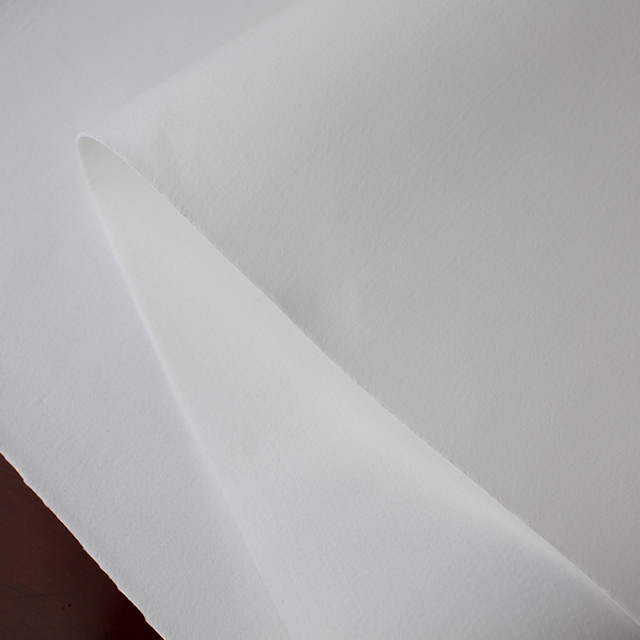
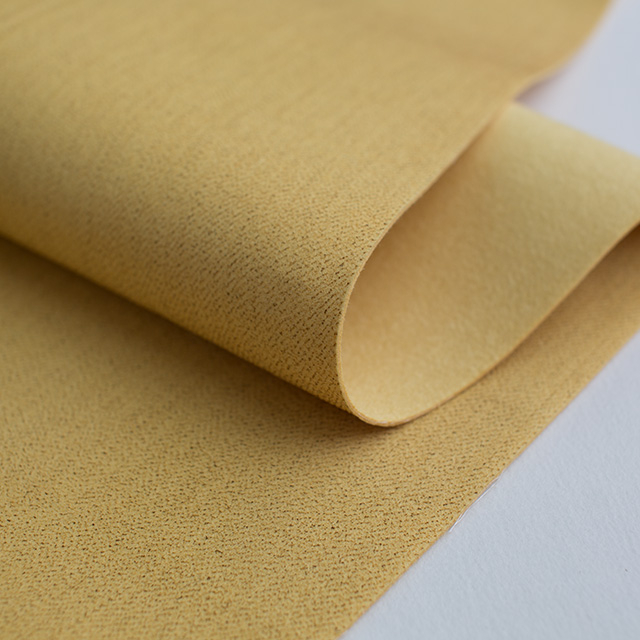
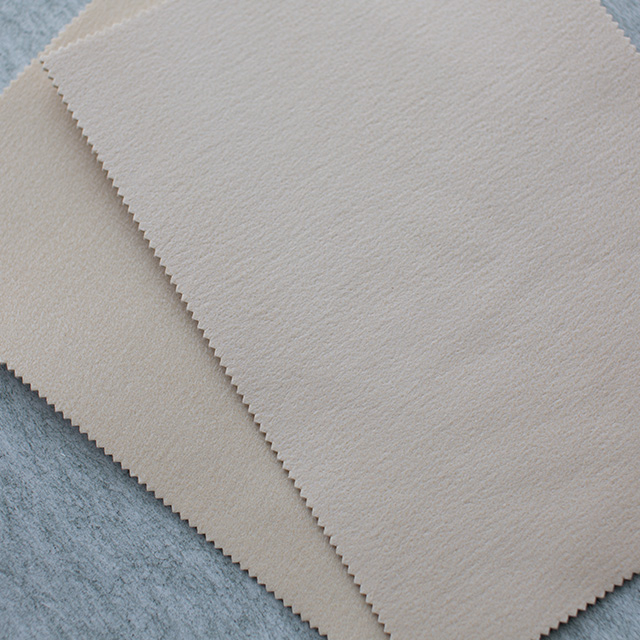
PTFE-coated filter media is composed of a base material such as polyester, polypropylene, or nylon, which is coated with a layer of PTFE (Teflon). The PTFE coating enhances the base material’s resistance to chemicals, heat, and water, providing an additional layer of protection. The coating’s non-stick properties reduce particle buildup on the filter surface, improving the filter’s cleaning efficiency and extending its lifespan. The base material, while offering flexibility and durability, is significantly enhanced by the PTFE layer, making it ideal for specific filtration applications requiring extra protection from harsh chemicals and high temperatures.
PTFE-coated filter media is often used in applications where the combination of chemical resistance and temperature tolerance is crucial, but without the cost or bulk of 100% PTFE materials. Some common applications include:
· Industrial Air Filtration: PTFE-coated filter media is commonly used in air filtration systems, such as in dust collection or fume extraction systems, especially in environments where chemical or particulate contamination is high but extreme temperatures are not constant.
· Food and Beverage: The PTFE coating offers food-grade protection, making it ideal for use in food processing plants, where both chemical resistance and contamination prevention are critical.
· Pharmaceuticals: PTFE-coated filter media is used in air and gas filtration in pharmaceutical manufacturing processes, where the protection against chemical exposure and the prevention of contamination are essential for maintaining product quality.
· Automotive: In the automotive industry, PTFE-coated filters are used in exhaust gas filtration systems, where their resistance to high temperatures and harsh chemical components is vital for maintaining optimal engine performance.
· Chemical Processing: PTFE-coated media is often used in chemical processing applications, particularly in environments involving corrosive gases and solvents, where the coating helps the filter last longer by providing an additional layer of protection against chemical degradation.
· Filtration Performance: PTFE needle felt offers higher filtration efficiency due to its 100% PTFE composition, making it ideal for extreme conditions. PTFE-coated filter media, with a PTFE coating on a base material, has slightly reduced efficiency due to airflow restrictions from the coating.
· Chemical Resistance: PTFE needle felt provides superior chemical resistance due to its full PTFE content. PTFE-coated filter media offers good protection but is limited by the base material, which may not perform as well in aggressive chemical environments.
· Durability: PTFE needle felt is more durable and resistant to wear and abrasion, particularly in high-stress environments. The PTFE coating on filter media can wear off over time, reducing its effectiveness in harsh conditions.
· Cost Differences: PTFE needle felt is more expensive due to its 100% PTFE material, while PTFE-coated filter media is more cost-effective because it uses a cheaper base material with a protective PTFE coating.
· Efficiency: PTFE needle felt is more efficient for extreme conditions, but PTFE-coated filter media is suitable for less demanding applications, offering a balance of performance and cost.
· Ease of Maintenance: PTFE needle felt requires less frequent cleaning due to its low friction surface. PTFE-coated filter media may need more frequent cleaning, and the coating can wear off, making it harder to maintain over time.
Property | PTFE Needle Felt | PTFE-Coated Filter Media |
Composition | Made entirely from PTFE fibers | Base material (e.g., polyester) with PTFE coating |
Chemical Resistance | Excellent chemical resistance due to pure PTFE | High chemical resistance due to the PTFE coating on the base material |
Temperature Resistance | Suitable for temperatures up to 260°C | Similar, but performance may vary depending on the base material (e.g., polyester’s resistance may be lower) |
Filtration Efficiency | High efficiency in extreme conditions, as it does not restrict airflow | Similar efficiency, but the PTFE coating can slightly reduce airflow, impacting overall filtration performance |
Cost | Higher cost due to 100% PTFE content, making it ideal for harsh environments | More cost-effective, as it uses a less expensive base material, making it suitable for moderate conditions |
Maintenance | Easier to maintain with self-cleaning properties and low particle adhesion | May require more maintenance as the PTFE coating can wear off, leading to a decrease in cleaning efficiency over time |
This table provides a comprehensive comparison between PTFE needle felt and PTFE-coated filter media, showcasing the advantages and trade-offs in terms of performance, cost, and maintenance. While PTFE needle felt excels in extreme environments, PTFE-coated filter media offers a more affordable solution for applications with less demanding conditions.
PTFE needle felt is generally more durable due to its 100% PTFE composition, making it highly resistant to wear, abrasion, and chemical degradation. PTFE-coated filter media, while durable, may not last as long in harsh conditions, as the coating can wear off over time.
PTFE-coated filter media can be used in high-temperature applications, but its temperature resistance typically depends on the base material. While it can handle moderate temperatures, PTFE needle felt is better suited for extreme temperature environments, withstanding temperatures up to 260°C.
Yes, PTFE needle felt is more expensive than PTFE-coated filter media because it is made entirely of PTFE, a higher-cost material. The coated filter media uses a less expensive base material, making it a more cost-effective solution for moderate applications.
PTFE needle felt typically offers higher filtration efficiency, especially in extreme conditions, due to its non-stick properties and fine pore structure. PTFE-coated filter media can still perform well but may have slightly reduced airflow and filtration efficiency because of the coating layer, particularly in environments with high dust loads.
In conclusion, both PTFE needle felt and PTFE-coated filter media offer significant advantages depending on the specific requirements of your filtration system. PTFE needle felt stands out for its superior chemical resistance, temperature tolerance, and durability, making it ideal for extreme environments, such as high-temperature or highly corrosive conditions. Its 100% PTFE composition provides exceptional performance and longer lifespan, though it comes at a higher cost. On the other hand, PTFE-coated filter media offers a more cost-effective solution, as it uses a less expensive base material coated with PTFE. While it provides good chemical resistance and temperature tolerance, it may not perform as well in harsh conditions, and its maintenance requirements can be higher due to potential coating wear.
If your filtration needs involve extreme conditions with high dust loads or exposure to aggressive chemicals, PTFE needle felt is the better choice due to its enhanced durability and efficiency. However, for moderate filtration applications with less harsh environments, PTFE-coated filter media provides a reliable and more economical option without sacrificing too much in terms of performance.