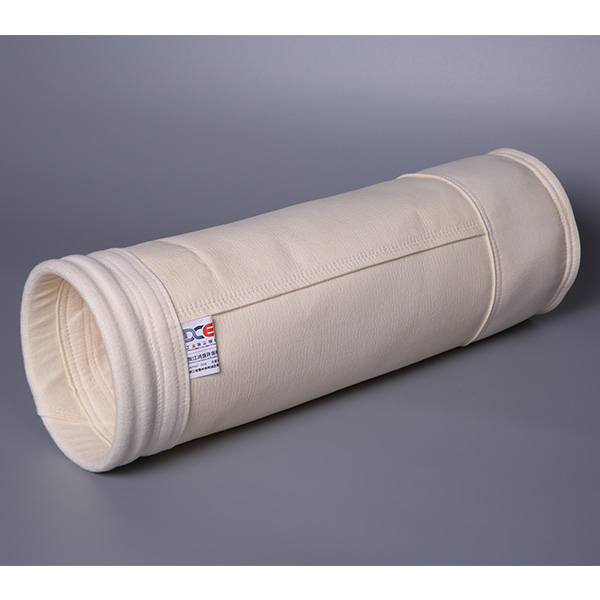
Views: 0 Author: Site Editor Publish Time: 2026-10-15 Origin: Site


The tubesheet connection is the absolute failure point for dust bypass in industrial dust collection systems. If this seal fails, particulate matter blows straight into the clean air plenum. You immediately face regulatory compliance violations and rapid wear on downstream fans. You must lock down this barrier to keep the system running.
Incorrect top configurations cause massive operational headaches. Poorly seated bags lead to premature media failure. Complex changeouts drag out maintenance schedules. Forcing your crew into a dark, dust-filled hopper increases safety risks. You need a connection method built for your specific equipment architecture.
Evaluating snap band vs ring top filter bags comes down to understanding your existing baghouse design. Your decision hinges on whether you run a top-load or bottom-load unit. We will break down the labor efficiency, seal integrity, and mechanical requirements of both setups to optimize your maintenance strategy.
Architectural Dependency: Snap band filter bags are engineered exclusively for top-load baghouses (clean-side installation), while ring top filter bags are typically utilized in bottom-load systems (dirty-side installation).
Seal Mechanics: Snap bands utilize a flexible, built-in metal band to create a positive, self-expanding seal against the tubesheet, whereas ring tops rely on overlapping bag material, cages, and sometimes clamps or venturis for tension.
Labor and Downtime: Snap band installations significantly reduce maintenance downtime and eliminate the need for confined space entry into the dirty air plenum, lowering labor costs and safety risks.
Precision Requirements: Snap bands require highly precise tubesheet hole measurements and pristine tubesheet conditions to prevent leakage, whereas ring tops offer slightly more tolerance for older, warped tubesheets.
Table of Contents
The tubesheet connection secures filter bags and separates the dirty-air chamber from the clean-air chamber in a baghouse dust collector. A properly fitted connection helps prevent dust from bypassing the filtration media and supports reliable dust collection performance.
Different filter bag top configurations, including snap band and ring top designs, use different sealing and fastening methods. Selecting the correct connection depends on tubesheet dimensions, operating conditions, and installation requirements.
Explore our Industrial Filter Bags for different industrial filtration applications.
Top-load and bottom-load baghouses differ mainly in filter installation direction and maintenance access.
Top-load systems allow technicians to install and remove filter bags from the clean-air side, commonly using snap band or compatible flange connections.
Bottom-load systems require installation from the dirty-air side and may use ring top or other suitable fastening arrangements.
Comparison Factor | Top-Load Baghouse | Bottom-Load Baghouse |
|---|---|---|
Installation Direction | From the clean-air side | From the dirty-air side |
Common Connection | Snap band, compatible flange | Ring top, other compatible connections |
Maintenance Access | Clean-air compartment | Dirty-air compartment |
Main Advantage | Convenient maintenance access | Compatibility with certain existing collector designs |
Key Consideration | Tubesheet opening and cuff fit | Fastening hardware and safe access |
A reliable filter bag connection should maintain sealing performance throughout normal filtration and pulse-jet cleaning cycles.
Key selection factors include:
Sealing Performance: Minimize dust bypass around the tubesheet opening.
Mechanical Stability: Maintain secure attachment during pressure changes and cleaning pulses.
Maintenance Accessibility: Allow safe installation and replacement.
Temperature Resistance: Match the sealing materials to operating temperatures.
Chemical Compatibility: Resist relevant moisture and corrosive gas exposure.
Properly matching the filter bag connection to the dust collector design helps maintain filtration efficiency and reduce premature component failure.
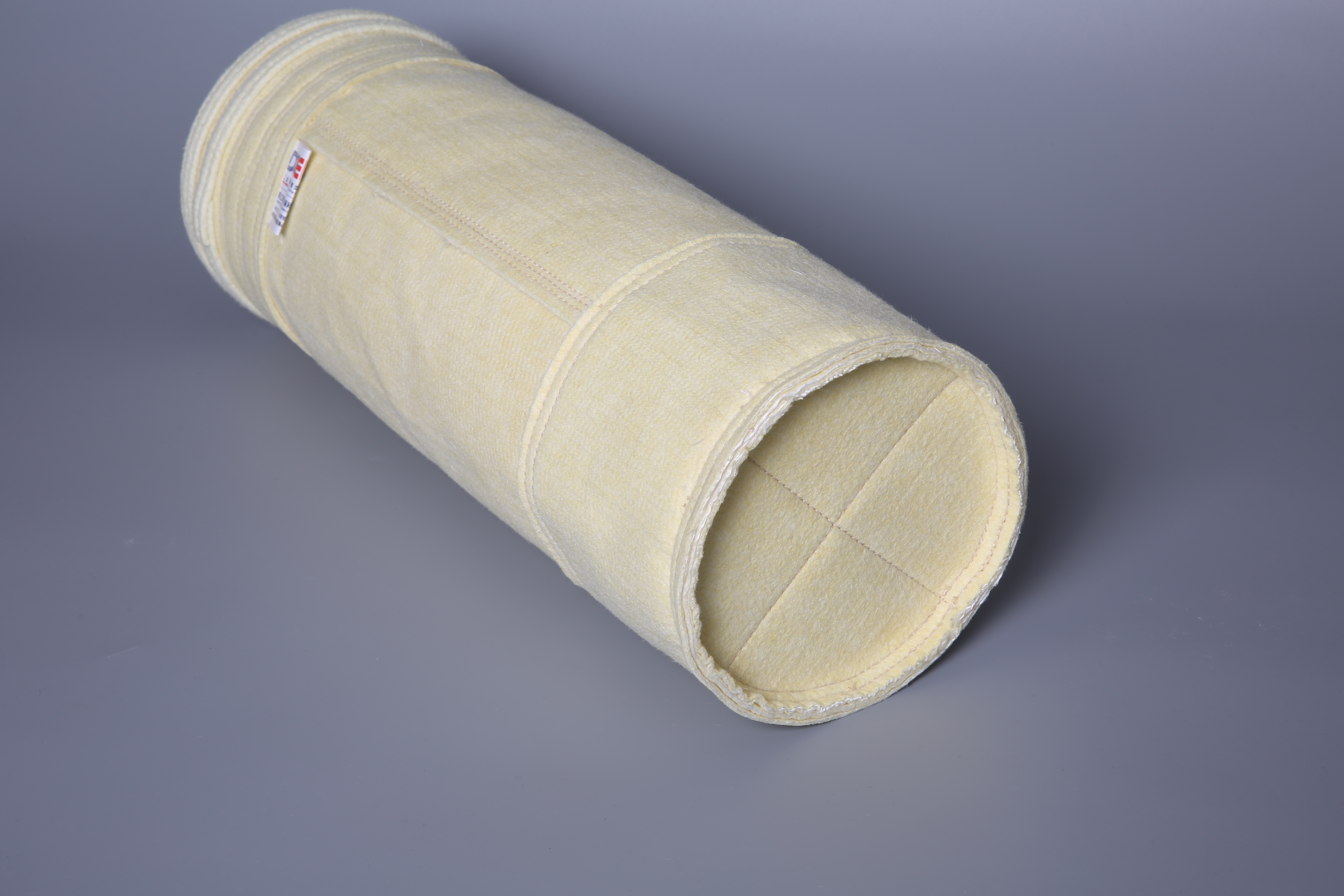
Snap band filter bags use a flexible metal band sewn into the bag opening to secure the filter bag to the tubesheet. They are commonly used in top-load pulse-jet dust collectors, providing a secure seal and convenient filter replacement.
A snap band connection typically consists of a spring steel or stainless steel band enclosed within a fabric cuff. During installation, the band compresses and then expands into the tubesheet opening, securing the filter bag in position.
Proper sealing depends on the band dimensions, tubesheet thickness, hole condition, and gasket design.
The general installation process includes:
Check Dimensions: Verify the filter bag and tubesheet opening.
Insert the Bag: Lower the filter bag through the tubesheet opening.
Seat the Snap Band: Compress and position the band according to the manufacturer's instructions.
Verify the Seal: Confirm the band is evenly seated without wrinkles or gaps.
Install the Cage: Insert the compatible support cage and check its positioning.
Installation procedures may vary by filter bag and dust collector design.
Snap band filter bags offer several advantages:
Convenient top-side installation in compatible baghouses.
Secure mechanical attachment when correctly fitted.
Reduced need for additional fastening components in suitable designs.
Easier filter bag replacement and maintenance access.
Explore our Industrial Filter Bags for different dust collection and filtration applications.
Snap bands require suitable tubesheet hole dimensions and edge conditions. Oversized openings, deformation, corrosion, or damaged edges may prevent proper sealing.
Before installation, maintenance teams should inspect the tubesheet and confirm compatibility with the replacement filter bags.
Ring top filter bags use a rigid metal ring integrated into the bag opening. Depending on the dust collector design, the ring works with supporting hardware or fastening components to secure the filter bag.
Unlike flexible snap bands, ring top connections maintain a fixed shape. The rigid ring provides structural support at the bag opening and works with the designated mounting arrangement to hold the filter bag in place.
Seal performance depends on the tubesheet configuration, supporting hardware, and installation method.
Ring top designs can offer:
Compatibility with certain existing baghouse configurations.
Rigid support around the filter bag opening.
Suitability for selected high-temperature applications when materials are appropriately specified.
Reliable attachment when installed with compatible fastening hardware.
Some ring top filter bags are designed for bottom-load installations, which may require access to the dirty-air compartment and additional maintenance preparation.
Installation can be more labor-intensive than top-load snap band systems. However, the actual procedure depends on the collector design and should follow the equipment manufacturer's instructions.
For compatible support structures, explore our Filter Bag Cages.
Both snap band and ring top filter bags provide mechanical attachment to dust collection equipment, but they differ in connection structure, installation methods, and maintenance requirements.

Snap band filter bags rely on the outward spring force of the embedded metal band to secure the cuff within a compatible tubesheet opening.
Ring top filter bags use a rigid ring and the designated mounting hardware to maintain their position and seal.
Both designs can provide effective dust containment when correctly matched to the dust collector.
Snap band configurations generally allow convenient filter replacement from the clean-air side in compatible top-load baghouses.
Certain ring top systems require bottom-side access and additional fastening steps, potentially increasing maintenance time.
However, installation efficiency also depends on filter length, available access, cage design, and maintenance conditions.
Evaluation Factor | Snap Band Filter Bags | Ring Top Filter Bags |
|---|---|---|
Connection Design | Flexible metal snap band | Rigid metal ring |
Typical Installation | Top-load in compatible collectors | Depends on mounting design; often bottom-load in legacy systems |
Sealing Method | Spring tension and cuff seal | Mechanical support and fastening arrangement |
Tubesheet Requirements | Accurate hole dimensions and suitable edges | Compatible ring and mounting geometry |
Maintenance Access | Often accessible from clean-air side | May require dirty-air side access |
Main Advantage | Convenient installation and replacement | Compatibility with selected existing systems |
Best Application | Compatible top-load pulse-jet baghouses | Baghouses designed for rigid ring connections |
Selecting the appropriate filter bag top configuration depends primarily on the existing dust collector design.
Choose snap band filter bags when the tubesheet and installation arrangement are designed for snap band connections.
Choose ring top filter bags when the equipment requires a rigid ring and compatible mounting hardware.
Before purchasing, confirm the following:
Tubesheet hole diameter and thickness.
Filter bag dimensions and material.
Top-load or bottom-load installation requirements.
Cage and venturi compatibility.
Operating temperature and dust collection conditions.
Matching the filter bag connection to the existing equipment helps maintain sealing performance and reduce maintenance problems.
You cannot swap cages between top-load and bottom-load systems. The cage design must integrate perfectly with the bag top configuration to ensure proper tension and sealing. Using the wrong cage will destroy the bag.
Accurate measurement dictates the success of any filter replacement. You must fully extend the media to measure total length accurately. Lay the bag completely flat on a clean shop floor. Pull it taut to remove any wrinkles or folds. Measure from the bottom seam to the top edge of the snap band or ring. To determine the diameter, measure the flat width of the bag and multiply by 2, then divide by 3.14. Never measure a dirty bag, as dust loading stretches or shrinks the fabric.
Top-load cages feature rolled flange tops or split collars. These tops rest directly on the tubesheet or nest inside the inner circumference of the snap band. The cage top must not interfere with the snap band's outward expansion. If the cage collar is too wide, it will force the band out of the tubesheet groove, breaking the seal instantly.
Bottom-load cages require exact length measurements. These cages often feature a bottom pan that pushes against the bottom of the bag. The top of the cage locks into the tubesheet assembly. The cage must be the exact correct length to pull the rigid ring tight against the underside of the tubesheet. A cage that is too short will result in a loose bag and a broken seal. A cage that is too long will not lock into place.
Comparison of Filter Bag Top Configurations | ||
Feature | Snap Band Configuration | Ring Top Configuration |
|---|---|---|
Installation Access | Clean Air Plenum (Top-Load) | Dirty Air Plenum (Bottom-Load) |
Seal Mechanism | Self-expanding positive tension | Mechanical upward compression |
Labor Intensity | Low (Ergonomic, fast) | High (Confined space, overhead work) |
Tubesheet Tolerance | Requires precise, pristine holes | Tolerates minor warping |
Cage Integration | Rolled flange or split collar (Top) | Venturi/clamp locking assembly (Bottom) |
Safety Profile | High (No confined space entry) | Low (Requires hopper entry) |
Audit your current tubesheet condition during your next scheduled outage to identify warped or rusted holes.
Standardize your facility's measurement protocols to ensure exact sizing for all future replacement orders.
Evaluate the safety logs and maintenance hours associated with your bottom-load changeouts to determine if a top-load conversion is viable.
Consult a filtration specialist to verify that your current cage designs perfectly match your bag top configurations.
A: No. Snap band bags are engineered exclusively for top-load baghouses. They require a clean-side installation to snap into the tubesheet hole from above. Bottom-load systems require bags to be pushed up from the hopper, necessitating ring tops or raw edge configurations.
A: For both types, lay the bag flat and pull it taut to full extension. Measure the overall length from the bottom seam to the top edge of the snap band or metal ring. Measure the flat width and calculate the diameter to ensure it matches your tubesheet hole or cage dimensions.
A: Push the flexible metal band inward with your thumbs to create a "kidney bean" or "U" shape. Guide the grooved gasket into the tubesheet hole edge, then release it smoothly. It must snap outward flush against the metal without any crimps or folds.
A: Leaks typically occur due to improper installation (crimped bands), out-of-round tubesheet holes, or worn, rusted hole edges that cut the felt gasket. Incorrect bag sizing where the band diameter does not match the tubesheet hole will also prevent a positive seal.
A: The durability depends on the environment. Ring tops use a rigid metal ring that resists warping in extreme temperatures better than some flexible snap bands. However, the overall durability relies heavily on the cage tension and the condition of the primary filter media.
A: Snap band installations are significantly faster. Working from the clean air plenum eliminates confined space entry, scaffolding, and poor visibility. Technicians can drop and snap bags into place in seconds, drastically reducing the total labor hours required for a complete changeout.
A: Yes. Snap band bags require top-load cages with rolled flanges or split collars that rest inside the band. Ring top bags require bottom-load cages that lock into the tubesheet assembly from below to provide the necessary upward tension for the seal.