Views: 0 Author: Site Editor Publish Time: 2026-03-26 Origin: Site


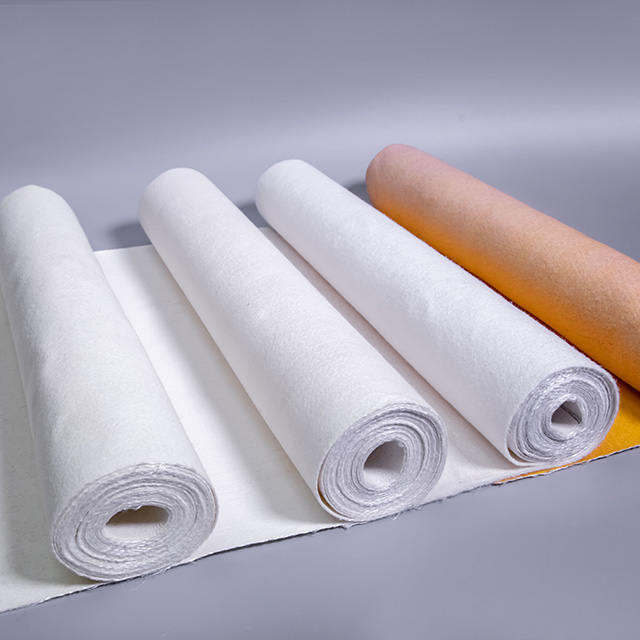
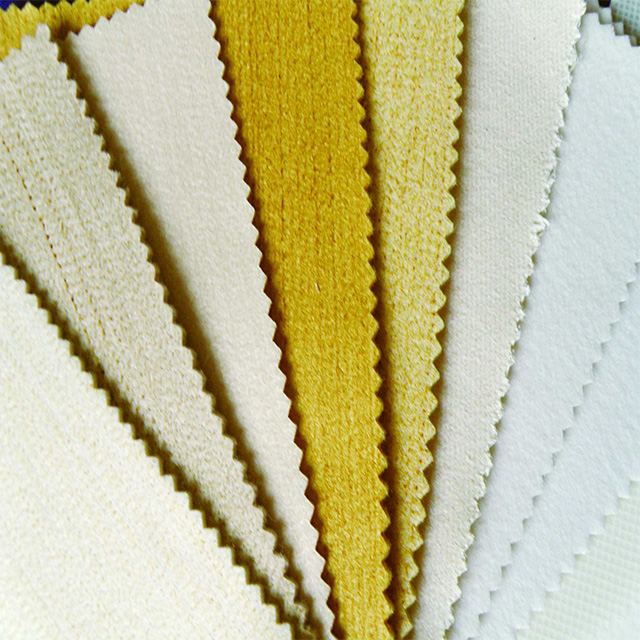
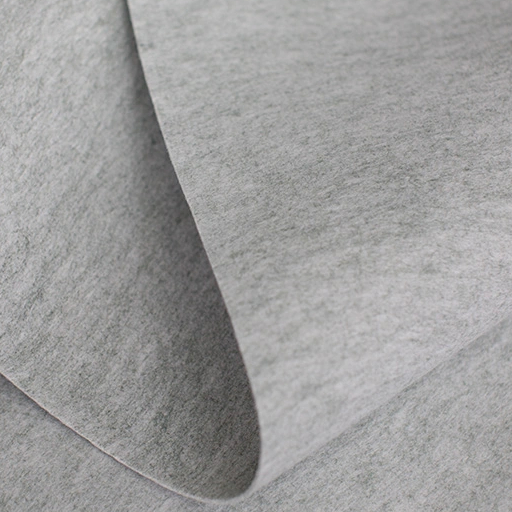
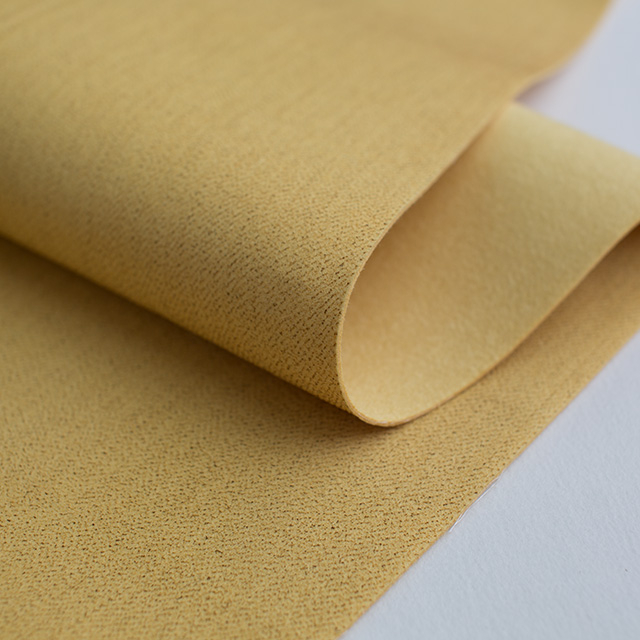
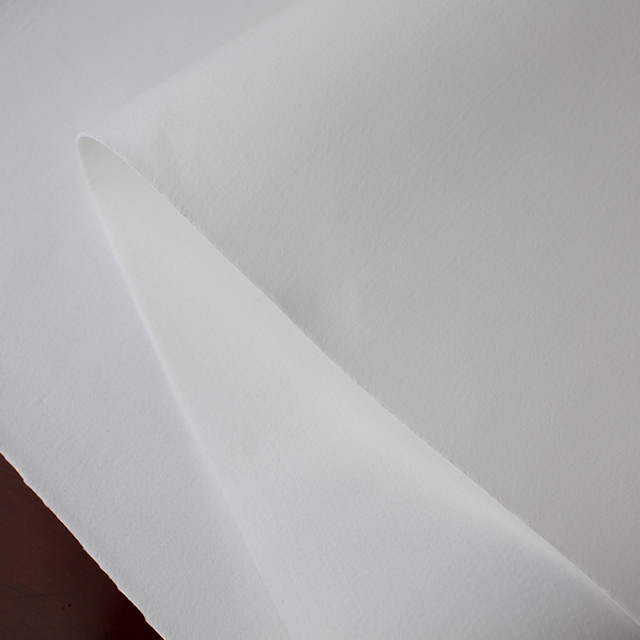
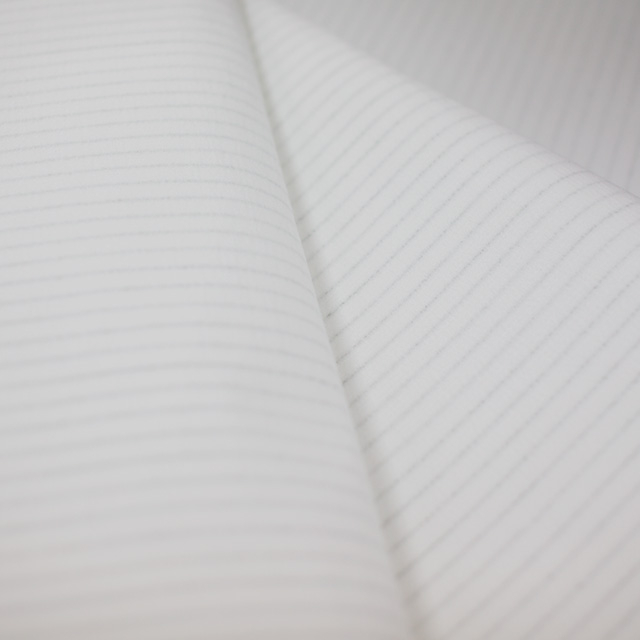
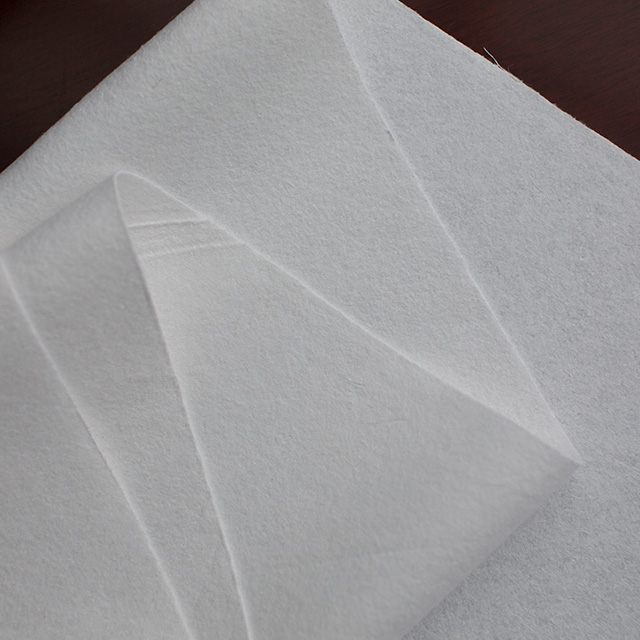
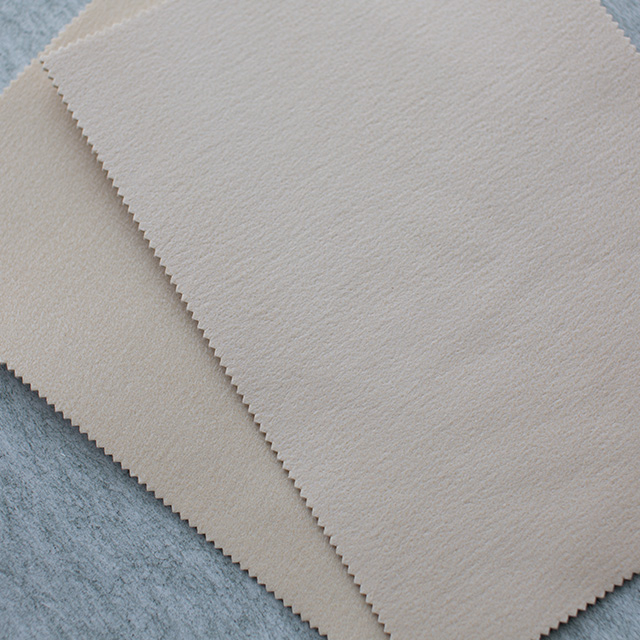
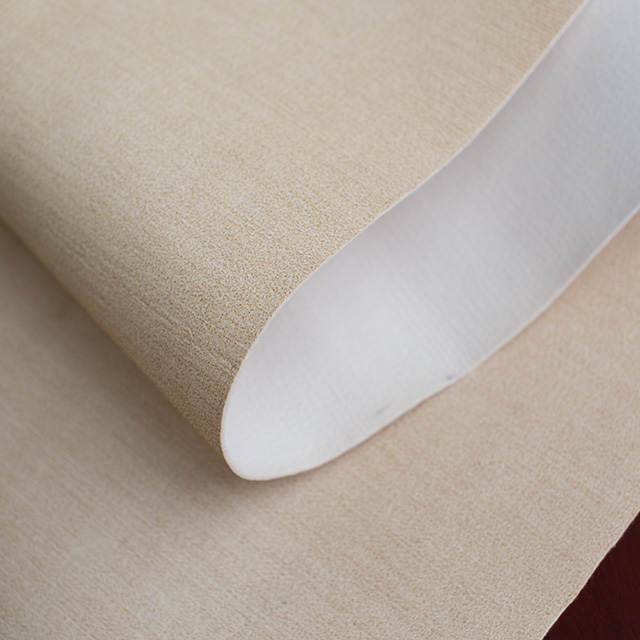
Polyester needle felt is a type of nonwoven fabric made from high-strength polyester fibers that are mechanically bonded together through a needle-punching process. This results in a durable and stable material with a three-dimensional structure, making it ideal for filtration applications. Known for its excellent mechanical strength, dimensional stability, and chemical resistance, polyester needle felt is widely used in various industries such as cement, steel, and chemical manufacturing for dust collection and air purification systems. One of the most important factors in assessing its suitability for these applications is its abrasion resistance. The question arises: Is polyester needle felt resistant to abrasion, and how does it perform in environments subject to continuous wear and tear?
Abrasion resistance refers to a material's ability to withstand mechanical wear and surface degradation due to friction, rubbing, or contact with rough surfaces. This property is particularly important for materials used in harsh environments, such as industrial filtration systems, where continuous exposure to particulate matter can lead to significant wear. Testing abrasion resistance typically involves measuring the material's wear loss under standardized conditions, such as the Taber Abraser Test or DIN 53863. These methods simulate real-world wear and determine how well a material can maintain its integrity over time.
Polyester fibers, which form the core of polyester needle felt, offer several benefits that enhance its abrasion resistance. First, polyester is known for its high tensile strength, meaning it can endure substantial stress without breaking. This makes polyester needle felt durable in environments with high mechanical stress or abrasive particulate matter. Additionally, polyester’s dimensional stability ensures that the needle felt retains its structure even under extreme operating conditions, which is critical for maintaining consistent filtration efficiency. Finally, polyester fibers exhibit excellent chemical resistance, which allows the material to withstand exposure to various chemicals and environmental factors without compromising its integrity, further contributing to its overall abrasion resistance. Together, these properties make polyester needle felt a reliable choice for industrial filtration systems that require both durability and longevity.
The abrasion resistance of polyester needle felt is tested using standardized methods that simulate the real-world conditions it will face in industrial applications. One of the most common tests is the Taber Abraser Test, which measures how much material is worn away after a set number of rotations against an abrasive wheel. The weight loss or change in the surface of the material is used to evaluate its resistance to abrasion. Another testing method is DIN 53863, which involves exposing the fabric to continuous rubbing and measuring the amount of wear over time. These tests help to quantify how well polyester needle felt holds up under constant friction, providing a benchmark for performance in industrial environments.
Polyester needle felt performs well in various industrial settings where abrasion resistance is critical. In cement factories, for example, the material is used in dust collection systems to capture fine particulate matter from kilns, grinders, and other equipment. Given the heavy dust load and the abrasive nature of cement production, polyester needle felt is selected for its ability to withstand continuous exposure to abrasive particles without significant degradation. Similarly, in steel mills, where high temperatures and abrasive dust particles are common, polyester needle felt helps maintain efficient air filtration while enduring wear and tear from constant friction and exposure to harsh conditions. The fabric's high tensile strength and stability allow it to withstand the physical stresses of these environments, maintaining its performance over extended periods of use. In both these industries, polyester needle felt provides an effective filtration solution that balances abrasion resistance with long-term durability, ensuring optimal operational efficiency while minimizing the need for frequent replacements.
To better understand the abrasion resistance of polyester needle felt, it is helpful to compare it with other commonly used filter materials, such as fiberglass and polyamide (nylon). Each material offers distinct advantages based on its properties, including abrasion resistance, service life, and heat tolerance. Below is a comparison table:
Material Type | Abrasion Resistance | Service Life | Heat Resistance |
Polyester Needle Felt | Good | Medium | Suitable for medium-low temperatures |
Fiberglass Needle Felt | Excellent | Long | High temperature resistance |
Polyamide (Nylon) Needle Felt | Average | Short | Poor high-temperature tolerance |
· Polyester Needle Felt offers good abrasion resistance, making it suitable for many industrial applications. Its service life is typically medium and it performs well in medium-low temperature environments.
· Fiberglass Needle Felt excels in abrasion resistance, which contributes to its longer service life and ability to withstand high temperatures, making it ideal for applications requiring extreme durability and heat resistance.
· Polyamide (Nylon) Needle Felt has average abrasion resistance and a shorter service life compared to polyester and fiberglass. It also struggles with poor high-temperature tolerance, making it less suitable for high-heat environments.
This comparison highlights that while polyester needle felt performs well in terms of abrasion resistance, fiberglass needle felt outperforms it in both durability and heat resistance. However, polyester needle felt remains an excellent choice for environments with moderate wear and lower temperature demands.
The service life of polyester needle felt is influenced by several key factors that can either enhance or reduce its durability, especially in terms of abrasion resistance.
· Proper Installation: Ensuring the correct installation of polyester needle felt is critical to its performance. Incorrect tensioning or improper sealing in filtration systems can lead to unnecessary wear and increased friction, reducing the material's lifespan. Proper alignment ensures the filter operates optimally without experiencing premature damage from mechanical stress.
· Regular Cleaning: Polyester needle felt is subject to dust accumulation and buildup of contaminants that can lead to clogging and abrasion. Regular cleaning is essential to maintain airflow, reduce friction, and prevent the buildup of particles that could increase wear on the material. Periodic cleaning, whether through pulse-jet or mechanical methods, ensures that the felt maintains its filtration efficiency and reduces the likelihood of surface degradation.
· Timely Replacement: Even with proper maintenance, the material will eventually wear down due to prolonged exposure to abrasive particles. Timely replacement of worn or damaged sections of the needle felt can prevent failure in filtration efficiency and ensure consistent operation. Monitoring the performance and condition of the fabric through regular inspections can help in identifying when replacement is necessary to avoid costly downtime.
To further enhance the abrasion resistance and overall performance of polyester needle felt, optimizing the design of the entire filter system is essential.
· Reducing Excessive Friction: One of the primary causes of wear in filtration systems is excessive friction between the felt and particles. By optimizing the airflow distribution and ensuring that the filter is operating within its designed parameters, friction can be minimized, thus reducing wear on the polyester needle felt.
· Optimizing Airflow and Dust Loading: Proper system design ensures that the dust load is spread evenly across the filter medium. This reduces localized wear caused by concentrated dust exposure, which can prematurely damage the felt. Ensuring that the air velocity and dust concentration are within the optimal range helps to extend the service life of the material.
· Efficient Pulse Cleaning Systems: Implementing an efficient cleaning system, such as a pulse-jet cleaning mechanism, helps to remove accumulated dust particles without subjecting the felt to abrasive mechanical cleaning methods that could damage the surface. This not only reduces the wear but also maintains the fabric’s permeability and filtration efficiency.
· Using Multi-layer or Coated Fabrics: In high-abrasion environments, using a multi-layer polyester needle felt or a coated version (e.g., with PTFE) can provide additional protection against wear. The outer layer of these materials can be designed specifically to resist abrasions, thus prolonging the life of the inner layers and maintaining optimal performance.
By addressing these factors, the service life of polyester needle felt can be extended, while reducing the frequency of replacements and optimizing the overall efficiency of the filtration system.
Polyester needle felt can typically withstand continuous temperatures up to 130°C, with brief exposure to temperatures as high as 150°C. For higher temperature applications, materials like fiberglass needle felt may be more suitable.
The abrasion resistance of polyester needle felt can be enhanced through surface treatments such as PTFE coating or by using a multi-layer structure. Additionally, optimizing system design, reducing friction, and implementing regular maintenance routines can further extend its lifespan and abrasion resistance.
Polyester needle felts are widely used in industries such as cement production, steel manufacturing, chemical processing, and waste-to-energy plants. They are commonly used in dust collection systems and air filtration applications, where efficient filtration and durability are essential.
While polyester needle felt offers good durability, it generally has a shorter service life compared to fiberglass needle felt, which is known for its superior abrasion resistance and high-temperature tolerance. Fiberglass is more suitable for harsh conditions with high wear and extreme temperatures, while polyester is ideal for medium-low temperature environments.
In conclusion, while polyester needle felt may not offer the same level of abrasion resistance as fiberglass, it still performs effectively under appropriate working conditions. Its balance of durability, tensile strength, and chemical resistance makes it an excellent choice for applications in medium-low temperature environments, where moderate wear and tear are expected. With proper installation, regular maintenance, and timely replacement, polyester needle felt can provide reliable filtration performance, making it a cost-effective and efficient option for many industrial filtration systems. Though it may not be the best choice for extreme conditions, its advantages in less demanding environments ensure its continued popularity and success in industrial applications.