Views: 0 Author: Site Editor Publish Time: 2026-04-07 Origin: Site


PTFE (Polytetrafluoroethylene) needle felt is widely used in industrial filtration due to its unique properties. One of the most significant advantages of PTFE needle felt is its low friction surface. This low friction plays a crucial role in enhancing filtration performance, ensuring that the material functions efficiently while requiring minimal maintenance. But how exactly does PTFE’s low friction affect its performance in filtration systems? In this article, we will delve into this question and explore how low friction contributes to PTFE needle felt's effectiveness, especially in demanding industrial environments.
One of the key advantages of PTFE needle felt is its low surface friction. This property makes the material resistant to particle adhesion, meaning that dust, particulate matter, and other contaminants have a harder time sticking to the filter surface. When particles don't adhere, it leads to fewer blockages in the filtration system, as well as enhanced airflow and higher efficiency in filtration. This is particularly important in environments with a high volume of airborne dust or particles, such as cement factories or steel mills, where PTFE needle felt’s resistance to adhesion ensures long-lasting performance and reliability.
The low friction of PTFE also plays a vital role in improving cleaning efficiency. As PTFE needle felt resists dust buildup, it becomes easier for cleaning systems, such as pulse-jet cleaning, to dislodge any particles that may accumulate. The non-stick surface reduces the amount of effort required during cleaning processes, reducing the frequency and intensity of cleaning. This self-cleaning ability minimizes the operational downtime of filtration systems, keeping them running smoothly for longer periods without requiring manual intervention. Additionally, less frequent cleaning means reduced maintenance costs for businesses that rely on filtration systems.
Airflow is essential in any filtration system, as it directly affects the filtration efficiency. PTFE needle felt’s low friction contributes to maintaining optimal airflow through the filter, even as dust and particulate matter accumulate. Because the particles do not stick to the filter surface as easily, the PTFE material maintains its permeability over time. This ensures that the filtration system can handle higher volumes of air and particulate matter without losing efficiency. The result is an improved filtration performance, especially in high-demand environments where maintaining consistent airflow is critical.
One of the most notable characteristics of PTFE needle felt is its ability to withstand high temperatures. PTFE can function in environments with continuous temperatures up to 260°C (500°F) and can handle intermittent peaks of even higher temperatures. The low friction properties of PTFE needle felt contribute to its thermal stability, allowing the material to maintain its integrity and efficiency under extreme heat conditions. This makes it ideal for applications in high-temperature industries such as cement manufacturing, steel production, and waste incineration, where filters must endure high-temperature exhaust gases.
PTFE is known for its exceptional chemical resistance, and this extends to PTFE needle felt. The low friction of the material allows it to withstand exposure to aggressive chemicals and corrosive substances without degrading over time. Whether it's exposure to acidic gases, solvents, or other hazardous materials, PTFE needle felt remains highly resistant to chemical corrosion. This feature ensures that filtration systems in chemical processing plants or industries dealing with aggressive fumes maintain consistent performance over long periods. In these environments, PTFE’s ability to resist chemical degradation while maintaining low friction properties is key to ensuring reliable filtration performance.
Low friction also plays a critical role in enhancing the abrasion resistance of PTFE needle felt. The material’s smooth surface ensures that it is less susceptible to wear and tear caused by constant friction with particles or abrasive substances. In environments with high dust loads or rough particulate matter, this characteristic reduces the likelihood of surface degradation. As a result, PTFE needle felt provides a longer service life, making it more cost-effective in the long run compared to materials that wear down quickly under abrasive conditions. This durability is particularly valuable in industries like mining, cement production, and steel manufacturing, where the filtration media is exposed to harsh, abrasive environments.
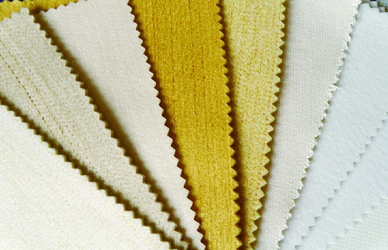
When comparing PTFE needle felt with polyester filters, one of the most significant differences is friction. Polyester filters, while cost-effective, tend to have higher surface friction, which increases the likelihood of particles sticking to the filter surface. This leads to a higher rate of clogging and more frequent cleaning. In contrast, PTFE needle felt's low friction means less particle buildup, leading to longer intervals between cleaning and higher filtration efficiency. While polyester filters are suitable for less demanding applications, PTFE needle felt offers superior performance in extreme filtration conditions.
Property | PTFE Needle Felt | Polyester Filters |
Friction | Low friction, resists particle adhesion | Higher friction, more particles stick |
Temperature Resistance | Up to 260°C | Up to 150°C |
Chemical Resistance | Excellent resistance to chemicals | Moderate chemical resistance |
Filtration Efficiency | High efficiency in extreme conditions | Moderate efficiency, can clog faster |
Maintenance | Low maintenance, self-cleaning properties | Requires more frequent cleaning |
Another common comparison is between PTFE needle felt and fiberglass filters. While fiberglass filters are well-known for their high temperature tolerance and excellent filtration efficiency, PTFE needle felt outperforms fiberglass in terms of chemical resistance and abrasion resistance. Additionally, PTFE's low friction gives it an edge in maintaining optimal airflow even under challenging conditions. However, fiberglass filters tend to be more cost-effective in less demanding environments, though their fragility and higher maintenance needs often require more frequent replacement and cleaning.
Thanks to PTFE needle felt’s self-cleaning properties and non-stick surface, it requires significantly less frequent maintenance compared to other filter materials. The low friction surface helps prevent dust and particles from accumulating on the filter, which reduces the need for manual cleaning. As a result, regular cleaning intervals can be extended, reducing the frequency of costly downtime. This leads to lower operational costs, as the filtration system operates efficiently for longer periods without requiring intensive upkeep. The reduced maintenance also minimizes labor costs, making PTFE needle felt an excellent choice for businesses seeking efficient and cost-effective filtration solutions.
PTFE needle felt is known for its abrasion resistance and chemical stability, which contribute to a longer lifespan compared to many other filter materials. The low friction properties further enhance its durability by reducing wear and tear, even in high-demand environments with constant exposure to harsh chemicals, high temperatures, or abrasive particles. As a result, PTFE needle felt can withstand continuous use without significant degradation, reducing the need for frequent replacements. This longer filter lifespan makes PTFE needle felt a more cost-effective option over time, as it requires fewer replacements and lower maintenance costs, ultimately providing better value in the long term for industrial filtration systems.
The low friction of PTFE reduces the buildup of particles on the filter surface, minimizing wear and tear. This leads to a longer lifespan as the material maintains its structural integrity for a more extended period. As particles are less likely to stick, the filter does not undergo excessive degradation, reducing the frequency of replacements and maintenance costs.
Yes, PTFE needle felt is highly versatile and can perform effectively in both high-temperature and low-temperature environments. Its temperature resistance allows it to function in extreme conditions, withstanding continuous temperatures up to 260°C and intermittent peaks even higher. This makes PTFE needle felt ideal for industries requiring a robust material that can maintain filtration performance under varying temperature ranges.
No, PTFE needle felt requires less frequent cleaning compared to other filter materials. Its non-stick surface and low friction prevent excessive buildup of dust and particles, allowing the material to maintain its filtration efficiency for longer periods. This makes it easier to maintain, resulting in less downtime and reduced operational costs compared to filters that need regular cleaning and maintenance.
Industries such as cement production, steel manufacturing, chemical processing, and waste-to-energy benefit significantly from PTFE needle felt. Its low friction ensures efficient filtration in environments with high dust loads, aggressive chemicals, and extreme temperatures, making it ideal for harsh filtration conditions. The material's durability and ease of maintenance make it an essential component in these demanding applications, ensuring long-lasting performance and reliable filtration.
 Conclusion
PTFE needle felt’s low friction is a crucial factor in enhancing its filtration performance. It prevents particle adhesion, reduces cleaning requirements, and helps maintain airflow, leading to higher filtration efficiency. Combined with its high-temperature resistance, chemical resistance, and abrasion resistance, PTFE needle felt is an ideal material for extreme filtration conditions. Whether it’s used in high-temperature applications or environments with aggressive chemicals, PTFE needle felt’s low friction properties ensure reliable and long-lasting filtration, reducing maintenance costs and downtime.