Views: 0 Author: Site Editor Publish Time: 2026-01-12 Origin: Site


PTFE (Teflon) needle felt is a high-performance filtration material widely used in various industrial applications, particularly in environments that require superior resistance to heat, chemicals, and wear. It is made from polytetrafluoroethylene (PTFE) fibers that are woven or needled together to create a durable fabric capable of handling some of the most demanding filtration conditions. PTFE needle felt is commonly used in industries such as cement, power generation, and chemical processing, where its ability to maintain filtration efficiency under extreme conditions is crucial. One of the most significant characteristics of PTFE needle felt is its exceptional temperature resistance. This raises the key question: What is the temperature tolerance of PTFE needle felt? Understanding this property is vital for selecting the right filtration material for high-temperature industrial applications.
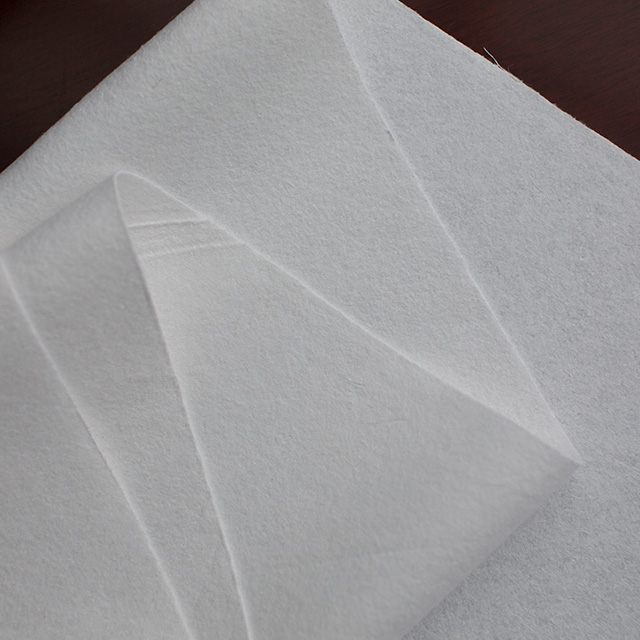
PTFE needle felt is a high-performance material crafted from polytetrafluoroethylene (PTFE) fibers. These fibers are needled together to form a dense, durable fabric that is specifically designed for use in demanding industrial filtration applications. PTFE needle felt is known for its exceptional resistance to heat, chemicals, and mechanical wear, making it ideal for environments where other materials may fail.
High-Temperature Resistance: PTFE needle felt can withstand temperatures up to 260°C (500°F) continuously and up to 300°C (572°F) in short bursts. This makes it perfect for high-heat industrial applications, such as in cement plants, power generation, and chemical processing.
Chemical Inertness: PTFE’s chemical resistance is one of its key advantages. It is virtually inert to acids, bases, and solvents, making PTFE needle felt ideal for environments where harsh chemicals are present, such as chemical manufacturing and petrochemical industries.
Low Friction: The low friction properties of PTFE needle felt reduce wear and tear on machinery and increase the overall efficiency of the filtration process. This results in a longer lifespan for the filter media and lower maintenance costs.
Durability: PTFE needle felt is highly durable and resistant to physical damage, including abrasion. It can handle high dust loads and maintain filtration efficiency in challenging conditions without significant degradation.
Ease of Cleaning: The non-stick properties of PTFE make cleaning easier and more efficient. The material resists the accumulation of dust and particles, reducing the frequency of cleaning and extending the service life of the filters.
Due to its superior performance characteristics, PTFE needle felt is widely used across several industries:
Industrial Filtration: PTFE needle felt is particularly effective in dust collection systems used in environments with high dust or fume exposure, such as cement plants, power stations, and steel mills.
Chemical Processing: Its chemical resistance makes it a reliable choice for filtering in chemical plants and refineries, where exposure to corrosive substances is common.
Aerospace & Automotive: PTFE needle felt is also used in aircraft filtration systems and automotive emission controls due to its resistance to high heat and wear.
PTFE needle felt is renowned for its exceptional temperature resistance, making it an ideal material for industrial filtration applications that involve high-temperature environments.
PTFE needle felt can withstand temperatures up to 260°C (500°F) continuously without degrading, which makes it suitable for extended use in high-heat applications. For short bursts, it can tolerate temperatures up to 300°C (572°F), providing flexibility in environments where temperature spikes occur intermittently. This high temperature tolerance ensures that PTFE needle felt maintains its integrity and performance, even in the most demanding industrial environments.
The high temperature resistance of PTFE needle felt is largely due to the molecular structure of polytetrafluoroethylene (PTFE). PTFE consists of a carbon backbone with fluorine atoms bonded to the carbon chain. This unique structure results in a highly stable polymer that is resistant to thermal degradation. The fluorine atoms form a protective shield around the carbon atoms, preventing the polymer from breaking down when exposed to extreme temperatures.
Additionally, PTFE has a high melting point of approximately 327°C (621°F), further supporting its ability to maintain its shape and properties under heat stress. This heat stability is maintained even when PTFE is processed into needle felt form, allowing it to retain its superior heat resistance in filtration systems.
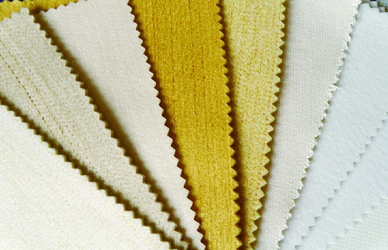
PTFE needle felt is a high-performance filtration material widely used in industries with high-temperature operations. Its exceptional heat resistance, chemical stability, and durability make it essential for effective filtration in challenging environments.
Cement Plants
In cement manufacturing, where high temperatures and corrosive dust are common, PTFE needle felt is used in baghouse filters to capture particulate matter. Its ability to withstand temperatures up to 260°C (500°F) ensures reliable performance in extreme conditions.
Power Plants
PTFE needle felt is used in electrostatic precipitators and fabric filters in power plants to capture fine particulates and pollutants, even in high-heat environments with temperatures up to 300°C (572°F). Its resistance to sulfur compounds and fly ash makes it ideal for power generation applications.
Chemical Processing
In chemical plants, PTFE needle felt handles both high heat and aggressive chemicals. It is used for gas filtration and dust collection, maintaining performance in environments where other materials would degrade due to heat and chemical exposure.
High-Temperature Stability:
PTFE’s high melting point (~327°C or 621°F) allows it to handle 260°C (500°F) continuously and 300°C (572°F) in short bursts, maintaining integrity even under fluctuating high-heat conditions.
Chemical Resistance:
PTFE’s chemical inertness makes it highly resistant to acids, bases, and solvents, ensuring it performs well in chemically aggressive environments like power plants and chemical processing.
Durability:
PTFE needle felt is durable and resistant to abrasion, reducing maintenance and extending service life. Its non-stick properties prevent the accumulation of dust, minimizing cleaning frequency.
Efficient Filtration:
PTFE needle felt can handle high dust loads and maintain consistent filtration efficiency, making it suitable for industries where heavy filtration demands exist, such as cement and power generation.
standards. The material’s stability and robustness allow it to continue performing effectively, even under heavy filtration demands.
PTFE needle felt offers exceptional performance in high-temperature environments, making it a preferred choice for industries requiring durability, chemical resistance, and low maintenance.
Durability
PTFE needle felt is highly durable, handling high dust loads and harsh conditions without degrading, reducing replacement frequency and maintaining long-term efficiency.
Chemical Resistance
Its excellent resistance to acids, bases, and solvents makes PTFE needle felt ideal for environments where other materials would fail, such as in chemical processing and petrochemical industries.
Low Maintenance
The non-stick properties of PTFE prevent dust buildup, reducing cleaning needs and lowering maintenance costs, ensuring consistent performance even in extreme temperatures.
High Temperature Resistance
PTFE needle felt can withstand continuous temperatures up to 260°C (500°F) and 300°C (572°F) in short bursts, making it perfect for power plants and cement plants.
PTFE vs. Fiberglass
PTFE offers better chemical resistance and longer lifespan than fiberglass, which can degrade under harsh chemical exposure.
PTFE vs. Polyester
While polyester degrades above 150°C (302°F), PTFE resists high temperatures up to 300°C (572°F), making it more suitable for extreme conditions.
PTFE vs. Aramid (Nomex)
PTFE outperforms aramid fibers in chemical resistance and durability, making it a more reliable choice for harsh industrial environments.
PTFE needle felt’s polymer structure remains stable at high temperatures, preventing degradation even under continuous exposure to heat, which ensures long-lasting performance.
Yes, PTFE needle felt can handle thermal cycling (fluctuating temperatures), maintaining its integrity and filtering performance even when exposed to rapid temperature changes.
Yes, PTFE needle felt offers superior heat resistance compared to many other filtration materials like fiberglass or polyester, making it ideal for extreme high-temperature environments.
While PTFE needle felt can handle temperatures up to 300°C in short bursts, it is not suitable for sustained exposure above this temperature, as prolonged heat may start to degrade its properties.
PTFE needle felt's key feature is its exceptional heat resistance, allowing it to withstand continuous temperatures up to 260°C (500°F) and short bursts up to 300°C (572°F). This remarkable ability makes it an indispensable material in industrial filtration systems that operate in extreme temperatures, such as those in cement plants, power generation, and chemical processing. Its durability, chemical resistance, and low maintenance in harsh conditions further solidify its importance, ensuring reliable performance and long-term efficiency in environments where other materials may fail. PTFE needle felt’s superior heat resistance is what makes it a top choice for industries that require high-performance filtration under demanding conditions.