Views: 0 Author: Site Editor Publish Time: 2026-01-09 Origin: Site


Polytetrafluoroethylene (PTFE) is a high-performance synthetic polymer known for its remarkable resistance to heat, chemicals, and electrical conductivity. It is widely used in industries ranging from manufacturing to electronics due to its exceptional properties. Teflon, on the other hand, is a trademarked brand name created by DuPont, originally for a variety of products made from PTFE, especially in consumer goods like non-stick cookware. Although often used interchangeably, the terms "PTFE" and "Teflon" refer to different things. This raises a common question: Are PTFE and Teflon the same substance, or is there more to the story than meets the eye? In this article, we will explore the relationship between these two terms and clarify the distinctions that set them apart.
Polytetrafluoroethylene (PTFE) is a synthetic polymer made up of carbon and fluorine atoms. The polymer’s structure features a carbon backbone, with fluorine atoms attached to each carbon atom, creating a highly stable material with exceptional properties.
High Temperature Resistance: PTFE can withstand continuous temperatures up to 260°C (500°F) and short-term exposures up to 300°C (572°F), making it ideal for high-heat environments.
Chemical Corrosion Resistance: PTFE is highly resistant to almost all chemicals, including acids, solvents, and oils, which makes it valuable in harsh chemical environments like those in the pharmaceutical and chemical industries.
Low Friction: Known for its extremely low coefficient of friction, PTFE is used in applications requiring smooth, non-stick surfaces, helping reduce wear on mechanical parts like bearings and seals.
Electrical Insulation: PTFE’s excellent dielectric properties make it a top choice for insulating electrical and electronic components, ensuring high performance in a variety of applications.
Non-Stick Properties: PTFE’s resistance to adhesion makes it ideal for non-stick coatings, especially in cookware and industrial machinery, providing easy cleaning and maintenance.
PTFE’s superior properties make it suitable for a wide range of industries:
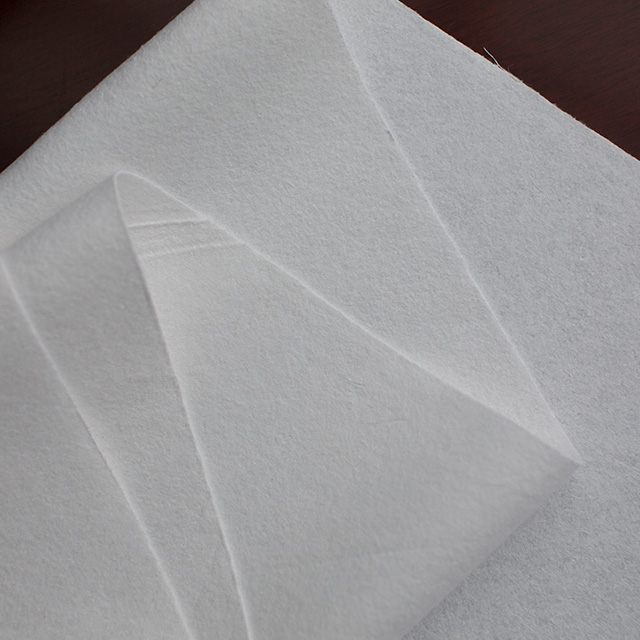
Industrial Filtration: PTFE is used in creating needle felt filters for dust collectors, offering durability in high-temperature, chemically aggressive environments.
Electronics: Its excellent insulation properties make it an ideal material for wiring and cables in electrical devices.
Chemical Processing: PTFE is commonly used in seals, gaskets, and lining due to its resistance to aggressive chemicals.
Aerospace & Automotive: PTFE is utilized in seals, gaskets, and bearings where both temperature resistance and low friction are essential.
The production of PTFE (Polytetrafluoroethylene) involves a complex process that includes polymerization, extrusion, and other techniques to convert raw materials into usable forms for various industrial applications.
The production of PTFE begins with the polymerization of tetrafluoroethylene (TFE), a highly reactive monomer. The polymerization process typically occurs in the presence of a free-radical initiator and under high pressure. This results in the formation of long chains of PTFE polymer. The polymerization process is highly controlled to ensure that the molecular structure of PTFE retains its desirable properties, such as its high thermal and chemical resistance.
Once the polymerization is complete, PTFE is extruded into various shapes, such as rods, sheets, and films. In the extrusion process, PTFE powder is combined with a small amount of lubricant and then heated to a molten state. The mixture is forced through a die to form the desired shape, which is then cooled and solidified. Extrusion allows for the creation of uniform and consistent forms of PTFE, which can then be further processed into products like films, fibers, and tubes.
PTFE can be processed into a variety of forms, each suited for different industrial applications. The most common forms are:
Films: PTFE films are thin sheets of the material that are widely used in applications such as insulation for wires and electrical components, as well as in the food and pharmaceutical industries for packaging and sealing.
Fibers: PTFE fibers are created by spinning PTFE into long, thin strands. These fibers are used to manufacture PTFE needle felt, which is commonly used in industrial filtration applications, where the material’s resistance to high temperatures and chemicals is crucial.
Tubes: PTFE tubes are made through extrusion or a similar process and are often used in applications such as chemical processing, electrical insulation, and fluid handling systems.
One of the key advantages of PTFE is its ability to maintain its high heat resistance and chemical stability throughout the production process. Even when heated during extrusion or other processing techniques, PTFE retains its molecular integrity, which is critical for its performance in extreme conditions. The polymer's high melting point, combined with its stable chemical structure, ensures that the material does not degrade or lose its unique properties, making it suitable for demanding applications in industries like aerospace, electronics, and chemical processing.
Although closely related, PTFE and Teflon are not the same. The primary difference lies in their names and applications.
PTFE (Polytetrafluoroethylene) is the chemical name for a synthetic polymer made of carbon and fluorine atoms. It is known for its high temperature resistance, chemical stability, and low friction.
Teflon is the trademark name owned by DuPont, referring to PTFE and its processed forms. While PTFE is the material, Teflon represents the branded products, especially in consumer goods like non-stick cookware.
DuPont produces a variety of products under the Teflon brand:
Teflon Coatings: Used in cookware, industrial machinery, and textiles for their non-stick and chemical resistance properties.
Teflon Filters: PTFE-based filters used in industrial applications such as dust collectors and air filtration systems. Teflon needle felt filters are commonly used in industries like cement, power plants, and chemical processing.
Teflon Fibers & Films: Used in specialized applications like electronics, aerospace, and medical devices due to their durability and heat resistance.
PTFE is the base material, used in industrial applications such as filtration, chemical processing, and electronics.
Teflon is the brand name for various PTFE-based products, including coatings, films, and textiles, marketed for both industrial and consumer use.
PTFE (Polytetrafluoroethylene) and Teflon are closely related, but not the same. The key difference is in their naming and application.
Teflon is a trademark owned by DuPont. It refers to PTFE-based products commercialized under this brand. While PTFE is the raw material, Teflon is used to market various products made from it, such as non-stick cookware and industrial coatings.
PTFE in Industry: PTFE is used in industrial filtration, seals, electrical insulation, and chemical processing for its heat and chemical resistance.
Teflon in Consumer and Industry: Teflon is primarily known for consumer goods like non-stick cookware but is also used in industrial filters and coatings, such as Teflon needle felt in sectors like oil, gas, and chemicals.
PTFE is the chemical name for Polytetrafluoroethylene, a high-performance polymer known for its durability and heat resistance. Teflon, on the other hand, is a trademarked name owned by DuPont, often used to refer to processed PTFE products, especially in consumer goods like non-stick cookware, but also in industrial applications.
Teflon is a brand name and is more commonly recognized because it is used in consumer products, such as non-stick cookware, clothing, and appliances. PTFE, being a technical material, is mostly used in industrial applications, which is why it is less well-known outside of specialized industries.
PTFE is widely used in industrial filtration (such as needle felt filters), sealing components, gaskets, cables, and electrical products. Its resistance to high temperatures, chemical corrosion, and low friction make it an ideal choice for demanding industrial environments, including chemical processing, aerospace, and electronics.
Teflon typically refers to processed forms of PTFE, such as coatings, films, or treated materials, and is used in both industrial and consumer applications. While Teflon is essentially a branded version of PTFE, it cannot fully replace PTFE in industrial applications that require the raw material’s specific properties, such as in seals and gaskets where unprocessed PTFE is essential for performance.
In conclusion, PTFE and Teflon are closely related but not exactly the same. PTFE, or Polytetrafluoroethylene, is the raw material—a high-performance polymer known for its exceptional properties such as high heat resistance, chemical stability, and low friction. It is widely used in industrial applications like filtration systems, seals, gaskets, and electrical insulation, where its durability and resistance to harsh environments are crucial. On the other hand, Teflon is the trademarked brand name owned by DuPont, used to market various PTFE-based products, especially in consumer markets. Teflon is most commonly associated with non-stick cookware but also extends to industrial uses such as Teflon coatings and needle felt filters for high-temperature environments. While PTFE excels in demanding industrial settings, Teflon has helped make this material accessible and widely recognized in everyday products. Both PTFE and Teflon offer distinct advantages—PTFE serves critical industrial needs, while Teflon brings the high-performance properties of PTFE to consumer goods.